
4.1.1 Meaning of Swalah
Swalah is the Arabic term for the prescribed Islamic prayer performed by Muslims at specific times of the day and night.
It is one of the five pillars of Islam and an important act of worship through which Muslims communicate with Allah (S.W.T.), express gratitude and seek His guidance and forgiveness.
Swalah involves specific physical movements, recitations and supplications performed according to the teachings of Prophet Muhammad (S.A.W.).
Muslims are required to perform five obligatory prayers every day.
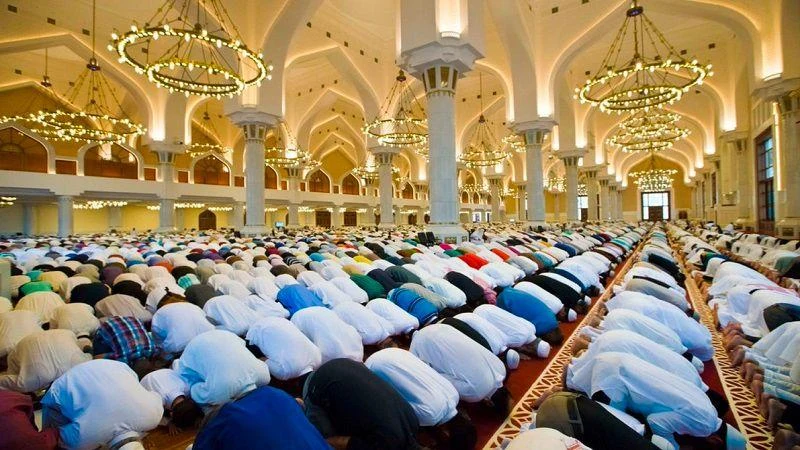
Figure 1: Illustration supporting 4.1.1 Meaning of Swalah.
4.1.2 The Five Obligatory Daily Prayers
The five obligatory prayers are:
- Fajr.
- Dhuhr.
- Asr.
- Maghrib.
- Isha.
Each prayer has a prescribed time and number of obligatory units called Rak'ahs.
A Rak'ah is one complete unit of Islamic prayer consisting of standing, bowing and prostration, among other prescribed actions.
The Five Daily Prayers
|
Prayer |
Time of performance |
Obligatory Rak'ahs |
|---|---|---|
|
Fajr |
From dawn until sunrise |
2 |
|
Dhuhr |
After the sun passes its highest point |
4 |
|
Asr |
Afternoon |
4 |
|
Maghrib |
Immediately after sunset |
3 |
|
Isha |
Night |
4 |
|
Total |
17 |
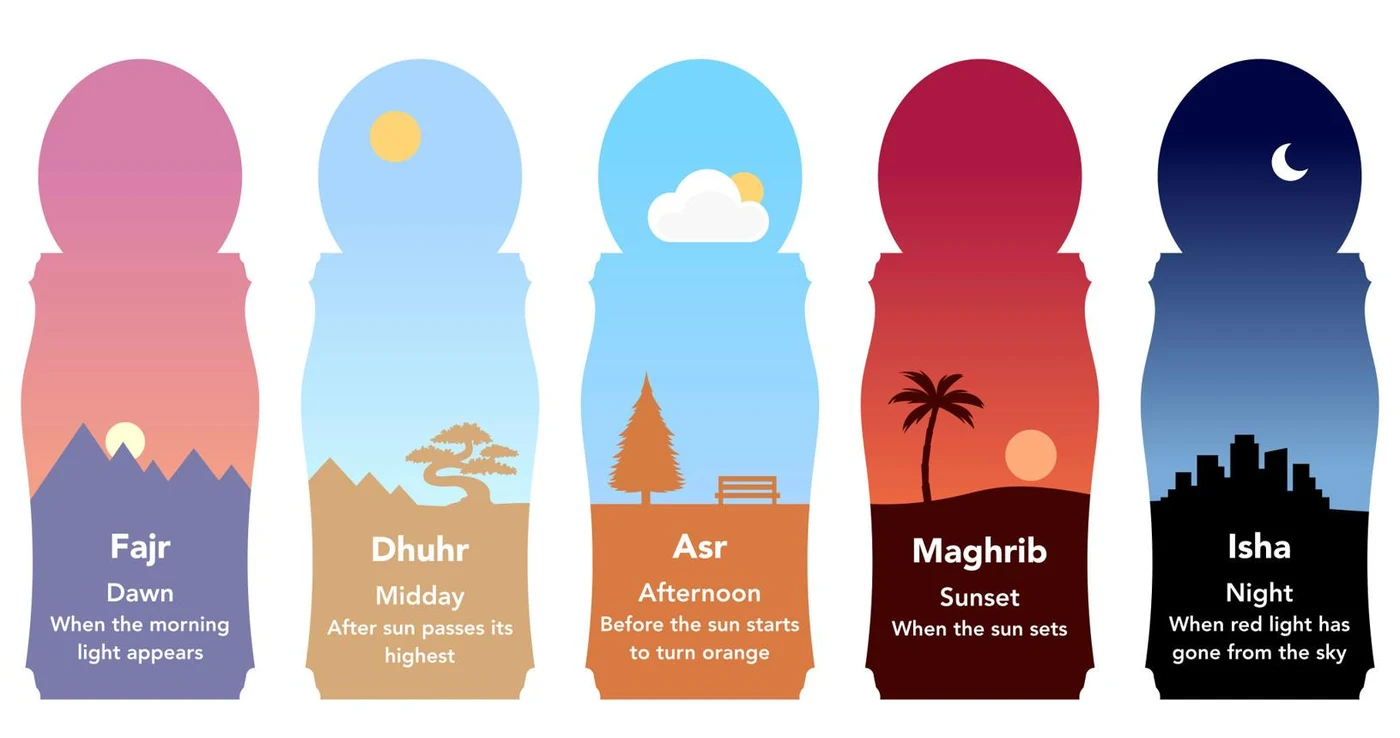
Figure 2: Illustration supporting 4.1.2 The Five Obligatory Daily Prayers.
4.1.3 Importance of Swalah in Islam
Swalah has several spiritual, moral and social benefits.
1. Strengthens the Relationship Between a Muslim and Allah
Swalah allows Muslims to communicate with Allah through recitation, supplication and worship.
It reminds Muslims of their dependence on Allah.
2. Demonstrates Obedience to Allah
Muslims perform Swalah because Allah has commanded them to establish prayer.
3. Promotes Discipline
The five daily prayers encourage Muslims to organise their daily activities around specific prayer times.
4. Promotes Cleanliness
Before performing Swalah, Muslims are generally required to perform Wudhu (ablution), which involves washing particular parts of the body.
This promotes cleanliness and personal hygiene.
5. Encourages Good Behaviour
Swalah reminds Muslims to avoid wrongdoing and maintain good moral conduct.
6. Strengthens Unity
Congregational prayers bring Muslims together regardless of their social, economic or ethnic backgrounds.
7. Provides Spiritual Peace
Prayer gives Muslims an opportunity to seek Allah's assistance, guidance and forgiveness.
8. Reminds Muslims About Accountability
Swalah reminds Muslims that they are accountable to Allah for their actions.
9. Encourages Humility
The movements of Swalah, particularly prostration, demonstrate submission and humility before Allah.
10. Strengthens Faith
Regular prayer helps Muslims maintain their religious commitment and spiritual awareness.
4.1.4 Meaning of Congregational Prayer (Swalatul Jama'ah)
Congregational prayer, also known as Swalatul Jama'ah, is the performance of Swalah by two or more Muslims praying together under the leadership of an Imam.
The Imam leads the prayer while the other worshippers follow him.
The people following the Imam are called Ma'mum or followers.
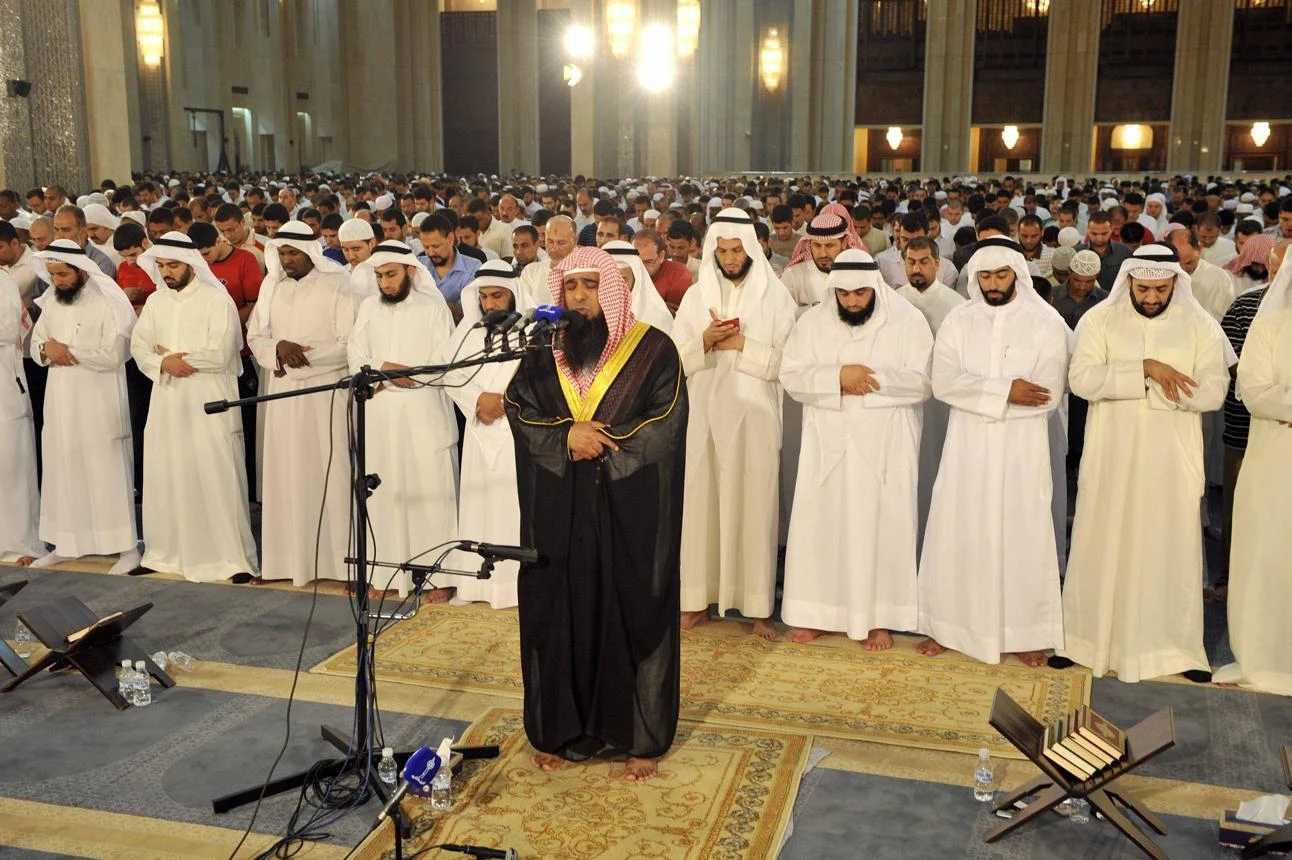
Figure 3: Illustration supporting 4.1.4 Meaning of Congregational Prayer (Swalatul Jama'ah).
4.1.5 How Congregational Prayer Is Performed
The following are the general steps involved in performing congregational prayer.
1. Preparation for Prayer
The worshippers prepare by:
- Performing Wudhu where required.
- Wearing clean and appropriate clothing.
- Ensuring that the prayer area is clean.
- Facing the Qiblah.
- Forming straight rows.
2. Appointment of an Imam
One qualified person leads the prayer.
The Imam should possess the necessary knowledge and ability to lead the congregation.
3. Formation of Rows
The worshippers stand in organised and straight rows behind the Imam.
They should avoid leaving unnecessary gaps between themselves.
4. Making the Intention
Each worshipper makes the intention to perform the particular prayer for the sake of Allah.
5. Beginning the Prayer
The Imam begins the prayer by saying Allahu Akbar, meaning Allah is the Greatest.
The worshippers follow the Imam.
6. Following the Imam's Movements
The congregation follows the Imam through the prescribed movements, including:
- Qiyam (standing).
- Ruku (bowing).
- Sujud (prostration).
- Jalsah (sitting).
7. Completing the Prayer
The prayer is completed with the prescribed sitting and concluding Taslim, which includes turning the head to the right and left while saying the greetings of peace.
4.1.6 Roles and Responsibilities During Congregational Prayer
A. Responsibilities of the Imam
- Lead the congregation correctly.
- Observe the prescribed movements of prayer.
- Recite the appropriate passages.
- Maintain order during prayer.
- Ensure that the prayer is performed according to Islamic teachings.
- Consider the needs of the congregation.
B. Responsibilities of the Ma'mum
- Follow the Imam.
- Stand in straight rows.
- Avoid moving ahead of the Imam.
- Maintain concentration.
- Observe the prescribed movements.
- Avoid unnecessary talking or distractions.
4.1.7 Importance of Congregational Prayer
- Promotes unity among Muslims.
- Encourages equality.
- Strengthens brotherhood and sisterhood.
- Encourages discipline.
- Provides opportunities for social interaction.
- Promotes collective worship.
- Encourages Muslims to support one another.
- Helps Muslims learn correct prayer practices.
- Strengthens the Muslim community.
- Encourages regular attendance at the mosque.
4.1.8 Meaning of Sunnah Prayers
Sunnah prayers are voluntary prayers performed in addition to the obligatory five daily prayers, following the example and teachings of Prophet Muhammad (S.A.W.).
They provide additional opportunities for Muslims to worship Allah and earn spiritual rewards.
The Grade 7 curriculum specifically identifies three Sunnah prayers:
- Tahajjud.
- Tahiyatul Masjid.
- Dhuha.
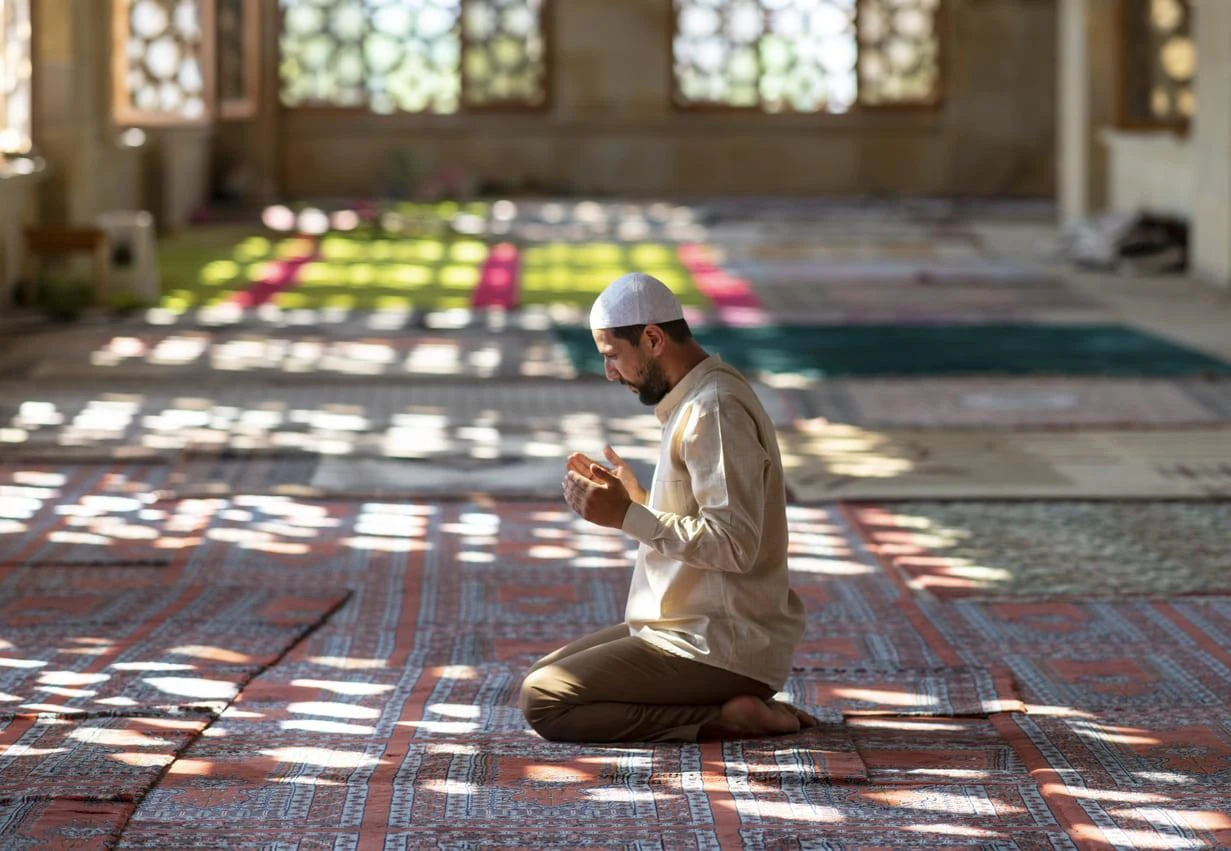
Figure 4: Illustration supporting 4.1.8 Meaning of Sunnah Prayers.
4.1.9 Tahajjud Prayer
Tahajjud is a voluntary night prayer performed after waking up from sleep during the night, before the Fajr prayer.
It is among the important voluntary acts of worship encouraged in Islam.
Muslims perform Tahajjud to seek closeness to Allah, ask for forgiveness and make personal supplications.
Time of performing Tahajjud
- It is performed after the Isha prayer.
- It is performed after sleeping and waking up during the night.
- It is completed before the Fajr prayer.
- The last third of the night is especially recommended.
How Tahajjud Is Performed
- A Muslim wakes up during the night.
- Performs Wudhu if required.
- Finds a clean place for prayer.
- Makes the intention to perform Tahajjud.
- Begins the prayer with Takbir.
- Recites Surah Al-Fatihah and other Qur'anic verses.
- Performs Ruku and Sujud.
- Completes the prayer with Taslim.
- May continue with additional units in pairs.
- Makes Du'a and seeks Allah's forgiveness.
Tahajjud is commonly performed in two-Rak'ah units. There is no single compulsory number of Rak'ahs for this voluntary prayer.
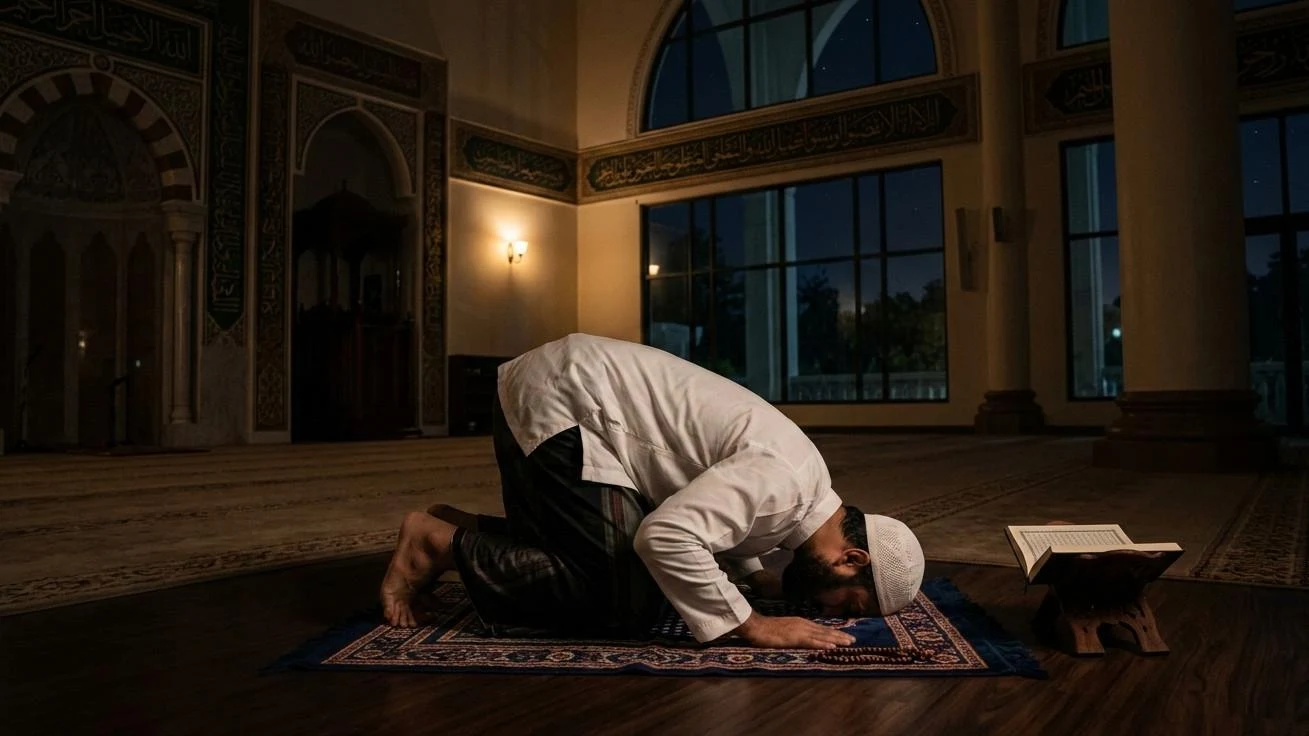
Figure 5: Illustration supporting 4.1.9 Tahajjud Prayer.
Importance of Tahajjud
- Strengthens the relationship with Allah.
- Encourages sincerity in worship.
- Provides an opportunity to seek forgiveness.
- Promotes discipline and patience.
- Encourages reflection.
- Provides an opportunity to make personal supplications.
- Strengthens spiritual commitment.
- Helps Muslims develop self-control.
4.1.10 Tahiyatul Masjid Prayer
Tahiyatul Masjid means the greeting of the mosque.
It is a voluntary prayer performed when a Muslim enters a mosque before sitting down, provided the circumstances allow it.
The prayer is normally two Rak'ahs.
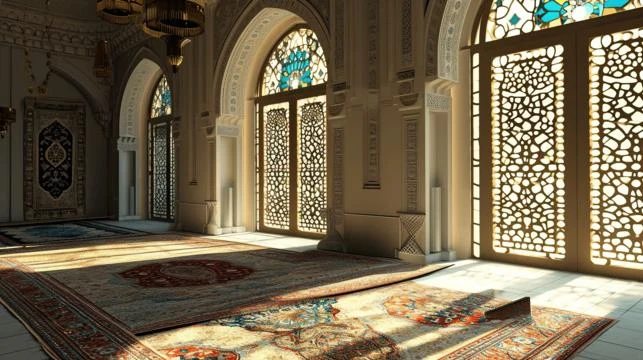
Figure 6: Illustration supporting 4.1.10 Tahiyatul Masjid Prayer.
How Tahiyatul Masjid Is Performed
- A Muslim enters the mosque respectfully.
- Ensures that they are in a state of ritual purity.
- Makes the intention to perform Tahiyatul Masjid.
- Performs two Rak'ahs.
- Recites the prescribed passages.
- Completes the prayer with Taslim.
- May then sit down and engage in other mosque activities.
Important considerations
- It is performed before sitting down.
- It is not obligatory.
- If an obligatory congregational prayer is beginning, the Muslim joins the congregation instead.
- Islamic scholars discuss certain exceptions and circumstances in which it may not be performed.
Importance of Tahiyatul Masjid
- Demonstrates respect for the mosque.
- Encourages worship.
- Strengthens the relationship with Allah.
- Encourages Muslims to maintain regular mosque attendance.
- Promotes remembrance of Allah.
4.1.11 Dhuha Prayer
Dhuha is a voluntary prayer performed during the morning after sunrise when the Sun has risen sufficiently above the horizon and before the time of Dhuhr.
It is also called the forenoon prayer.
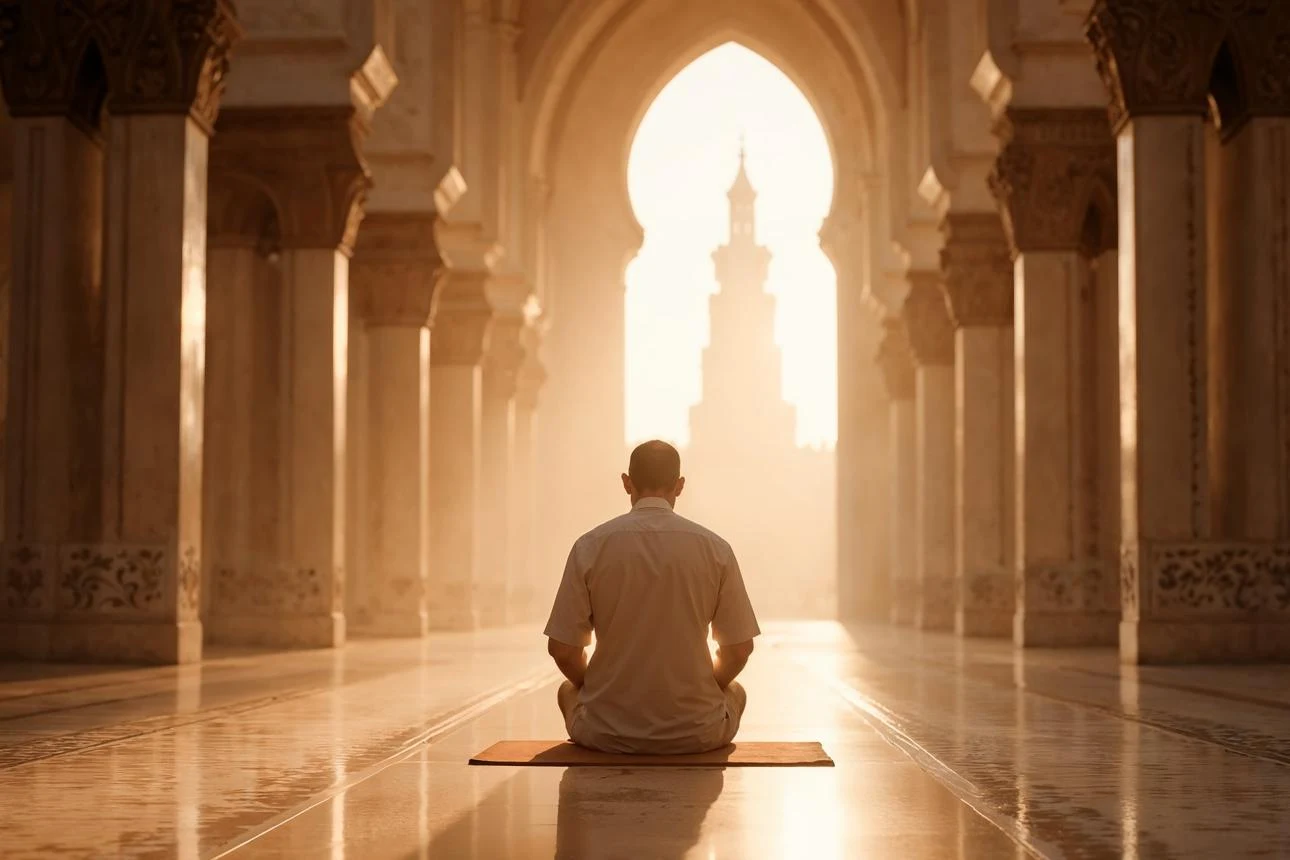
Figure 7: Illustration supporting 4.1.11 Dhuha Prayer.
Time of performing Dhuha
- It begins after sunrise when the Sun has risen sufficiently above the horizon.
- It continues until shortly before Dhuhr.
- It is recommended during the later part of the morning.
How Dhuha Is Performed
- A Muslim ensures that they are in a state of ritual purity.
- Finds a clean place for prayer.
- Makes the intention to perform Dhuha.
- Begins the prayer with Takbir.
- Performs the prescribed recitations and movements.
- Completes two Rak'ahs with Taslim.
- May perform additional units in pairs.
Dhuha is commonly performed in two-Rak'ah units.
Importance of Dhuha
- Provides an opportunity for voluntary worship.
- Encourages gratitude to Allah.
- Strengthens faith.
- Encourages discipline.
- Promotes remembrance of Allah.
- Provides additional spiritual rewards.
4.1.12 Comparison of the Three Sunnah Prayers
|
Prayer |
Time |
Main purpose |
|---|---|---|
|
Tahajjud |
During the night after sleep |
Seeking closeness to Allah and forgiveness |
|
Tahiyatul Masjid |
Upon entering a mosque before sitting |
Greeting and honouring the mosque |
|
Dhuha |
Morning after sunrise |
Voluntary worship and gratitude |
4.1.13 Meaning of Prayers on Special Occasions
Prayers on special occasions are prescribed or recommended forms of worship performed during particular circumstances or events.
The KICD Grade 7 curriculum identifies:
- Swalatul Janaza.
- Swalatul Musafir.
- Swalatul Kusuf.
- Swalatul Khusuf.
These prayers demonstrate the importance of worshipping Allah during different situations in human life.
4.1.14 Swalatul Janaza (Funeral Prayer)
Swalatul Janaza is the Islamic funeral prayer performed for a deceased Muslim.
It is a communal obligation known as Fardh Kifayah.
This means that if some members of the Muslim community perform it, the obligation is fulfilled for the community.
The prayer is performed while standing and consists of four Takbirs. It does not include Ruku or Sujud.
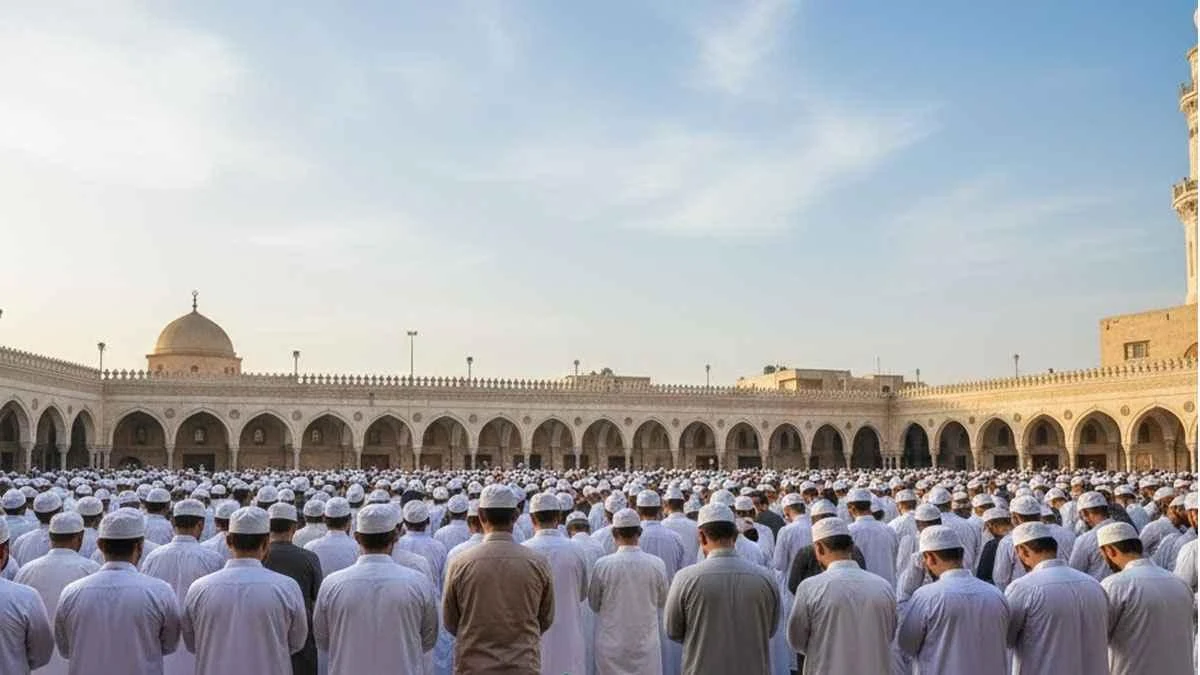
Figure 8: Illustration supporting 4.1.14 Swalatul Janaza (Funeral Prayer).
How Swalatul Janaza Is Performed
The general procedure is:
First Takbir
- The Imam begins with Takbir.
- The worshippers follow.
- Surah Al-Fatihah is recited according to the commonly taught procedure.
Second Takbir
- The Imam says the second Takbir.
- The worshippers follow.
- Salawat is recited for Prophet Muhammad (S.A.W.).
Third Takbir
- The Imam says the third Takbir.
- The worshippers make Du'a for the deceased.
Fourth Takbir
- The Imam says the fourth Takbir.
- The worshippers complete the prayer according to the established procedure.
- Taslim concludes the prayer.
The precise recitations and some procedural details may differ between recognised schools of Islamic jurisprudence.
Importance of Swalatul Janaza
- Demonstrates respect for the deceased.
- Allows Muslims to pray for the forgiveness of the deceased.
- Encourages unity among Muslims.
- Reminds people about death and the Hereafter.
- Demonstrates compassion towards the bereaved family.
- Fulfils a communal religious responsibility.
4.1.15 Swalatul Musafir (Prayer of a Traveller)
Swalatul Musafir refers to the concessions provided to a Muslim who is travelling, particularly regarding the shortening of certain obligatory prayers.
A traveller is called a Musafir.
Islam provides concessions to travellers because travelling may involve hardship, fatigue and difficulties in observing normal prayer arrangements.
One important concession is Qasr.
Meaning of Qasr
Qasr means shortening certain obligatory prayers during qualifying journeys.
The four-Rak'ah obligatory prayers of Dhuhr, Asr and Isha are shortened to two Rak'ahs.
Fajr remains two Rak'ahs, while Maghrib remains three Rak'ahs.
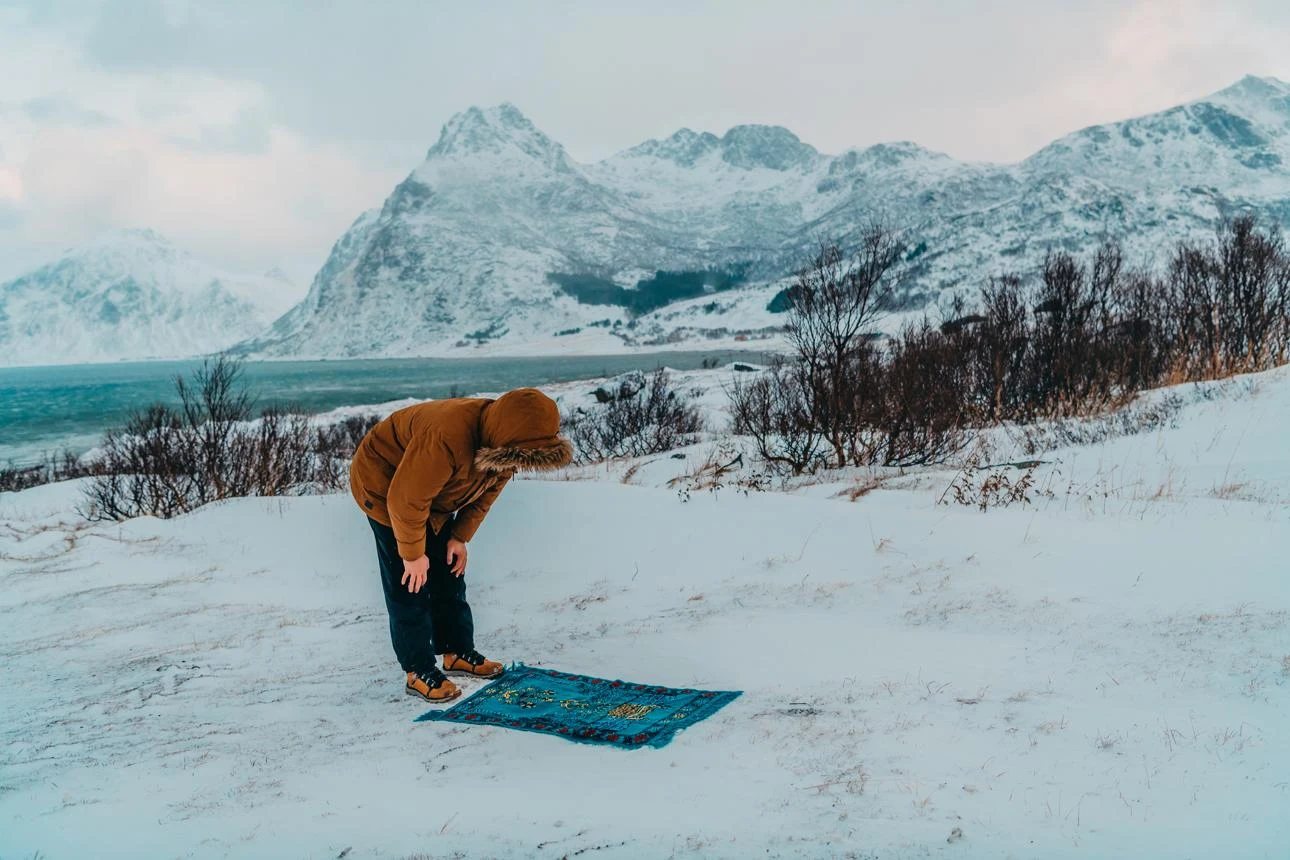
Figure 9: Illustration supporting 4.1.15 Swalatul Musafir (Prayer of a Traveller).
Prayers that can be shortened
|
Prayer |
Normal obligatory Rak'ahs |
Qasr Rak'ahs |
|---|---|---|
|
Fajr |
2 |
2 |
|
Dhuhr |
4 |
2 |
|
Asr |
4 |
2 |
|
Maghrib |
3 |
3 |
|
Isha |
4 |
2 |
Meaning of Jam'
Jam' means combining two obligatory prayers within one prayer period under recognised travel concessions.
The prayers that may be combined are:
- Dhuhr and Asr.
- Maghrib and Isha.
Fajr is not combined with another prayer.
Importance of the Prayer Concessions for Travellers
- Make worship manageable during journeys.
- Reduce hardship.
- Demonstrate the flexibility of Islamic teachings.
- Help Muslims maintain their religious responsibilities.
- Encourage regular prayer even when travelling.
The conditions for qualifying as a traveller and the duration of travel concessions differ among recognised schools of Islamic jurisprudence.
4.1.16 Swalatul Kusuf (Solar Eclipse Prayer)
Swalatul Kusuf is the special prayer performed during a solar eclipse.
A solar eclipse occurs when the Moon moves between the Earth and the Sun, blocking some or all of the Sun's light from reaching certain parts of the Earth.

Figure 10: Illustration supporting 4.1.16 Swalatul Kusuf (Solar Eclipse Prayer).
How Swalatul Kusuf Is Performed
According to the commonly taught Sunnah method:
- Muslims gather for the eclipse prayer.
- The Imam leads the congregation.
- The prayer consists of two Rak'ahs.
- Each Rak'ah includes two standing recitations and two bowings.
- The prayer is completed with prostrations and Taslim.
- The Imam may give a sermon or reminder after the prayer.
Importance of Swalatul Kusuf
- Reminds Muslims of Allah's power.
- Encourages remembrance of Allah.
- Promotes repentance.
- Encourages Du'a.
- Reminds Muslims about the signs of Allah in the universe.
4.1.17 Swalatul Khusuf (Lunar Eclipse Prayer)
Swalatul Khusuf is the special prayer associated with a lunar eclipse.
A lunar eclipse occurs when the Earth comes between the Sun and the Moon, causing the Earth's shadow to fall on the Moon.

Figure 11: Illustration supporting 4.1.17 Swalatul Khusuf (Lunar Eclipse Prayer).
How Swalatul Khusuf Is Performed
The commonly taught Sunnah method is similar to the solar eclipse prayer:
- Muslims gather for prayer.
- The Imam leads the congregation.
- The prayer consists of two Rak'ahs.
- Each Rak'ah has two standing recitations and two bowings.
- The worshippers perform the prescribed prostrations.
- The prayer ends with Taslim.
- Muslims are encouraged to make Du'a, seek forgiveness and remember Allah.
Importance of Swalatul Khusuf
- Encourages remembrance of Allah.
- Demonstrates the importance of worship during natural events.
- Strengthens faith.
- Encourages reflection on creation.
- Promotes repentance and supplication.
4.1.18 Differences Between the Special Prayers
|
Prayer |
Occasion |
Main purpose |
|---|---|---|
|
Swalatul Janaza |
Death of a Muslim |
Praying for the deceased |
|
Swalatul Musafir |
Qualifying journey |
Observing prayer with travel concessions |
|
Swalatul Kusuf |
Solar eclipse |
Worship and remembrance of Allah |
|
Swalatul Khusuf |
Lunar eclipse |
Worship and remembrance of Allah |
4.1.19 General Importance of Sunnah and Special Prayers
- Strengthen a Muslim's relationship with Allah.
- Encourage additional worship.
- Promote discipline.
- Demonstrate the practical teachings of Prophet Muhammad (S.A.W.).
- Provide spiritual support during difficult circumstances.
- Encourage unity among Muslims.
- Promote remembrance of Allah.
- Encourage Muslims to appreciate the flexibility of Islamic teachings.
Key inquiry questions
- Why should Muslims perform congregational prayers?
- Why are Sunnah prayers important?