
4.3.1 Meaning of Saum
Saum is an Arabic term meaning fasting.
In Islam, Saum refers to abstaining from specific things that invalidate the fast, from dawn until sunset, with the intention of worshipping Allah.
During fasting, Muslims abstain from eating, drinking and sexual relations during the prescribed fasting period.
Fasting is one of the five pillars of Islam.
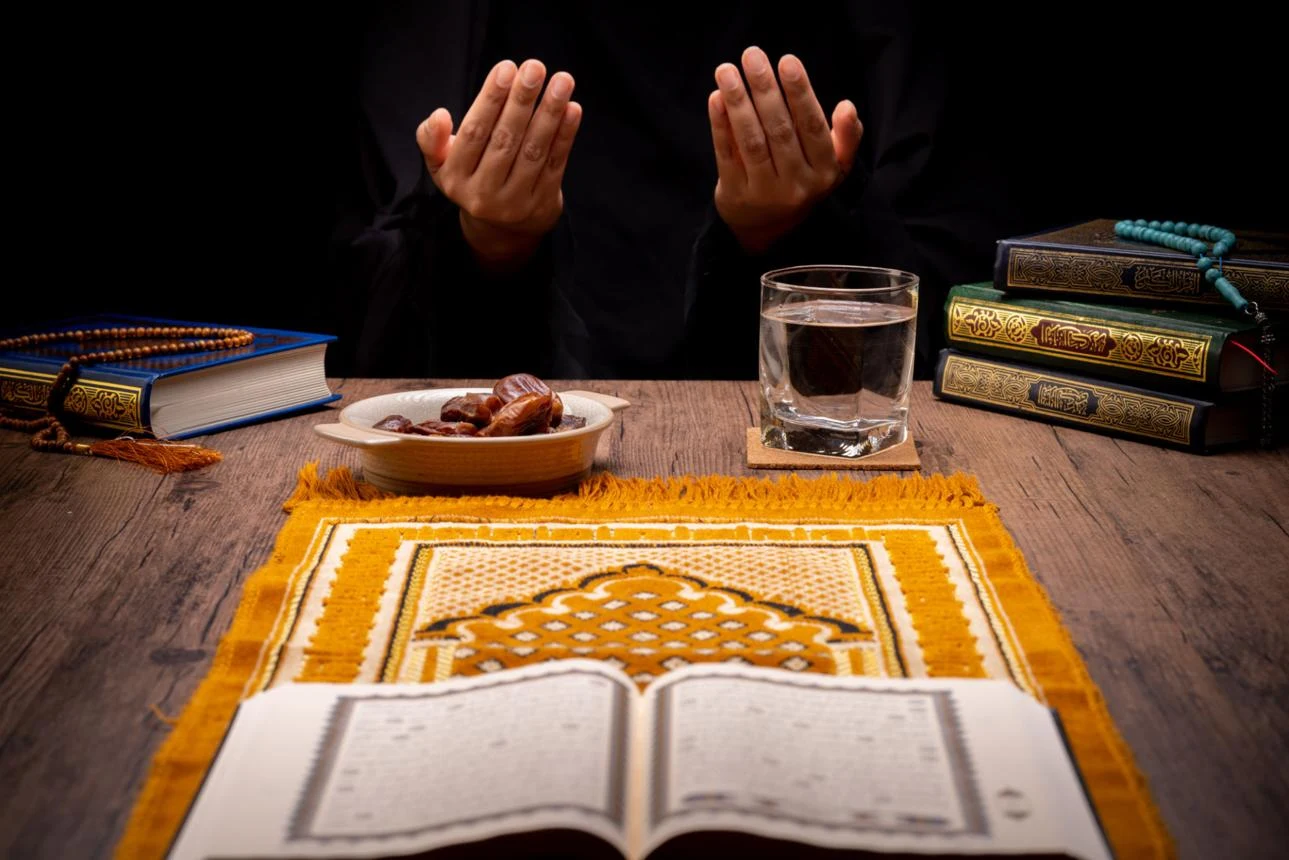
Figure 16: Illustration supporting 4.3.1 Meaning of Saum.
4.3.2 Importance of Saum in Islam
1. Develops Taqwa
Taqwa refers to consciousness of Allah and the desire to obey His commands while avoiding wrongdoing.
Fasting encourages Muslims to develop Taqwa.
2. Promotes Self-Discipline
Fasting teaches Muslims to control their desires and practise self-restraint.
3. Encourages Patience
Muslims learn to remain patient while experiencing hunger, thirst and other challenges.
4. Promotes Sympathy for the Needy
Experiencing hunger encourages Muslims to appreciate the difficulties faced by people who lack food.
5. Strengthens Faith
Fasting encourages Muslims to increase their worship and remembrance of Allah.
6. Encourages Generosity
Muslims are encouraged to give charity and assist needy people during Ramadan.
7. Promotes Unity
Muslims across different communities observe fasting and share in the spiritual activities of Ramadan.
8. Encourages Good Character
Fasting should encourage Muslims to avoid lying, fighting, insulting others and other bad behaviour.
9. Promotes Gratitude
Fasting helps Muslims appreciate the blessings of food, water and good health.
10. Encourages Spiritual Reflection
Muslims use the fasting period to reflect on their lives and strengthen their relationship with Allah.
4.3.3 Types of Saum
The KICD Grade 7 curriculum identifies five types of Saum:
- Fardh.
- Sunnah.
- Nadhir.
- Kafara.
- Qadha.
4.3.4 Fardh Fasting (Obligatory Fasting)
Fardh fasting refers to fasting that is compulsory for Muslims when the prescribed conditions are fulfilled.
The main example is fasting during the month of Ramadan.

Figure 17: Illustration supporting 4.3.4 Fardh Fasting (Obligatory Fasting).
Characteristics of Fardh Fasting
- It is obligatory.
- It is performed for the sake of Allah.
- It requires a sincere intention.
- It involves abstaining from things that invalidate the fast during the prescribed period.
- It is observed during Ramadan by eligible Muslims.
People generally required to fast Ramadan
Muslims who are:
- Mature.
- Sane.
- Physically able to fast.
- Not prevented by recognised Islamic exemptions.
Certain people, such as travellers, sick people, pregnant women and breastfeeding mothers, may have concessions depending on their circumstances and applicable Islamic rulings.
4.3.5 Sunnah Fasting (Voluntary Fasting)
Sunnah fasting refers to voluntary fasting recommended in the teachings of Prophet Muhammad (S.A.W.).
It is not obligatory, but Muslims are encouraged to observe it to earn additional rewards.
Examples include:
1. Fasting on Mondays and Thursdays
The Prophet encouraged fasting on Mondays and Thursdays.
2. Fasting on the Day of Arafah
This is observed on the ninth day of Dhul-Hijjah by Muslims who are not performing Hajj.
3. Fasting on the Day of Ashura
This is observed on the tenth day of Muharram.
It is recommended to fast an additional day alongside it according to commonly taught Sunnah guidance.
4. Fasting Six Days in Shawwal
Muslims are encouraged to fast six days during the month of Shawwal after Ramadan.
5. Fasting Three Days Every Month
Voluntary fasting for three days each lunar month is encouraged.

Figure 18: Illustration supporting 4.3.5 Sunnah Fasting (Voluntary Fasting).
Importance of Sunnah Fasting
- Provides additional opportunities for worship.
- Strengthens faith.
- Encourages self-discipline.
- Promotes patience.
- Helps Muslims develop Taqwa.
- Encourages following the Sunnah of Prophet Muhammad (S.A.W.).
4.3.6 Nadhir Fasting (Vowed Fasting)
Nadhir fasting refers to fasting that a person undertakes as a religious vow to Allah.
A person makes a commitment to fast when a specified condition is fulfilled or as a voluntary vow.
Once a valid vow is made, fulfilling it becomes obligatory according to the applicable Islamic rules.
Example:
A Muslim makes a valid vow to fast for three days if a particular lawful and beneficial situation is achieved.
When the condition is fulfilled, the person is required to fulfil the vow according to Islamic guidance.
Characteristics of Nadhir Fasting
- It originates from a religious vow.
- It becomes binding when a valid vow is made.
- It must be fulfilled according to its conditions.
- It should be undertaken sincerely for Allah.
- A Muslim should not make careless or unnecessary vows.
4.3.7 Kafara Fasting (Expiatory Fasting)
Kafara refers to an act of expiation performed to make amends for certain violations of Islamic obligations.
Kafara fasting is required in particular circumstances where Islamic law prescribes fasting as an expiation.
Examples include:
- Certain forms of violation of a fast.
- Breaking a valid oath under circumstances requiring expiation.
- Other situations in which Islamic law prescribes fasting as Kafara.
The nature and order of expiation depend on the particular violation.
Example:
For a deliberately broken oath, the Qur'an prescribes feeding ten needy people or clothing them, or freeing a slave. If a person cannot afford these options, fasting for three days is prescribed.
This is explained in Surah Al-Ma'idah (5:89).
Importance of Kafara
- Encourages accountability.
- Reminds Muslims to honour their commitments.
- Encourages repentance.
- Promotes responsibility.
- Helps Muslims correct certain violations of religious obligations.
4.3.8 Qadha Fasting (Making Up Missed Fasts)
Qadha fasting refers to making up obligatory fasts missed during Ramadan.
A Muslim who misses fasting for a recognised reason may be required to fast an equivalent number of days after Ramadan.
Examples of circumstances that may require Qadha include:
- Temporary illness.
- Menstruation.
- Postnatal bleeding.
- Travelling, where the fasting concession is used.
- Other recognised circumstances.

Figure 19: Illustration supporting 4.3.8 Qadha Fasting (Making Up Missed Fasts).
Example:
A Muslim misses five days of fasting during Ramadan because of illness.
After recovering, the person makes up the five missed days through Qadha fasting.
Importance of Qadha
- Helps Muslims fulfil missed obligatory fasts.
- Encourages responsibility.
- Promotes obedience to Allah.
- Reminds Muslims of the importance of fasting.
- Helps maintain religious commitment.
4.3.9 Differences Between the Five Types of Saum
|
Type |
Meaning |
Example |
|---|---|---|
|
Fardh |
Obligatory fasting |
Ramadan fasting |
|
Sunnah |
Recommended voluntary fasting |
Mondays and Thursdays |
|
Nadhir |
Fasting undertaken through a valid vow |
Fulfilling a fasting vow |
|
Kafara |
Fasting prescribed as expiation |
Certain violations requiring fasting |
|
Qadha |
Making up missed obligatory fasts |
Replacing missed Ramadan days |
4.3.10 Things That Generally Invalidate the Fast
During the fasting period, Muslims should avoid actions that invalidate the fast.
These include:
- Deliberately eating.
- Deliberately drinking.
- Sexual intercourse during the fasting hours.
- Deliberately inducing vomiting.
- Menstruation.
- Postnatal bleeding.
Islamic rulings concerning other circumstances may vary and should be learned from qualified teachers.
4.3.11 People Exempted from Fasting Under Certain Circumstances
Islam provides concessions for people who face genuine difficulties.
Examples include:
1. Sick People
People who are ill and whose health may be harmed by fasting may be allowed to break the fast and make up the missed days later where applicable.
2. Travellers
Travellers may use the fasting concession provided under Islamic law and make up the missed days later.
3. Pregnant Women
Pregnant women may receive concessions depending on their health and the circumstances of pregnancy.
4. Breastfeeding Mothers
Breastfeeding mothers may receive concessions when fasting may cause harm to themselves or their babies.
5. Elderly People
People who are permanently unable to fast because of old age or chronic illness may have different obligations, including Fidyah under the applicable rules.
6. Women During Menstruation
Women do not fast during menstruation and make up the missed obligatory Ramadan fasts later.
4.3.12 Things Muslims Should Do During Ramadan
- Observe fasting sincerely.
- Perform the five obligatory prayers.
- Read the Qur'an regularly.
- Give charity.
- Help needy people.
- Avoid arguments.
- Speak truthfully.
- Respect parents and elders.
- Make Du'a.
- Avoid harmful behaviour.
- Participate in beneficial religious activities.
- Break the fast at sunset.

Figure 20: Illustration supporting 4.3.12 Things Muslims Should Do During Ramadan.
4.3.13 Meaning of Suhur and Iftar
Suhur
Suhur is the meal eaten before dawn by Muslims preparing to fast.
It provides nourishment before the fasting period begins.
Iftar
Iftar is the meal taken to break the fast at sunset.
Muslims commonly break their fast with dates and water, following the example of Prophet Muhammad (S.A.W.).
4.3.14 Practical Ways of Developing Taqwa Through Fasting
- Avoid lying and dishonesty.
- Control anger.
- Avoid gossip.
- Respect other people.
- Give charity.
- Read the Qur'an.
- Perform prayers regularly.
- Avoid harmful entertainment and activities.
- Show patience.
- Remember Allah throughout the day.
4.3.15 Importance of Saum to Society
- Promotes compassion.
- Encourages charity.
- Strengthens unity.
- Reduces selfishness.
- Promotes discipline.
- Encourages sharing.
- Strengthens religious identity.
- Encourages peaceful coexistence.
- Promotes concern for disadvantaged people.
- Encourages good moral behaviour.
Key inquiry question
What are the benefits of Saum in the life of a Muslim?