
4.2.1 Meaning of Zakat
Zakat is an obligatory act of worship in Islam that involves giving a prescribed portion of qualifying wealth to eligible beneficiaries.
It is one of the five pillars of Islam.
The word Zakat carries meanings associated with purification, growth and blessing.
Through Zakat, Muslims purify their wealth by fulfilling the obligation of supporting people who are entitled to receive assistance.
Zakat promotes generosity, compassion, economic fairness and social responsibility.
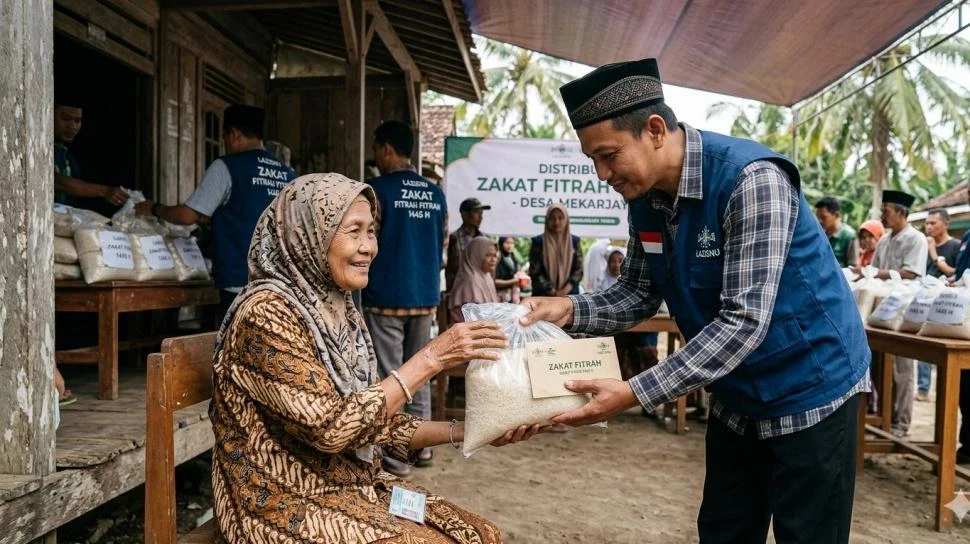
Figure 12: Illustration supporting 4.2.1 Meaning of Zakat.
4.2.2 Importance of Zakat in Islam
Zakat is important for several reasons.
1. Purifies Wealth
Zakat helps Muslims fulfil their responsibility towards people who are entitled to receive assistance.
2. Demonstrates Obedience to Allah
Paying Zakat is an act of worship and obedience to Allah's commandments.
3. Helps Needy People
Zakat provides financial and material assistance to eligible poor and vulnerable people.
4. Reduces Poverty
The redistribution of wealth through Zakat can help reduce economic hardship.
5. Promotes Social Equality
Zakat encourages wealthy Muslims to recognise their responsibilities towards less fortunate members of society.
6. Encourages Generosity
It teaches Muslims to share their wealth instead of becoming selfish or excessively attached to material possessions.
7. Promotes Unity
Zakat strengthens relationships between wealthy and disadvantaged members of the community.
8. Reduces Jealousy and Resentment
Supporting needy people can promote understanding and goodwill within society.
9. Encourages Responsible Wealth Management
Muslims become more conscious of how they earn, manage and distribute their wealth.
10. Strengthens Faith
Paying Zakat demonstrates commitment to Islamic teachings.
4.2.3 Types of Zakat
The Grade 7 curriculum identifies two main types:
- Zakatul Maal.
- Zakatul Fitr.
4.2.4 Zakatul Maal
Zakatul Maal refers to the obligatory payment made from qualifying wealth owned by a Muslim.
The word Maal means wealth or property.
It is payable when the relevant conditions of Zakat are fulfilled.
These conditions include:
- The wealth must belong to the person.
- The wealth must reach the prescribed minimum threshold, known as Nisab, where applicable.
- The wealth must be of a category subject to Zakat.
- The relevant conditions regarding the passage of time must be fulfilled where required.
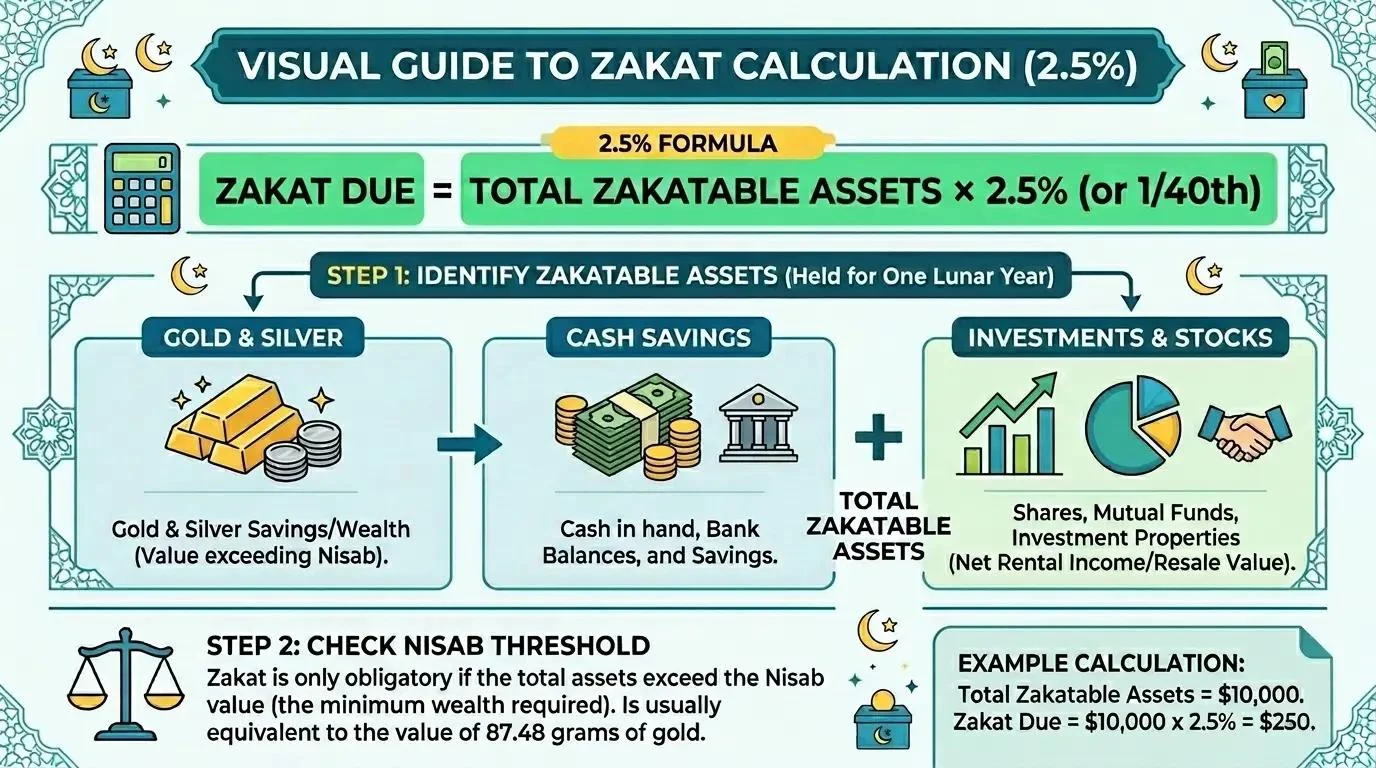
Figure 13: Illustration supporting 4.2.4 Zakatul Maal.
4.2.5 Wealth That May Be Subject to Zakatul Maal
Depending on the relevant Islamic rules, Zakat may be payable on qualifying:
- Cash savings.
- Gold.
- Silver.
- Business merchandise.
- Certain agricultural produce.
- Certain livestock.
- Other qualifying forms of wealth.
The rules and thresholds differ according to the type of wealth.
4.2.6 Meaning of Nisab
Nisab is the minimum prescribed amount of qualifying wealth a Muslim must possess before Zakat becomes obligatory on that wealth, subject to the applicable conditions.
It is an important condition in calculating Zakat.
For monetary wealth, the Nisab is commonly assessed using the value of the prescribed amount of gold or silver, depending on the applicable scholarly guidance.
Example:
If a Muslim has qualifying savings below the applicable Nisab threshold, Zakatul Maal is generally not due on those savings.
If the savings reach the required threshold and the other applicable conditions are fulfilled, Zakat becomes payable.
4.2.7 Rate of Zakatul Maal
For qualifying cash, savings and trade merchandise, the commonly taught rate is 2.5%, provided the relevant conditions are fulfilled.
Formula:
Worked Example
A Muslim has qualifying savings of KSh 200,000 and has fulfilled the applicable conditions for Zakat.
Calculate the Zakat payable.
Step 1: Identify the wealth
Qualifying wealth = KSh 200,000.
Step 2: Identify the Zakat rate
Zakat rate = 2.5%.
Step 3: Calculate
Answer: KSh 5,000
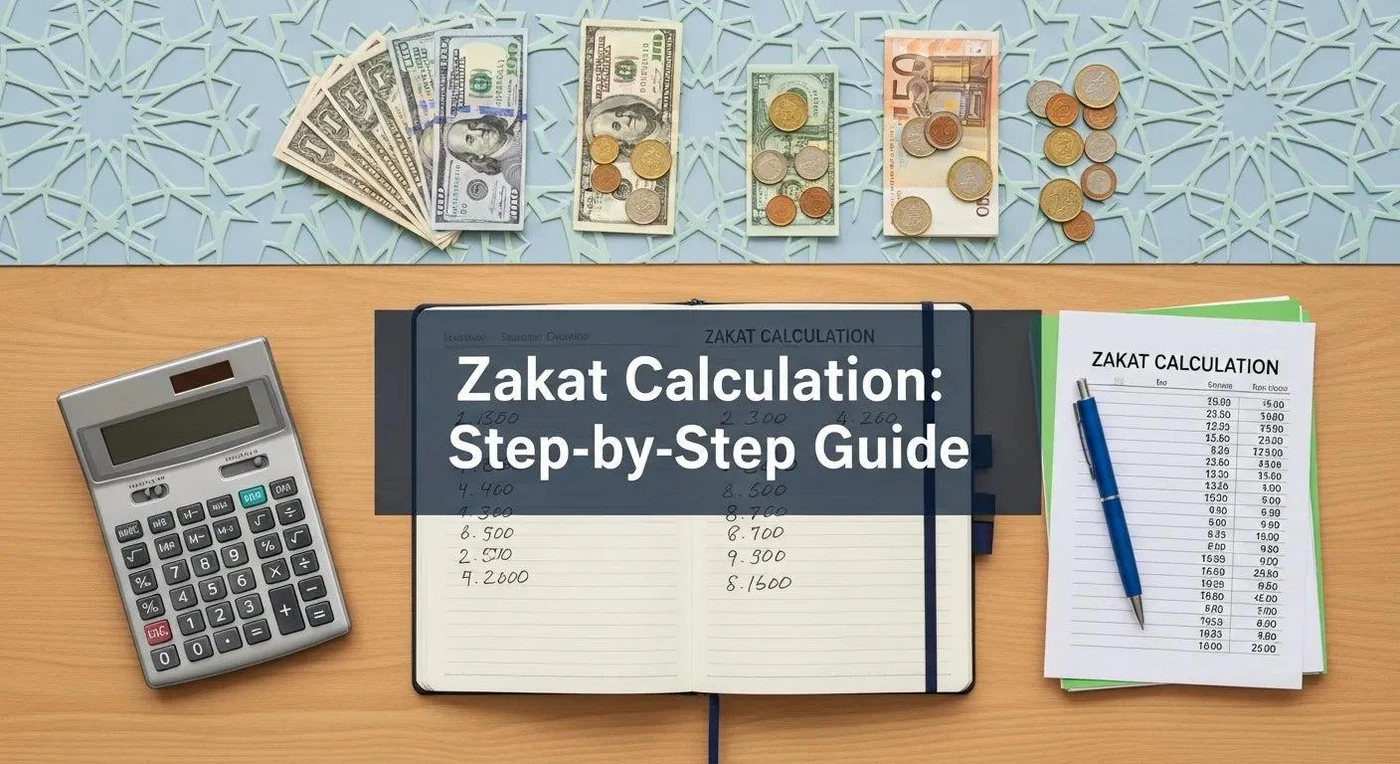
Figure 14: Illustration supporting 4.2.7 Rate of Zakatul Maal.
Note: The 2.5% rate does not apply uniformly to every category of Zakatable wealth. Agricultural produce and livestock, for example, have their own rules.
4.2.8 Zakatul Fitr
Zakatul Fitr is an obligatory charity associated with the completion of the fasting month of Ramadan.
It is paid before the Eid-ul-Fitr prayer.
It is intended to purify the fasting person from shortcomings during Ramadan and provide food assistance to needy people so that they can participate in the celebrations of Eid.
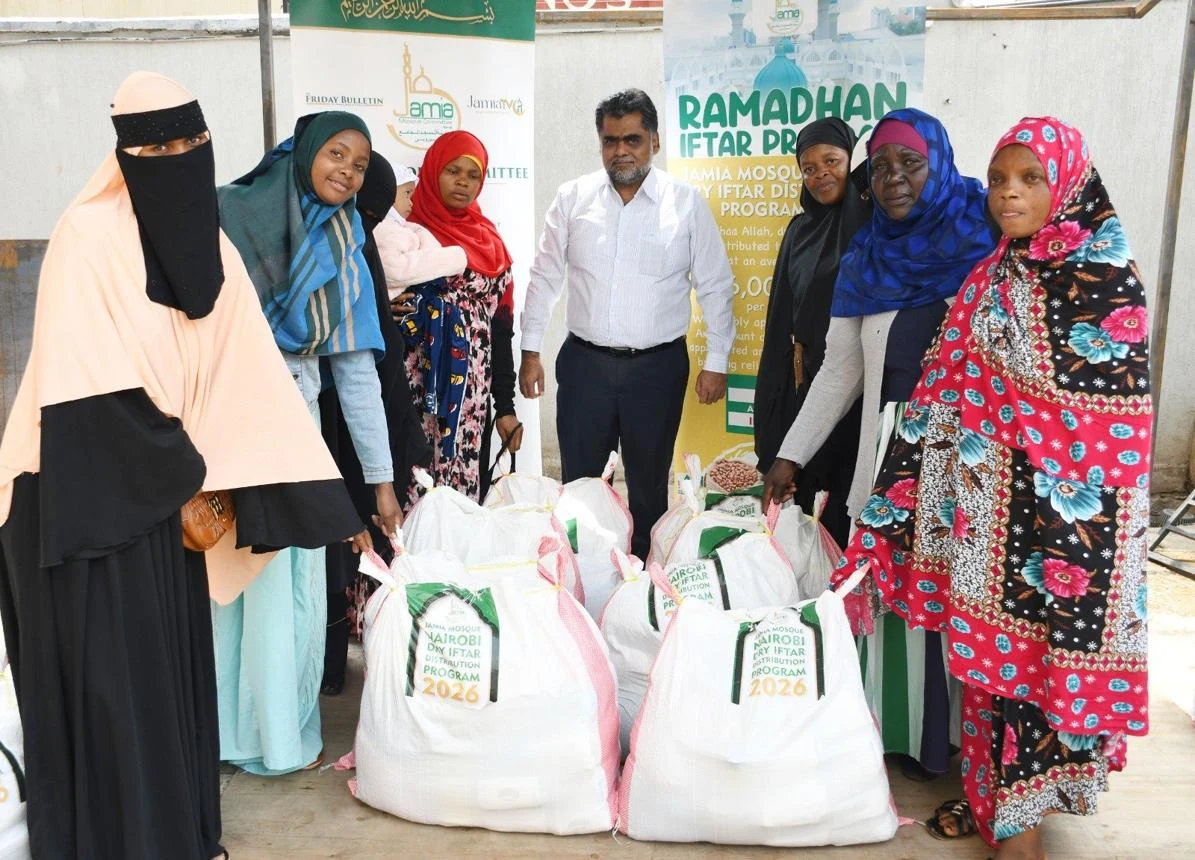
Figure 15: Illustration supporting 4.2.8 Zakatul Fitr.
4.2.9 How Zakatul Fitr Is Paid
- A Muslim identifies the persons for whom Zakatul Fitr is due.
- The appropriate prescribed quantity of staple food or its accepted equivalent is determined according to the applicable Islamic guidance.
- The charity is prepared before Eid-ul-Fitr.
- It is distributed to eligible beneficiaries.
- It should reach the beneficiaries before the Eid prayer.
The obligation generally concerns the Muslim and those dependants for whom they are responsible, according to the applicable school of Islamic jurisprudence.
4.2.10 Importance of Zakatul Fitr
- Helps needy people obtain food.
- Promotes generosity.
- Encourages sharing during Eid celebrations.
- Helps purify the fasting person's shortcomings.
- Promotes unity in the Muslim community.
- Encourages compassion.
- Helps disadvantaged families celebrate Eid with dignity.
4.2.11 Differences Between Zakatul Maal and Zakatul Fitr
|
Zakatul Maal |
Zakatul Fitr |
|---|---|
|
Paid on qualifying wealth |
Paid at the end of Ramadan |
|
Depends on the relevant wealth category and Nisab conditions |
Associated with the Muslim and applicable dependants |
|
Commonly 2.5% for qualifying cash and trade wealth |
Usually a prescribed quantity of staple food or accepted equivalent |
|
May be payable at different times during the year |
Due before the Eid-ul-Fitr prayer |
|
Purifies qualifying wealth |
Helps purify fasting and supports needy people |
|
Benefits eligible Zakat recipients |
Helps needy people participate in Eid |
4.2.12 Categories of People Eligible to Receive Zakat
The Qur'an identifies eight categories of people eligible to receive Zakat in Surah At-Tawbah (9:60).
These are:
1. Al-Fuqara (The Poor)
People who have very limited resources and cannot adequately meet their basic needs.
2. Al-Masakin (The Needy)
People experiencing financial hardship and requiring assistance.
3. Al-Amilina Alayha (Zakat Administrators)
People appointed to collect and administer Zakat according to Islamic requirements.
4. Al-Mu'allafatu Qulubuhum (Those Whose Hearts Are to Be Reconciled)
People whose relationship with the Muslim community may be strengthened through appropriate support.
5. Fir-Riqab (Freeing People from Bondage)
Zakat resources may be used for the purposes of freeing people from slavery or bondage within the applicable Islamic framework.
6. Al-Gharimin (Debtors)
People who have qualifying debts they cannot reasonably repay.
7. Fi Sabilillah (In the Cause of Allah)
This category is interpreted by Islamic scholars according to the relevant rules and circumstances.
8. Ibn As-Sabil (Stranded Travellers)
Travellers who are away from their resources and require assistance to continue their journey.
4.2.13 Items Exempted from Zakat Payment
Not all property owned by a Muslim is automatically subject to Zakat.
Common examples of property generally exempt from Zakatul Maal include:
- The house used as a primary residence.
- Ordinary household furniture.
- Personal clothing.
- Household utensils.
- Personal items used for daily living.
- A vehicle used for personal transportation.
- Tools used personally for work.
- Books used for personal learning.
However, property held for trade or investment may be treated differently.
Example:
A Muslim owns a house in which their family lives. The house is generally not subject to Zakatul Maal.
However, money saved from qualifying income may become subject to Zakat when the applicable conditions are fulfilled.
4.2.14 Differences Between Zakat and Ordinary Charity (Sadaqah)
|
Zakat |
Sadaqah |
|---|---|
|
Obligatory when conditions are fulfilled |
Generally voluntary |
|
Has prescribed rules |
Can be given in different forms |
|
Has specified eligible recipients |
Can benefit a wider range of people |
|
Certain rates and thresholds apply |
No fixed percentage is required |
|
Is one of the pillars of Islam |
Is an additional act of charity |
4.2.15 Significance of Zakat to Society
1. Reduces Poverty
Zakat helps provide resources to people experiencing financial hardship.
2. Promotes Social Responsibility
It reminds wealthy people that they have responsibilities towards vulnerable members of society.
3. Encourages Economic Cooperation
Zakat promotes the sharing of resources within communities.
4. Supports Vulnerable Groups
Orphans, needy families, eligible debtors and other beneficiaries may receive assistance.
5. Promotes Social Stability
Reducing economic hardship can help strengthen peaceful relationships within society.
6. Encourages Compassion
Zakat develops concern for the welfare of others.
7. Promotes Economic Justice
It encourages a more responsible distribution of wealth.
4.2.16 Practical Activity: Calculating Zakat
A Muslim has qualifying savings of KSh 400,000 and has fulfilled all the applicable conditions.
Calculate the Zakat payable at 2.5%.
Working:
Answer: KSh 10,000
Key inquiry question
Why is it important to pay Zakat?