
6.1.1 Meaning of Marriage in Islam
Marriage, known in Arabic as Nikah, is a lawful union between a man and a woman established according to Islamic requirements.
It provides a foundation for establishing a family and fulfilling responsibilities towards one another.
Marriage is encouraged in Islam because it promotes companionship, love, mercy, family stability and the continuation of human life.
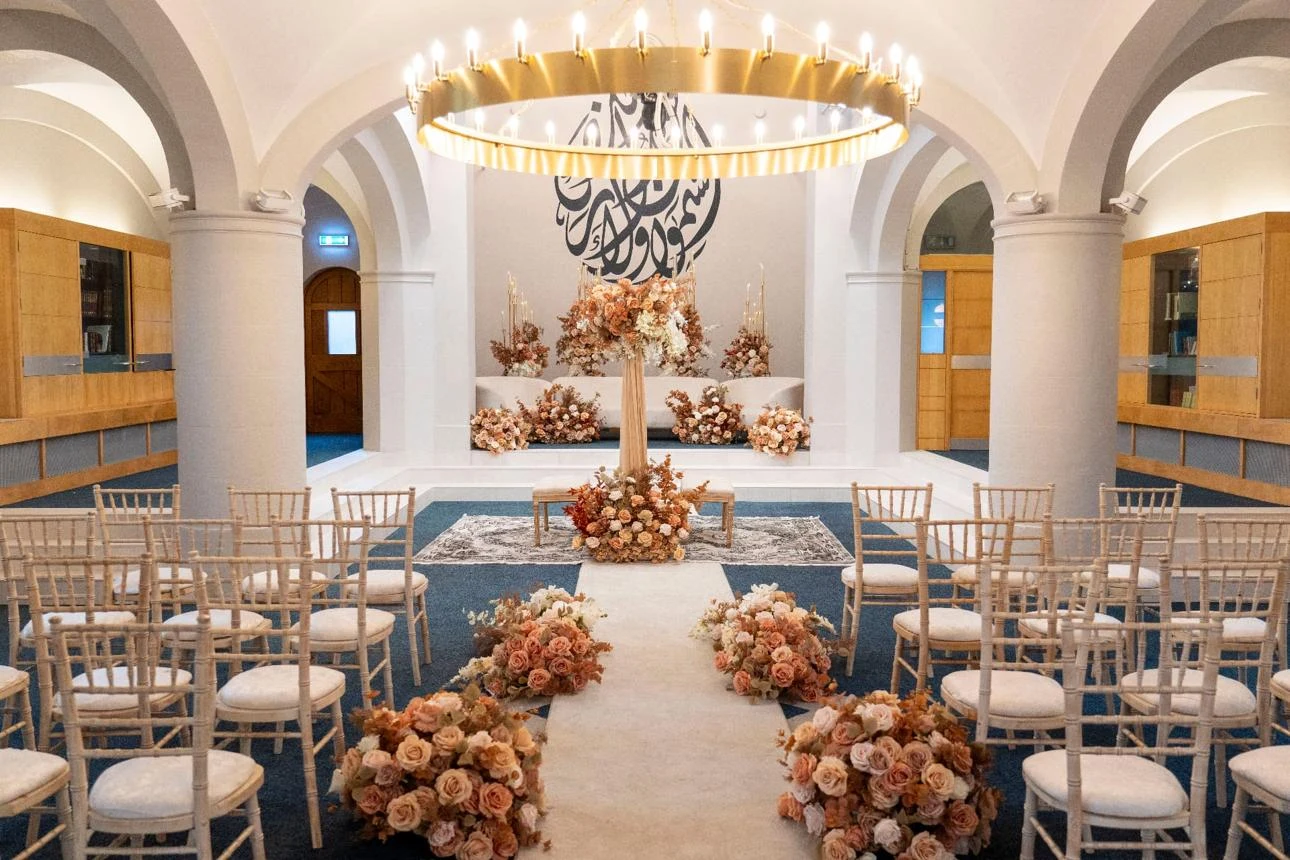
Figure 34: Illustration supporting 6.1.1 Meaning of Marriage in Islam.
6.1.2 Importance of Marriage in Islam
Marriage has several religious, social and family benefits.
1. Fulfils Religious Responsibilities
Marriage is a lawful way of establishing a family and fulfilling responsibilities recognised in Islam.
2. Promotes Companionship
Marriage provides companionship and emotional support between husband and wife.
3. Establishes a Family
Marriage provides a recognised foundation for establishing a family and raising children.
4. Promotes Love and Mercy
Islam encourages spouses to treat one another with love, kindness and compassion.
5. Encourages Responsibility
Marriage teaches individuals to take responsibility for the welfare of their spouses and children.
6. Protects Personal Dignity
Marriage provides a lawful framework for intimacy between spouses.
7. Promotes Social Stability
Strong families contribute to peaceful and responsible communities.
8. Encourages Cooperation
Husband and wife work together in managing their household and family responsibilities.
9. Provides Emotional Support
Spouses can support one another during difficult situations.
10. Promotes Proper Child Care
Marriage provides a family setting in which children can receive care, protection, guidance and education.
6.1.3 Purpose of Marriage in Islam
The purposes of marriage include:
- Establishing a family.
- Promoting love and mercy.
- Providing companionship.
- Encouraging responsible parenthood.
- Protecting human dignity.
- Promoting lawful relationships.
- Encouraging mutual support.
- Maintaining family stability.
- Promoting moral values.
- Fulfilling the teachings of Islam.
6.1.4 Qur'anic Teaching on Marriage
Surah Ar-Rum (30:21)
This verse explains that Allah created spouses so that people may find tranquillity in one another and that He placed affection and mercy between them.
It teaches that marriage should be based on:
- Love.
- Mercy.
- Peace.
- Understanding.
- Mutual care.
Surah An-Nisa (4:1)
This verse reminds humanity that all people originate from a single soul and encourages respect for family relationships.
6.1.5 Conditions for a Valid Marriage in Islam
An Islamic marriage must fulfil the requirements established by Islamic law.
The commonly taught conditions include:
1. Consent of the Parties
The man and woman entering marriage must give genuine consent.
Marriage should not be based on coercion or forced agreement.
2. Offer and Acceptance (Ijab and Qabul)
A marriage contract involves an offer and acceptance expressed according to the recognised Islamic requirements.
- Ijab refers to the offer.
- Qabul refers to the acceptance.
3. Presence of a Wali Where Required
A Wali is a guardian involved in the marriage contract of the bride.
The requirements and details concerning the Wali differ among Islamic schools of jurisprudence.
4. Witnesses
The marriage contract must satisfy the applicable Islamic requirements concerning witnesses.
5. Mahr (Dowry)
Mahr is a mandatory marriage gift from the husband to the wife.
It belongs to the wife and is her personal right.
It may consist of money, property or another lawful item of value.
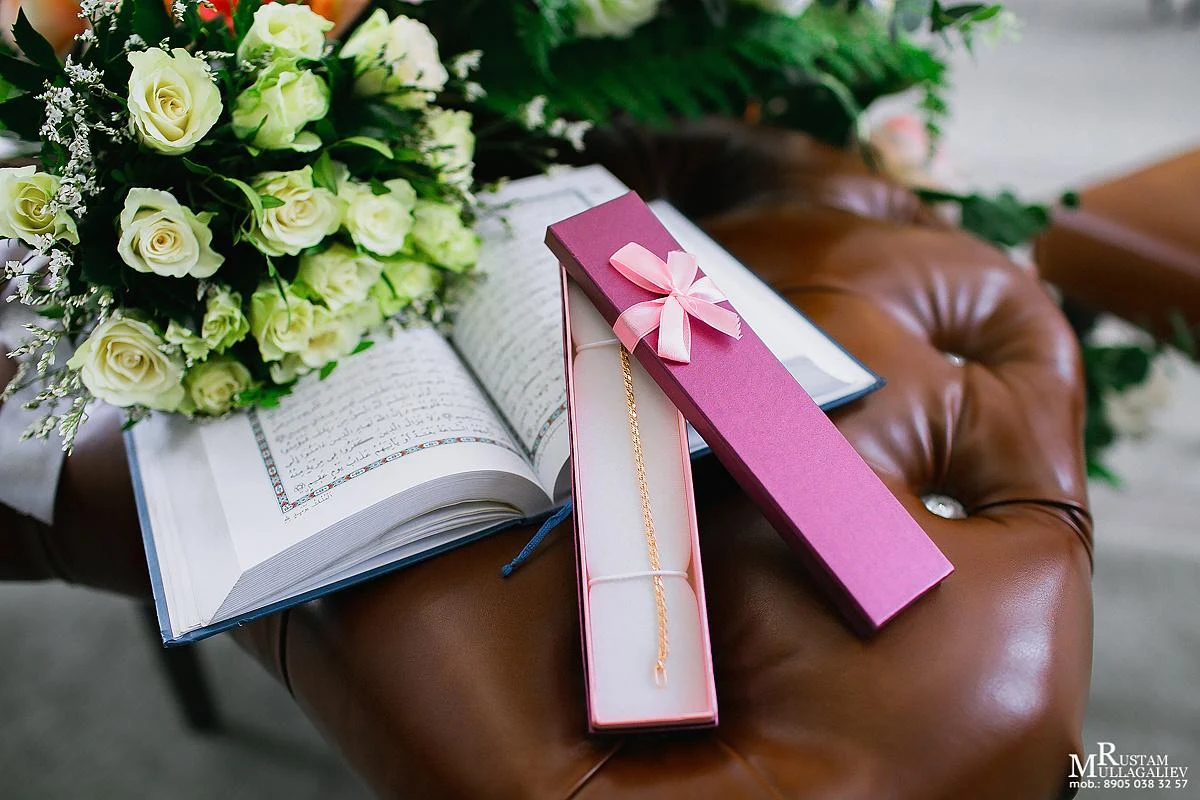
Figure 35: Illustration supporting 6.1.5 Conditions for a Valid Marriage in Islam.
6. Absence of Prohibited Marriage Relationships
The intended spouses must not be related in a way that makes the marriage prohibited under Islamic law.
7. Absence of Other Legal Impediments
The marriage must not violate applicable Islamic restrictions, including restrictions relating to an existing marriage or prescribed waiting periods.
8. Proper Marriage Contract
The marriage should be conducted according to recognised Islamic requirements.
Important: The details of some marriage conditions differ among recognised Islamic schools. Learners should follow the guidance of qualified Islamic teachers and the applicable legal requirements.
6.1.6 Meaning of Mahr
Mahr is the marriage gift given by the husband to the wife as part of the Islamic marriage contract.
It is a right belonging exclusively to the wife.
The husband is responsible for giving it according to the agreed terms.
Importance of Mahr
- Demonstrates the husband's commitment.
- Recognises the wife's rights.
- Forms part of the Islamic marriage contract.
- Provides the wife with personal property.
- Demonstrates respect for the marriage institution.
Example:
A husband agrees to give his wife KSh 30,000 as Mahr during their marriage contract.
The money belongs to the wife, and she has the right to use it according to her wishes.
6.1.7 Rights of a Wife in Islam
Islam recognises several rights belonging to a wife.
1. Right to Mahr
A wife has the right to receive the agreed Mahr.
2. Right to Maintenance
A husband has a responsibility to provide maintenance according to his ability and the applicable Islamic rules.
This may include:
- Food.
- Clothing.
- Suitable accommodation.
- Necessary household support.
3. Right to Kind Treatment
A wife should be treated with kindness, dignity and respect.
4. Right to Protection
A husband has a responsibility to protect his wife from harm and ensure her welfare.
5. Right to Respect
A wife deserves respect and should not be subjected to humiliation or abuse.
6. Right to Marital Intimacy
Marriage involves mutual marital rights and responsibilities.
7. Right to Education and Personal Development
Islamic teachings recognise the importance of acquiring beneficial knowledge. A wife should not be unjustly prevented from pursuing appropriate education and development.
8. Right to Inheritance
A wife has a prescribed share of her husband's estate when the conditions for inheritance are fulfilled.
9. Right to Financial Ownership
A wife's personal property and earnings belong to her. Marriage does not automatically transfer ownership of her wealth to her husband.
10. Right to Fair Treatment
A wife should be treated fairly and in accordance with Islamic teachings.
6.1.8 Rights of a Husband in Islam
A husband also has rights that should be respected within the marriage.
1. Right to Respect
A wife should treat her husband with respect and consideration.
2. Right to Marital Companionship
A husband has a right to companionship within the marriage.
3. Right to Cooperation
Spouses should cooperate in managing their household and fulfilling their responsibilities.
4. Right to Marital Fidelity
Both spouses are expected to remain faithful to the marriage.
5. Right to Mutual Kindness
A husband deserves kindness, understanding and respectful treatment.
6. Right to Privacy
Both spouses should respect private family matters.
7. Right to Responsible Family Life
Spouses should cooperate in maintaining a peaceful and responsible family environment.
6.1.9 Responsibilities of a Husband in Islam
The husband has important responsibilities towards his wife and family.
- Providing maintenance according to his ability.
- Providing suitable accommodation.
- Treating his wife with kindness.
- Protecting his family.
- Respecting his wife's rights.
- Supporting the education and upbringing of children.
- Maintaining fairness.
- Avoiding abuse and oppression.
- Participating responsibly in family decisions.
- Providing appropriate emotional and social support.
6.1.10 Responsibilities of a Wife in Islam
A wife also has responsibilities within the marriage.
- Respecting her husband.
- Maintaining marital fidelity.
- Cooperating in family responsibilities.
- Protecting family privacy.
- Supporting the upbringing of children.
- Maintaining good communication.
- Managing agreed household responsibilities.
- Treating family members with kindness.
- Respecting marital commitments.
- Contributing towards a peaceful family environment.
These responsibilities should be understood within the wider Islamic principle of mutual kindness, fairness and respect.
6.1.11 Shared Responsibilities of Husband and Wife
Marriage requires cooperation from both spouses.
|
Shared responsibility |
Explanation |
|---|---|
|
Mutual respect |
Treating one another with dignity |
|
Love and kindness |
Showing affection and compassion |
|
Faithfulness |
Remaining committed to the marriage |
|
Communication |
Discussing family matters respectfully |
|
Child care |
Supporting the upbringing of children |
|
Financial planning |
Managing family resources responsibly |
|
Conflict resolution |
Resolving disagreements peacefully |
|
Religious guidance |
Encouraging one another to practise Islam |
|
Family protection |
Providing a safe family environment |
|
Cooperation |
Working together to achieve family goals |
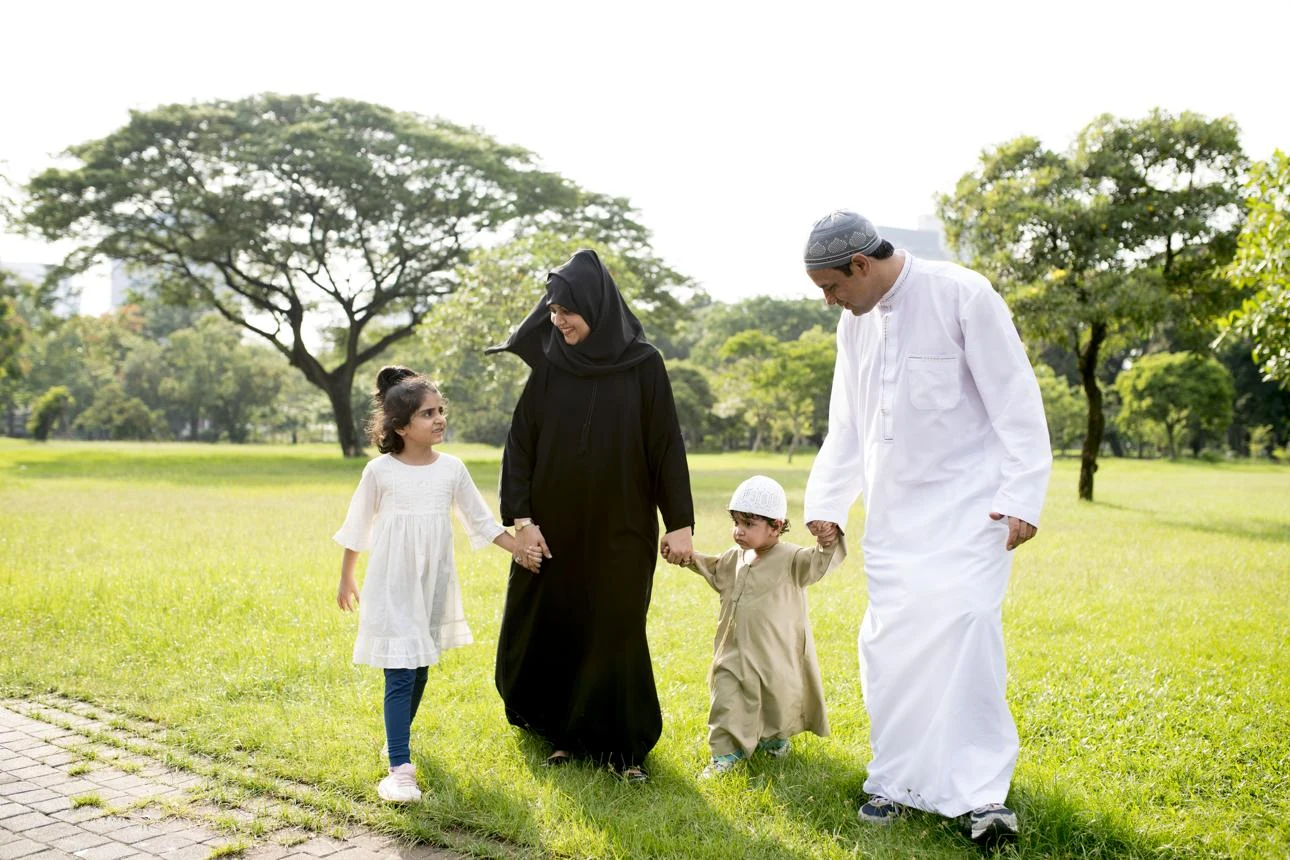
Figure 36: Illustration supporting 6.1.11 Shared Responsibilities of Husband and Wife.
6.1.12 Consequences of Failing to Fulfil Marital Responsibilities
Failure to respect marital rights and responsibilities may lead to:
- Family disagreements.
- Lack of trust.
- Emotional distress.
- Financial difficulties.
- Breakdown of communication.
- Neglect of children.
- Domestic violence.
- Separation or divorce.
- Poor family relationships.
- Social instability.
6.1.13 Importance of Marriage to Society
- Promotes stable families.
- Provides a framework for raising children.
- Encourages responsible relationships.
- Promotes moral conduct.
- Strengthens family ties.
- Encourages cooperation.
- Promotes social stability.
- Supports the welfare of children.
- Encourages mutual care.
- Strengthens community relationships.
6.1.14 Practical Activity: Demonstrating Marital Rights and Responsibilities
Learners can participate in a guided discussion or role-play.
Suggested situation:
A husband and wife are planning how to manage their family income and take care of their children.
Learners demonstrate how the couple can:
- Respect each other's opinions.
- Communicate politely.
- Plan household expenditure.
- Share appropriate responsibilities.
- Make decisions that protect family welfare.
Key inquiry questions
- Why is marriage important in Islam?
- What are the rights of a husband and wife in Islam?