
5.3.1 Meaning of Drugs
Drugs are substances that can affect the functioning of the body or mind.
Some drugs are used for legitimate medical purposes under appropriate medical supervision.
Other substances are abused when people use them in harmful, unlawful or inappropriate ways.
Islam prohibits intoxicants and harmful substances that damage the mind, body and society.
5.3.2 Meaning of Drug Abuse
Drug abuse refers to the harmful or inappropriate use of substances that affect a person's physical health, mental functioning, behaviour and social relationships.
Drug abuse may involve:
- Using illegal drugs.
- Taking prescription medicines without appropriate medical guidance.
- Misusing medicines.
- Using intoxicating substances in harmful ways.
- Taking substances in excessive or dangerous quantities.
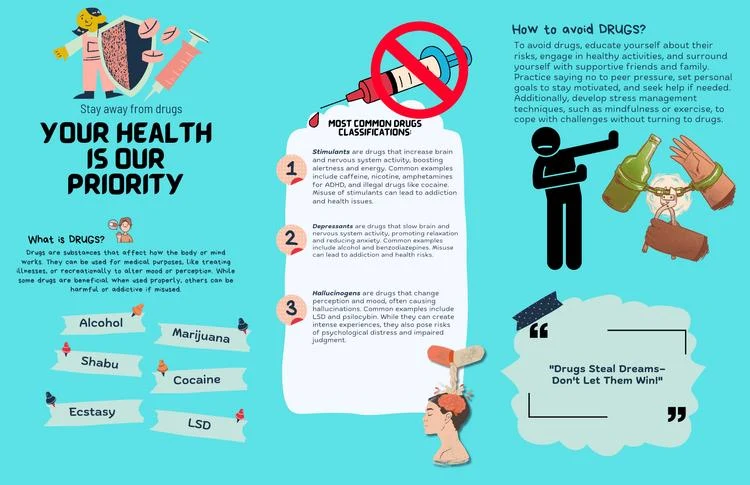
Figure 29: Illustration supporting 5.3.2 Meaning of Drug Abuse.
5.3.3 Examples of Drugs That May Be Abused
The KICD curriculum identifies examples such as bhang, heroin, cocaine and khat.
1. Bhang (Cannabis)
Bhang refers to preparations made from the cannabis plant.
It contains substances that affect the brain and may alter thinking, perception, memory and behaviour.
Possible effects include:
- Poor concentration.
- Impaired memory.
- Altered judgement.
- Reduced coordination.
- Anxiety or panic.
- Dependence in some users.
2. Heroin
Heroin is a highly addictive opioid drug.
It affects the central nervous system and can cause severe dependence.
Possible effects include:
- Drowsiness.
- Slowed breathing.
- Loss of consciousness.
- Dependence.
- Increased risk of overdose.
- Death from overdose.
3. Cocaine
Cocaine is a powerful stimulant drug that affects the central nervous system.
It may cause a person to experience increased alertness and energy for a short period.
However, it has serious health risks.
Possible effects include:
- Increased heart rate.
- Increased blood pressure.
- Anxiety.
- Restlessness.
- Heart complications.
- Seizures.
- Dependence.
4. Khat (Miraa)
Khat is a plant whose leaves contain stimulant substances, mainly cathinone and cathine.
Chewing khat can affect the nervous system.
Possible effects include:
- Increased alertness.
- Reduced appetite.
- Difficulty sleeping.
- Increased heart rate.
- Anxiety.
- Dependence in some users.
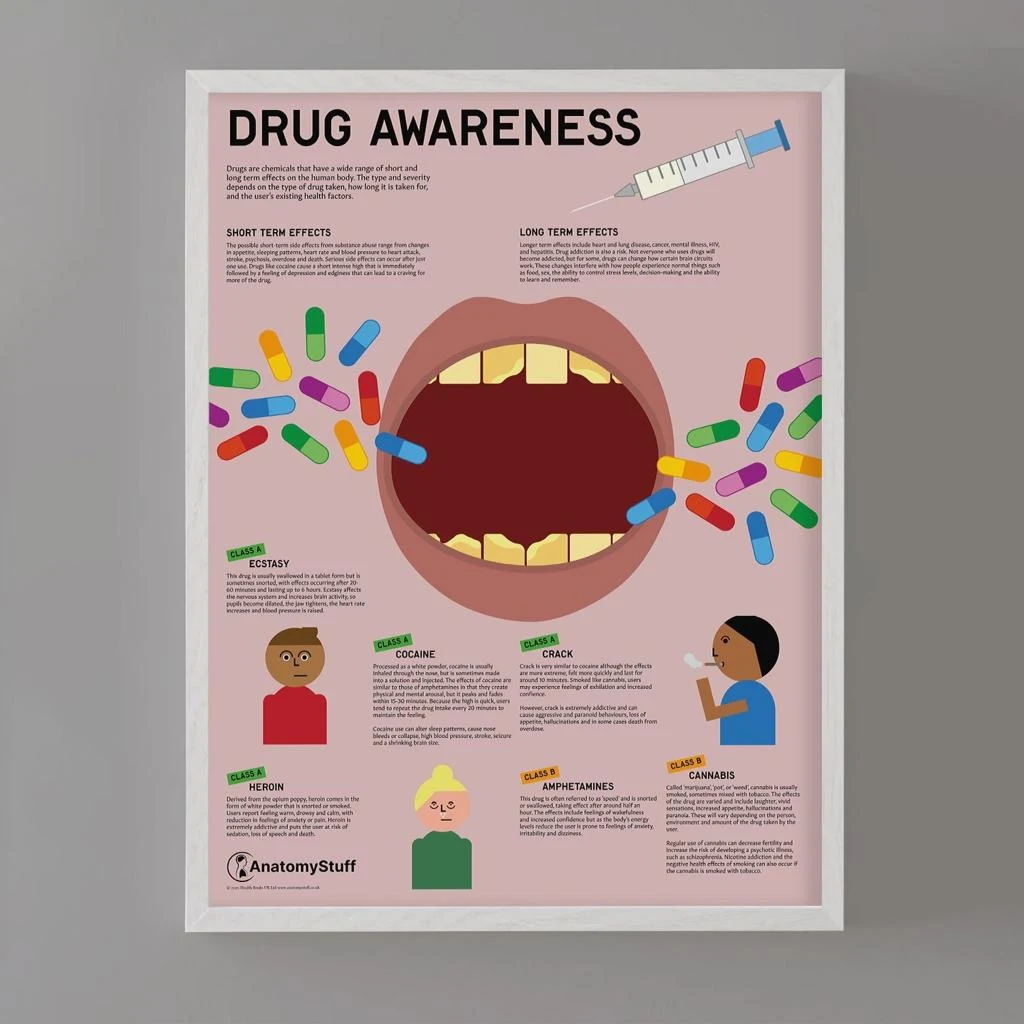
Figure 30: Illustration supporting 5.3.3 Examples of Drugs That May Be Abused.
5.3.4 Other Substances That May Be Abused
Other examples include:
- Tobacco and nicotine products.
- Alcohol.
- Inhalants.
- Certain prescription medicines.
- Some sedatives.
- Certain stimulants.
Not every medicine is harmful when used correctly. Medicines prescribed by qualified health professionals should be taken according to instructions.
5.3.5 Causes of Drug Abuse
Drug abuse may develop due to a combination of personal, social and environmental factors.
1. Peer Pressure
Some young people start using drugs because their friends encourage them to experiment.
2. Curiosity
Some individuals experiment with drugs because they want to experience their effects.
3. Stress and Emotional Problems
Some people misuse substances as an unhealthy way of dealing with stress, sadness or difficult experiences.
4. Poor Parental Guidance
A lack of appropriate guidance and supervision may increase vulnerability to harmful influences.
5. Family Influence
Growing up around people who misuse substances may increase exposure to drug-related behaviour.
6. Easy Availability
The availability of illegal drugs can make experimentation and misuse easier.
7. Lack of Awareness
Some people abuse drugs because they do not understand their health and social consequences.
8. Unemployment and Social Difficulties
Economic hardship and social challenges may contribute to vulnerability to substance misuse.
9. Desire to Escape Problems
Some individuals use substances to avoid facing personal or social challenges.
10. Media and Social Influence
Some media messages may present harmful substance use as attractive or normal.
5.3.6 Effects of Drug Abuse on an Individual
Drug abuse can affect a person's physical, mental, emotional and spiritual well-being.
A. Physical Effects
- Damage to body organs.
- Poor coordination.
- Sleep disturbances.
- Loss of appetite.
- Increased risk of accidents.
- Heart problems.
- Breathing difficulties.
- Increased risk of overdose.
- Weakening of general health.
- Death in severe cases.
B. Mental and Psychological Effects
- Poor concentration.
- Memory problems.
- Anxiety.
- Depression.
- Confusion.
- Poor judgement.
- Dependence.
- Behavioural changes.
- Increased risk of certain mental health conditions.
- Difficulty making responsible decisions.
C. Social Effects
- Family disagreements.
- Loss of friendships.
- Poor academic performance.
- Unemployment.
- Financial difficulties.
- Social isolation.
- Involvement in crime.
- Neglect of responsibilities.
- Loss of public trust.
- Increased family hardship.
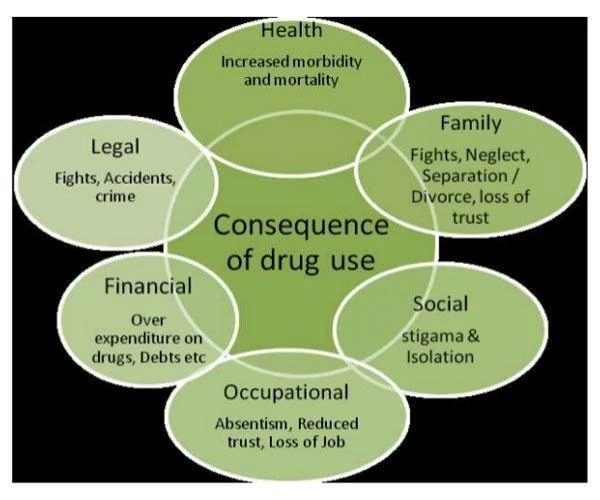
Figure 31: Illustration supporting 5.3.6 Effects of Drug Abuse on an Individual.
5.3.7 Effects of Drug Abuse on the Family
Drug abuse can affect the entire family.
Examples include:
1. Financial Problems
Money may be spent on harmful substances instead of food, education and other essential needs.
2. Family Conflicts
Substance misuse may lead to arguments, mistrust and violence.
3. Neglect of Responsibilities
A person who abuses drugs may fail to fulfil family responsibilities.
4. Emotional Distress
Family members may experience fear, stress, shame and sadness.
5. Breakdown of Relationships
Drug-related behaviour may damage relationships between parents, children and spouses.
5.3.8 Effects of Drug Abuse on Society
- Increased crime.
- Reduced productivity.
- Increased healthcare costs.
- Family instability.
- Increased road accidents.
- School dropout.
- Unemployment.
- Domestic violence.
- Poverty.
- Reduced community development.
5.3.9 Islamic Teachings on the Prohibition of Intoxicants
Islam prohibits intoxicants because they interfere with human reasoning and may cause serious harm.
The Qur'an provides guidance on intoxicants.
Surah Al-Baqarah (2:219)
This verse explains that intoxicants and gambling contain serious sin and some benefit for people, but their sin is greater than their benefit.
It encourages Muslims to recognise the harmful consequences of intoxicants.
Surah Al-Ma'idah (5:90)
This verse instructs believers to avoid intoxicants, gambling, sacrificial stones and divining practices, describing them as abominations from the work of Satan.
Surah Al-Ma'idah (5:91)
This verse explains that Satan seeks to create hostility and hatred through intoxicants and gambling and to prevent people from remembering Allah and performing Swalah.
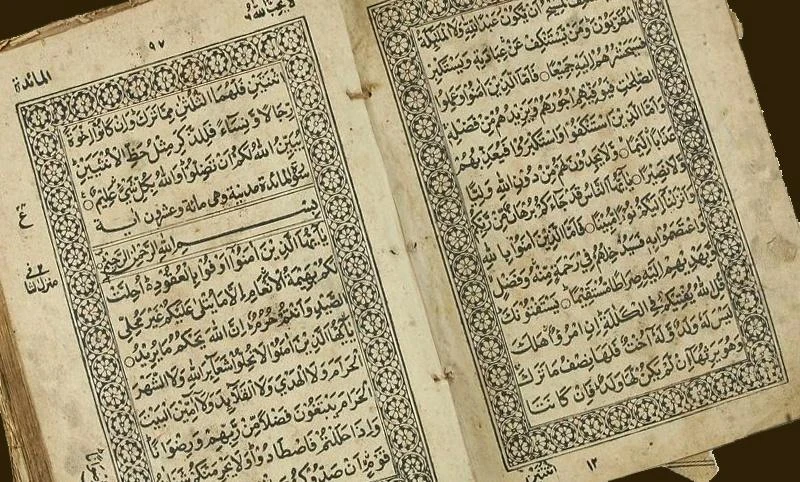
Figure 32: Illustration supporting 5.3.9 Islamic Teachings on the Prohibition of Intoxicants.
5.3.10 Reasons Why Islam Prohibits Drug Abuse
1. To Protect Human Life
Drug abuse can cause serious illness, accidents and death.
Islam teaches Muslims to protect their lives and avoid unnecessary harm.
2. To Protect the Mind
Intoxicating substances can interfere with reasoning, judgement and self-control.
Islam values the human intellect and prohibits intoxicants.
3. To Protect Family Relationships
Drug abuse may cause conflict, neglect and financial difficulties within families.
4. To Promote Good Character
Substance misuse may contribute to irresponsible and harmful behaviour.
5. To Prevent Financial Waste
Drug abuse can lead to the misuse of money that should support important needs.
6. To Protect Society
Drug abuse may contribute to crime, violence and social instability.
7. To Promote Spiritual Well-Being
Intoxicants may interfere with worship and remembrance of Allah.
8. To Protect Future Generations
Preventing drug abuse helps safeguard the health, education and well-being of children and young people.
5.3.11 Effects of Drug Abuse on Islamic Worship
Drug abuse may negatively affect religious responsibilities.
Examples include:
- Missing obligatory prayers.
- Neglecting fasting.
- Losing concentration during worship.
- Neglecting family responsibilities.
- Developing harmful habits.
- Becoming less committed to Islamic teachings.
- Wasting time and resources.
- Engaging in behaviour contrary to Islamic values.
5.3.12 Remedies for Drug Abuse
Drug abuse can be addressed through prevention, treatment, rehabilitation and community support.
1. Islamic Religious Guidance
Muslims should be educated about the Islamic prohibition of intoxicants and the importance of protecting their health.
2. Parental Guidance
Parents and guardians should guide children about the dangers of drug abuse.
3. School-Based Education
Schools should provide age-appropriate education about substance misuse and its consequences.
4. Avoiding Negative Peer Pressure
Young people should develop the confidence to refuse harmful activities.
5. Counselling
People experiencing substance-related problems should receive appropriate professional counselling.
6. Rehabilitation
People with substance dependence may require specialised treatment and rehabilitation services.
7. Medical Support
Qualified healthcare professionals can assess and manage health complications associated with drug use.
8. Community Awareness
Community organisations, religious leaders and schools should work together to educate people about prevention.
9. Positive Leisure Activities
Young people should participate in sports, education, arts and other constructive activities.
10. Early Intervention
Families and communities should seek help when signs of harmful substance use appear.

Figure 33: Illustration supporting 5.3.12 Remedies for Drug Abuse.
5.3.13 Role of Different Groups in Preventing Drug Abuse
|
Group |
Responsibility |
|---|---|
|
Parents |
Guide children and monitor their welfare |
|
Teachers |
Educate learners about drug abuse |
|
Religious leaders |
Teach Islamic values and provide guidance |
|
Healthcare workers |
Provide assessment, treatment and counselling |
|
NACADA |
Support drug abuse prevention and awareness in Kenya |
|
Community leaders |
Promote safe and supportive communities |
|
Government |
Enforce laws and support prevention and treatment |
|
Young people |
Make responsible decisions and avoid harmful peer pressure |
5.3.14 Role of NACADA in Kenya
NACADA stands for the National Authority for the Campaign Against Alcohol and Drug Abuse.
It is a Kenyan institution that supports efforts to prevent and reduce alcohol and drug abuse.
Its activities include:
- Public education and awareness.
- Supporting prevention programmes.
- Coordinating efforts to address substance misuse.
- Promoting research and information.
- Supporting rehabilitation and recovery initiatives.
- Working with communities and institutions.
5.3.15 How Learners Can Avoid Drug Abuse
- Choose responsible friends.
- Avoid experimenting with harmful substances.
- Follow Islamic teachings.
- Seek guidance from parents and teachers.
- Participate in sports.
- Join positive school clubs.
- Avoid environments where drugs are misused.
- Develop good decision-making skills.
- Seek counselling when experiencing emotional difficulties.
- Report dangerous situations to trusted adults.
5.3.16 Practical Activity: Creating a Drug Abuse Awareness Poster
Aim: To educate learners about the dangers of drug abuse.
Materials
- Manila paper.
- Coloured pencils.
- Markers.
- Pictures or illustrations.
- Educational messages.
Procedure
- Divide learners into groups.
- Identify common causes of drug abuse.
- Discuss the effects on individuals and society.
- Identify preventive measures.
- Design an awareness poster.
- Present the poster to the class.
Possible poster messages
- Say no to drug abuse.
- Protect your mind and body.
- Choose good friends.
- Avoid harmful substances.
- Seek help early.
- Follow the teachings of Islam.
Key inquiry questions
- What causes drug abuse?
- What are the effects of drug abuse in society?
- What are the possible remedies for drug abuse?