
7.1.1 Meaning of Islamic Heritage
Islamic heritage refers to the religious, social, political, cultural and intellectual contributions developed through the teachings and history of Islam.
It includes the achievements, values, institutions and practices that have influenced Muslim communities and wider human civilisation.
Islamic heritage is important because it helps Muslims understand their history and appreciate the contributions of Prophet Muhammad (S.A.W.) and earlier Muslim generations.
7.1.2 Meaning of Civilisation
Civilisation refers to the advanced social organisation and development of a community or society.
It involves areas such as:
- Religion.
- Education.
- Governance.
- Trade.
- Law.
- Culture.
- Science.
- Social relationships.
- Economic development.
Islamic civilisation developed through the teachings of the Qur'an and Sunnah and the efforts of Muslim communities.
7.1.3 Meaning of Reforms
Reforms are changes introduced to improve an existing system, institution or way of life.
Prophet Muhammad (S.A.W.) introduced major reforms that transformed the religious, social, political and economic life of the Arabian society.
These reforms were based on the guidance of Allah through the Qur'an and the teachings of the Prophet.
7.1.4 The Jahiliyya Period
Jahiliyya refers to the period of ignorance in pre-Islamic Arabia before the mission of Prophet Muhammad (S.A.W.).
The term does not mean that every person in Arabia lacked knowledge. It refers mainly to the widespread religious, moral and social practices that contradicted the guidance of Allah.
During this period, many people practised idol worship and certain harmful social and economic customs.
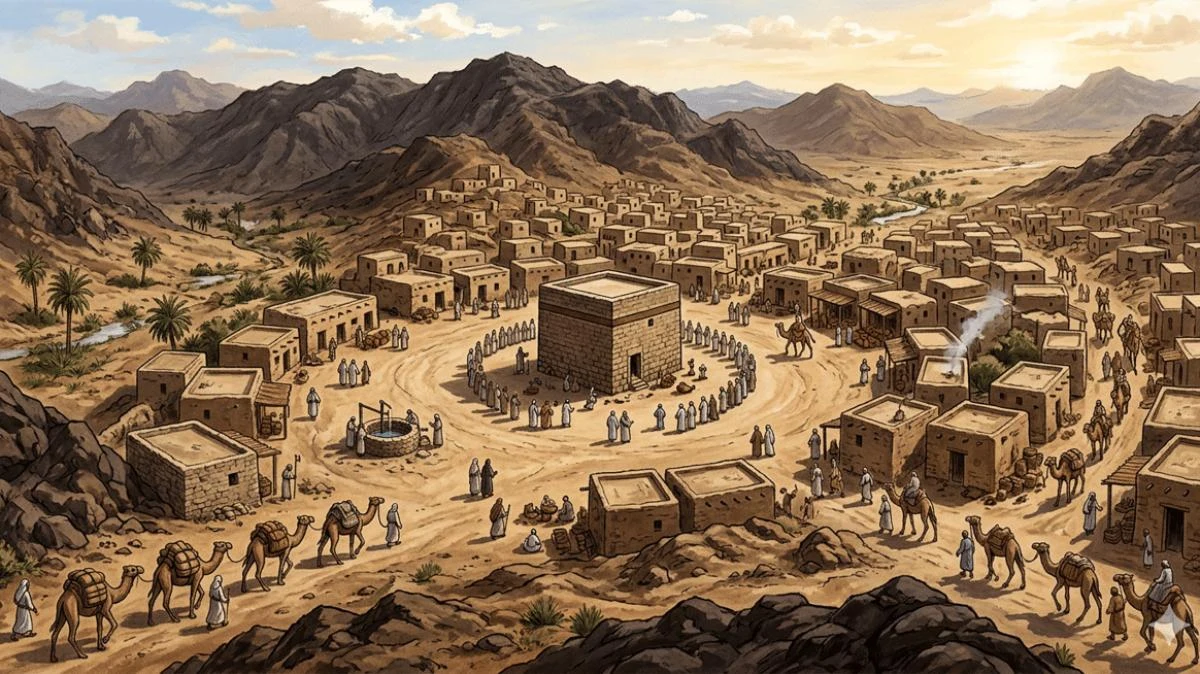
Figure 50: Illustration supporting 7.1.4 The Jahiliyya Period.
7.1.5 Characteristics of the Jahiliyya Period
1. Idol Worship
Many people worshipped idols and other created objects instead of worshipping Allah alone.
2. Tribal Conflicts
Different tribes frequently engaged in conflicts over resources, honour and other disagreements.
3. Social Inequality
Society was characterised by inequalities in social status and treatment.
4. Mistreatment of Women
Women in some communities experienced serious injustices and restrictions.
5. Female Infanticide
Some families practised the killing of infant girls due to shame, poverty or harmful social beliefs.
6. Exploitative Trade
Some traders used dishonest methods and exploitative practices.
7. Tribal Loyalty Above Justice
People sometimes supported members of their own tribes even when they were wrong.
8. Gambling
Gambling was practised in some parts of society.
9. Consumption of Intoxicants
Alcohol and other intoxicating substances were used.
10. Weak Protection for Vulnerable People
Orphans, the poor and other vulnerable people could experience exploitation and mistreatment.
7.1.6 Need for Reforms in the Jahiliyya Society
The society needed reforms to address harmful practices and establish a just and morally responsible community.
The major areas requiring change included:
- Religious beliefs.
- Treatment of women.
- Protection of children.
- Treatment of orphans.
- Economic activities.
- Social relationships.
- Political leadership.
- Administration of justice.
- Tribal conflicts.
- Moral conduct.
7.1.7 Reforms Introduced by Prophet Muhammad (S.A.W.)
The KICD curriculum groups these reforms into three main categories:
- Socio-religious reforms.
- Political reforms.
- Economic reforms.
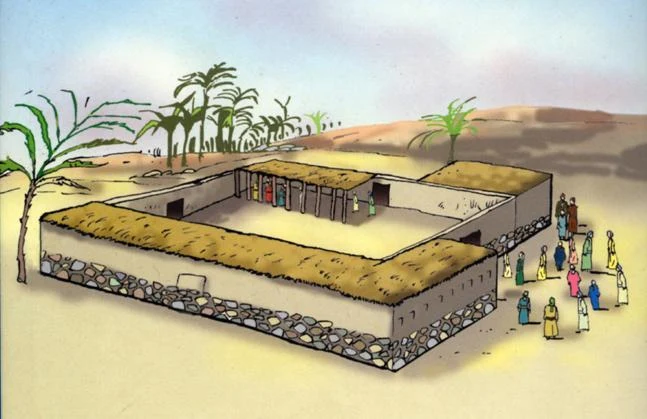
Figure 51: Illustration supporting 7.1.7 Reforms Introduced by Prophet Muhammad (S.A.W.).
7.1.8 Socio-Religious Reforms
Socio-religious reforms were changes introduced to improve religious beliefs, moral conduct and social relationships.
1. Establishment of Tawhid
Prophet Muhammad (S.A.W.) taught people to worship Allah alone.
He discouraged idol worship and called people to believe in the oneness of Allah.
This reform established Tawhid as the foundation of Islamic belief.
Importance
- Strengthened belief in one God.
- Discouraged idol worship.
- Promoted sincere worship.
- Provided a common religious foundation.
2. Promotion of Brotherhood and Unity
The Prophet encouraged Muslims to treat one another as brothers and sisters in faith.
He discouraged tribal divisions and promoted cooperation.
The brotherhood established between the Muhajirun (migrants from Makkah) and the Ansar (supporters in Madinah) is an important historical example.
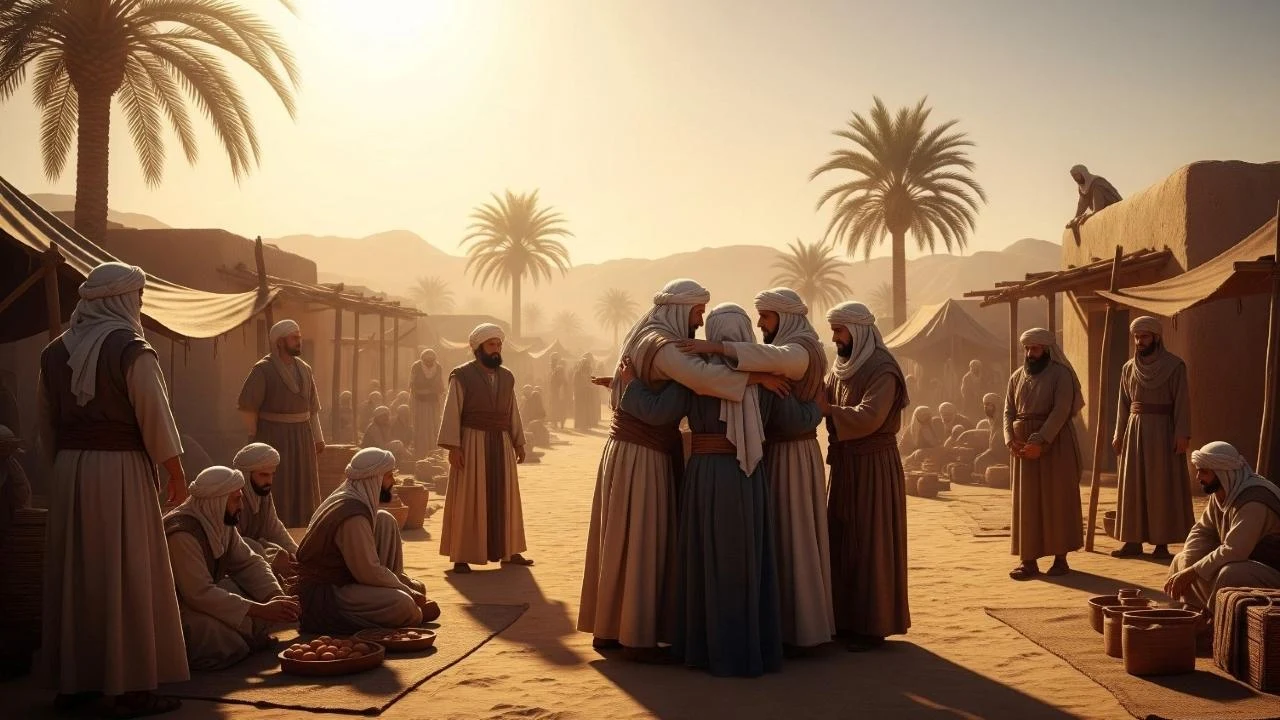
Figure 52: Illustration supporting 7.1.8 Socio-Religious Reforms.
Importance
- Promoted unity.
- Reduced tribal divisions.
- Encouraged cooperation.
- Strengthened the Muslim community.
- Promoted mutual assistance.
3. Improvement of the Status of Women
The Prophet taught that women should be treated with dignity and respect.
Islam established rights for women in marriage, inheritance, property ownership and other areas.
Importance
- Promoted respect for women.
- Recognised women's rights.
- Discouraged oppression.
- Strengthened family relationships.
- Encouraged justice.
4. Protection of Orphans
The Prophet strongly encouraged Muslims to care for orphans.
He discouraged the exploitation of their property and promoted kindness towards them.
Importance
- Protected vulnerable children.
- Encouraged charitable activities.
- Promoted social responsibility.
- Reduced exploitation.
5. Prohibition of Female Infanticide
Islam prohibited the killing of infant girls.
The Qur'an condemns the practice and reminds people that children should not be treated as a source of shame.
Importance
- Protected the lives of girls.
- Promoted respect for children.
- Discouraged gender-based injustice.
- Strengthened family values.
6. Promotion of Good Moral Behaviour
The Prophet encouraged Muslims to practise:
- Honesty.
- Patience.
- Forgiveness.
- Humility.
- Kindness.
- Generosity.
- Respect.
- Justice.
Importance
These values promoted peaceful relationships and responsible conduct.
7. Promotion of Knowledge and Education
The Prophet encouraged the acquisition of knowledge.
The first revelation began with the command to read.
Muslims were encouraged to learn, teach and reflect on the guidance of Allah.
Importance
- Promoted literacy.
- Encouraged learning.
- Strengthened religious understanding.
- Supported intellectual development.
8. Care for the Poor and Needy
The Prophet encouraged Muslims to support disadvantaged people through Zakat, Sadaqah and other charitable actions.
Importance
- Reduced hardship.
- Encouraged generosity.
- Promoted compassion.
- Strengthened community welfare.
9. Protection of Family Relationships
Islam encouraged respect for parents, kindness towards relatives and responsible family life.
Importance
- Strengthened families.
- Promoted mutual support.
- Encouraged respect.
- Reduced family conflicts.
10. Prohibition of Harmful Practices
The Prophet taught Muslims to avoid intoxicants, gambling, dishonesty and other harmful activities.
Importance
- Protected human health.
- Promoted responsible behaviour.
- Reduced social problems.
- Strengthened moral values.
7.1.9 Political Reforms Introduced by Prophet Muhammad (S.A.W.)
Political reforms involved changes in leadership, governance, justice and the organisation of society.
1. Establishment of Leadership Based on Islamic Principles
The Prophet established a leadership system guided by the Qur'an and divine instructions.
Leadership was associated with responsibility, justice and accountability.
Importance
- Promoted responsible leadership.
- Encouraged fairness.
- Established common standards of conduct.
- Strengthened social organisation.
2. Promotion of Justice
The Prophet taught that justice should be applied fairly.
People should not be treated differently simply because of their wealth, tribe or social status.
Importance
- Promoted equality before justice.
- Reduced oppression.
- Encouraged fairness.
- Strengthened public trust.
3. Establishment of the Madinah Community
After migrating to Madinah, the Prophet helped establish an organised Muslim community.
The community was guided by Islamic principles and recognised the responsibilities of different groups.
Importance
- Promoted cooperation.
- Strengthened community organisation.
- Encouraged peaceful coexistence.
- Established an organised system of leadership.
4. The Constitution of Madinah
The Constitution of Madinah was an agreement that helped regulate relationships among the different communities living in Madinah.
It addressed matters such as:
- Mutual responsibilities.
- Security.
- Cooperation.
- Community relations.
- Defence.
- Conflict management.
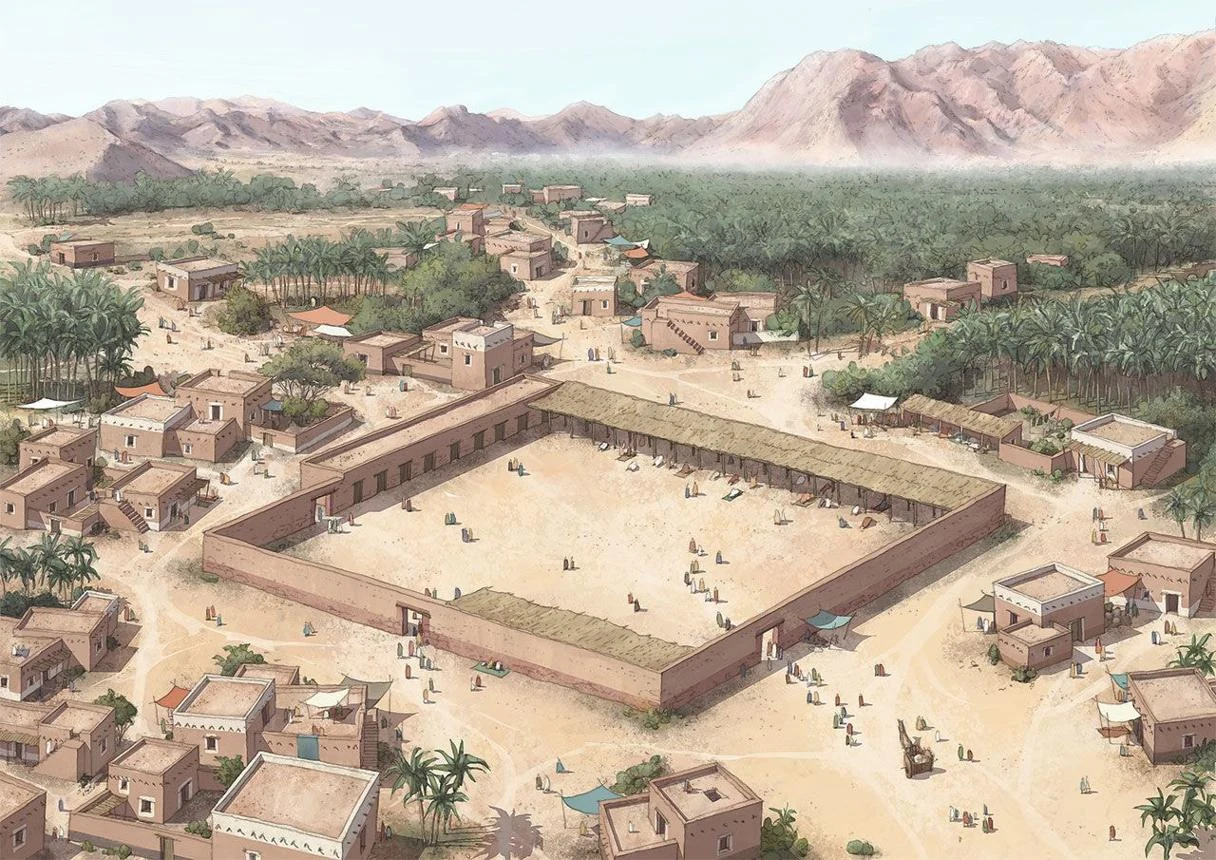
Figure 53: Illustration supporting 7.1.9 Political Reforms Introduced by Prophet Muhammad (S.A.W.).
Importance of the Constitution of Madinah
- Encouraged peaceful coexistence.
- Established common responsibilities.
- Promoted cooperation among communities.
- Provided a framework for resolving disputes.
- Strengthened the organisation of Madinah.
5. Promotion of Consultation (Shura)
The Prophet consulted his companions on important matters affecting the Muslim community.
This demonstrated the importance of listening to others and considering different opinions.
Importance
- Promoted participation.
- Encouraged responsible decision-making.
- Strengthened trust.
- Improved community relationships.
6. Promotion of Accountability
The Prophet demonstrated that leaders should be accountable for their responsibilities.
Leadership was not intended to be a means of exploiting people.
Importance
- Discouraged misuse of authority.
- Encouraged responsible leadership.
- Promoted public confidence.
- Strengthened justice.
7. Promotion of Peaceful Relations
The Prophet encouraged peaceful agreements and cooperation where appropriate.
He demonstrated the importance of resolving conflicts through responsible means.
Importance
- Reduced unnecessary conflict.
- Promoted stability.
- Encouraged cooperation.
- Protected human life.
7.1.10 Economic Reforms Introduced by Prophet Muhammad (S.A.W.)
Economic reforms were changes introduced to promote fair trade, lawful earnings and responsible management of wealth.
1. Prohibition of Riba
The Prophet taught Muslims to avoid prohibited interest-based transactions.
This was intended to prevent exploitation and promote fairness in financial dealings.
Importance
- Discouraged exploitation.
- Promoted fairness.
- Encouraged responsible financial practices.
- Protected vulnerable people from unjust financial arrangements.
2. Promotion of Honest Trade
The Prophet encouraged traders to be honest when buying and selling goods.
He discouraged cheating, fraud and dishonest measurements.
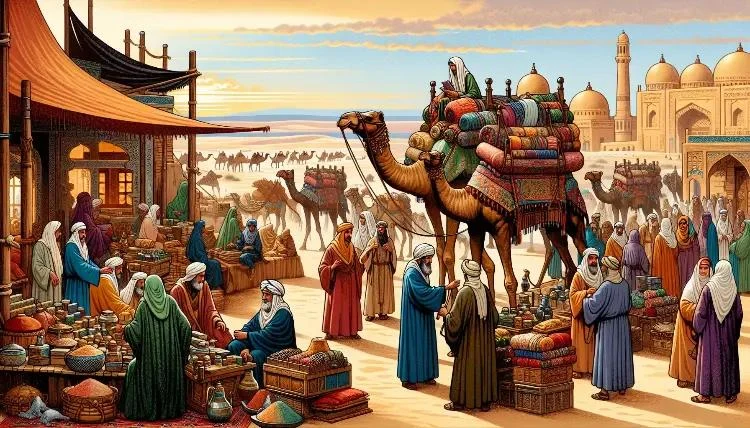
Figure 54: Illustration supporting 7.1.10 Economic Reforms Introduced by Prophet Muhammad (S.A.W.).
Importance
- Built trust between traders and customers.
- Promoted fair prices.
- Encouraged economic cooperation.
- Reduced exploitation.
3. Prohibition of Fraud and Cheating
The Prophet discouraged traders from deceiving customers.
He taught that traders should disclose relevant information about the goods they sell.
Importance
- Protected consumers.
- Promoted honesty.
- Strengthened business relationships.
- Encouraged responsible trading.
4. Promotion of Zakat
The Prophet established Zakat as an important obligation in Muslim society.
Zakat helped provide assistance to eligible needy people.
Importance
- Reduced poverty.
- Promoted sharing.
- Encouraged social responsibility.
- Supported vulnerable groups.
5. Encouragement of Lawful Earnings
The Prophet encouraged Muslims to earn their livelihood through lawful and honest activities.
Examples include:
- Farming.
- Trading.
- Skilled work.
- Manufacturing.
- Providing useful services.
Importance
- Promoted dignity through work.
- Encouraged self-reliance.
- Reduced dependence.
- Strengthened economic development.
6. Prohibition of Gambling
Islam prohibited gambling because it can cause financial loss, addiction and social problems.
Importance
- Protected family resources.
- Discouraged irresponsible financial behaviour.
- Reduced exploitation.
- Promoted responsible wealth management.
7. Promotion of Charity
The Prophet encouraged Muslims to give Sadaqah and support needy members of society.
Importance
- Encouraged generosity.
- Supported vulnerable people.
- Strengthened social relationships.
- Promoted compassion.
8. Promotion of Fair Financial Transactions
Muslims were encouraged to conduct transactions transparently and fulfil their agreements.
Importance
- Promoted trust.
- Reduced disputes.
- Encouraged responsible business practices.
- Strengthened economic relationships.
7.1.11 Summary of Reforms Introduced by Prophet Muhammad (S.A.W.)
|
Socio-religious reforms |
Political reforms |
Economic reforms |
|---|---|---|
|
Establishment of Tawhid |
Establishment of responsible leadership |
Prohibition of Riba |
|
Promotion of brotherhood |
Promotion of justice |
Promotion of honest trade |
|
Improvement of women's rights |
Constitution of Madinah |
Prohibition of fraud |
|
Protection of orphans |
Promotion of Shura |
Promotion of Zakat |
|
Protection of girls |
Accountability in leadership |
Encouragement of lawful earnings |
|
Promotion of education |
Peaceful relations |
Prohibition of gambling |
|
Promotion of good morals |
Organised community leadership |
Promotion of charity |
|
Care for the needy |
Conflict management |
Fair financial transactions |
7.1.12 Importance of the Reforms Introduced by Prophet Muhammad (S.A.W.) to World Civilisation
The reforms introduced by the Prophet had a lasting influence on Muslim society and the wider world.
1. Promoted Religious Unity
Tawhid established a common foundation of Islamic belief.
2. Promoted Social Justice
The teachings of Islam encouraged fair treatment of people regardless of their wealth or social status.
3. Improved the Status of Women
Islam established important rights for women in family life, property ownership, inheritance and marriage.
4. Encouraged Education
The emphasis on knowledge contributed to the development of learning and scholarship in Muslim societies.
5. Promoted Economic Fairness
Islamic principles encouraged honest trade, responsible wealth management and charitable giving.
6. Encouraged Peaceful Coexistence
The teachings of the Prophet promoted cooperation and respect among communities.
7. Strengthened Family Institutions
Islam established responsibilities and rights that helped promote stable family relationships.
8. Protected Vulnerable People
The emphasis on supporting orphans, the poor and other vulnerable people promoted social welfare.
9. Promoted Responsible Leadership
The Prophet demonstrated the importance of justice, consultation and accountability.
10. Encouraged Good Moral Conduct
The teachings of the Prophet promoted honesty, compassion, humility and forgiveness.
7.1.13 Comparison Between the Jahiliyya Period and the Post-Jahiliyya Period
The following table compares some practices that existed in parts of pre-Islamic Arabian society with the changes encouraged through Islamic teachings.
|
Area |
Jahiliyya period |
Reforms under Islam |
|---|---|---|
|
Religion |
Widespread idol worship |
Promotion of Tawhid |
|
Women |
Some women experienced serious oppression |
Recognition of women's rights |
|
Children |
Female infanticide occurred in some communities |
Protection of children's lives |
|
Orphans |
Vulnerable to exploitation |
Protection and support |
|
Trade |
Dishonest practices occurred |
Promotion of honest trade |
|
Finance |
Usurious and exploitative practices |
Prohibition of Riba |
|
Social relations |
Tribal conflicts and divisions |
Brotherhood and unity |
|
Leadership |
Tribal loyalty could override justice |
Promotion of justice and accountability |
|
Morality |
Harmful social practices existed |
Promotion of good moral values |
|
Education |
Knowledge and literacy were unevenly distributed |
Encouragement of learning |
Important: This comparison describes broad social and religious changes. Pre-Islamic Arabia contained different communities and practices, so not every individual or tribe followed all the negative customs listed.
7.1.14 Lessons Learnt from the Reforms of Prophet Muhammad (S.A.W.)
- Belief in one Allah is the foundation of Islam.
- People should be treated with dignity and respect.
- Women should be protected from injustice.
- Orphans and needy people deserve care.
- Leaders should be fair and responsible.
- Decisions affecting communities should involve consultation.
- Trade should be honest and transparent.
- Wealth should be used responsibly.
- Education is important for personal and social development.
- People should resolve disagreements peacefully.
- Muslims should promote unity.
- Good moral character is essential for a healthy society.
7.1.15 Application of the Prophet's Reforms in Modern Society
The teachings of Prophet Muhammad (S.A.W.) remain relevant in contemporary society.
|
Historical reform |
Application today |
|---|---|
|
Promotion of Tawhid |
Encouraging sincere worship |
|
Brotherhood |
Promoting unity among communities |
|
Protection of women |
Preventing gender-based violence and injustice |
|
Protection of orphans |
Supporting vulnerable children |
|
Promotion of education |
Encouraging access to quality education |
|
Honest trade |
Avoiding fraud and corruption |
|
Prohibition of Riba |
Following lawful Islamic financial principles |
|
Promotion of justice |
Respecting the rule of law |
|
Shura |
Encouraging consultation in leadership |
|
Charity |
Supporting poor and disadvantaged people |
7.1.16 Practical Activity: Understanding Islamic Reforms
Activity 1: Group Discussion
Learners form groups and discuss the three categories of reforms introduced by Prophet Muhammad (S.A.W.).
Each group identifies examples of reforms and explains their importance.
Activity 2: Historical Comparison
Learners prepare a chart comparing selected characteristics of Jahiliyya society with the reforms introduced through Islam.
Activity 3: Role-play
Learners demonstrate:
- A dishonest trader and an honest trader.
- A leader who practises injustice and a leader who practises fairness.
- A community that discriminates against vulnerable people and one that promotes compassion.
- A family that neglects children and one that protects their welfare.
Activity 4: Community Application
Learners identify challenges affecting their communities and explain how the teachings of Prophet Muhammad (S.A.W.) can help address them.
Key inquiry questions
- What are the benefits of the reforms introduced by Prophet Muhammad (S.A.W.)?
- What lessons do Muslims learn from the reforms introduced by Prophet Muhammad (S.A.W.)?