Learning Outcomes
By the end of this sub-strand, the learner should be able to:
- a) Identify cutting tools used in the work environment
- b) Select cutting tools for given tasks in a workplace
- c) Use cutting tools to perform a given task
- d) Care for cutting tools in the work environment
- e) Recognise the importance of cutting tools in the work environment
a) Identify Cutting Tools Used in the Work Environment
A cutting tool is a device with a sharp edge used to remove material from a workpiece through shear deformation. Cutting tools are essential in woodworking, metalworking, construction, tailoring, and many other trades.
Common Cutting Tools:
|
Tool |
Description |
Image Reference |
|---|---|---|
|
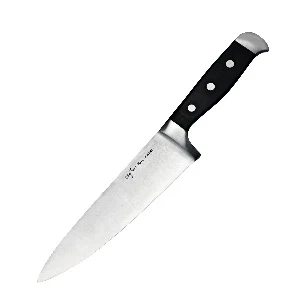
Knife (Utility Knife) |
Small tool with a sharp, replaceable blade. Used for cutting cords, paper, cardboard, and light materials. |
 |
|
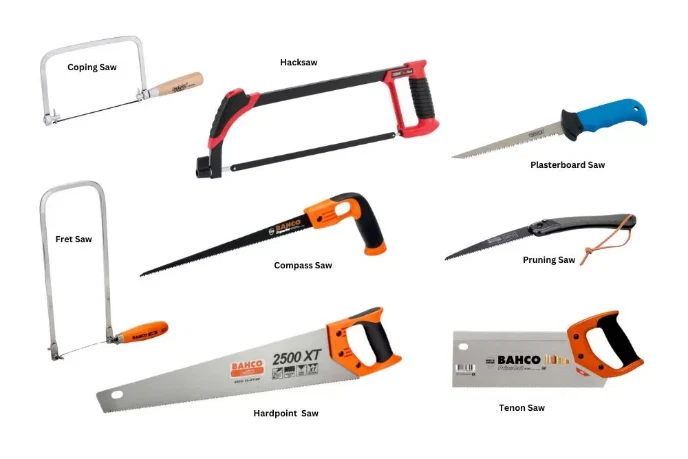
Handsaw |
A tool with a toothed blade used for cutting wood. Comes in different types for ripping (along grain) and crosscutting (across grain). |
 |
|
Hacksaw |
A fine-toothed saw held in a metal frame, designed for cutting metal, plastic pipes, and thin materials. | |
|
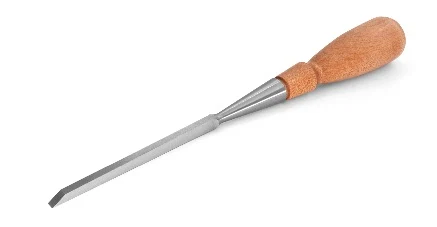
Chisel |
A tool with a sharp beveled edge at the end of a metal blade, struck with a mallet or hammer to cut or shape wood, stone, or metal. |
 |
|
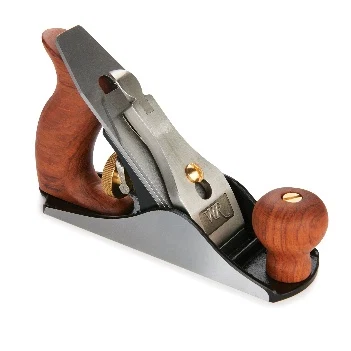
Plane |
A woodworking tool used to smooth and flatten surfaces by shaving off thin layers. |
 |
|
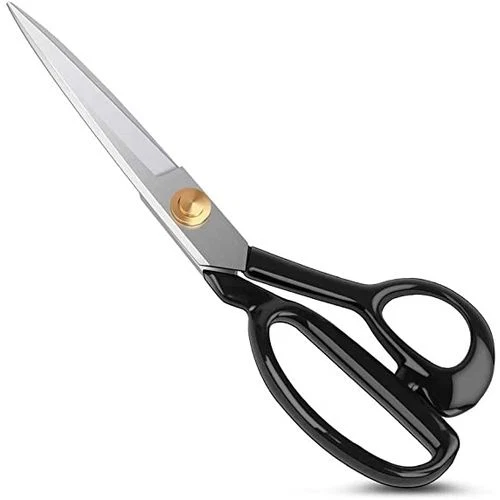
Scissors |
Two pivoting blades used for cutting thin materials like paper, cloth, and hair. |
 |
|
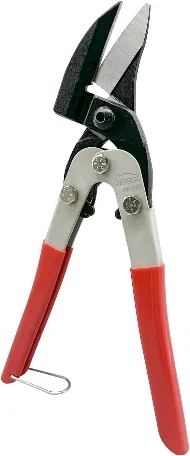
Shears |
Heavy-duty scissors used for cutting thicker materials like leather, canvas, and sheet metal. |
 |
|
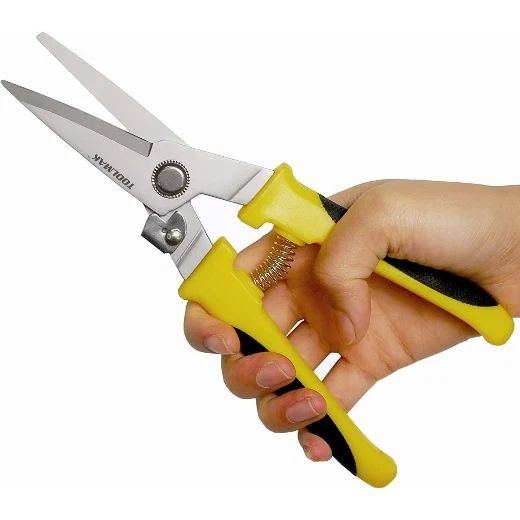
Snips (Tin Snips) |
Tools like heavy scissors specifically for cutting sheet metal. |
 |
|
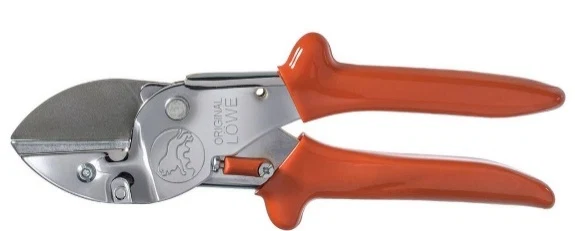
Secateurs (Pruning Shears) |
Strong scissors-like tool for cutting plant stems and small branches. |
 |
|
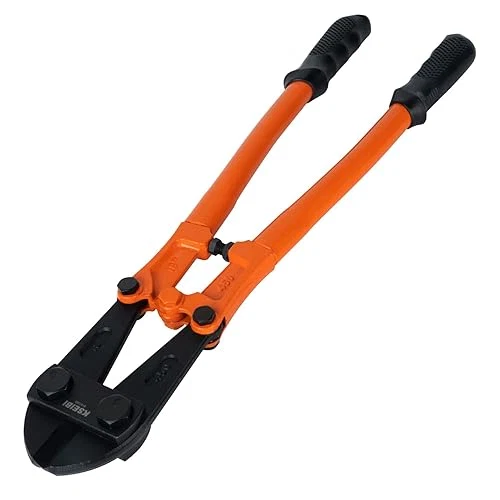
Bolt Cutter |
Large, powerful cutters with long handles and compound hinges for cutting bolts, chains, padlocks, and thick wire. |
 |
|
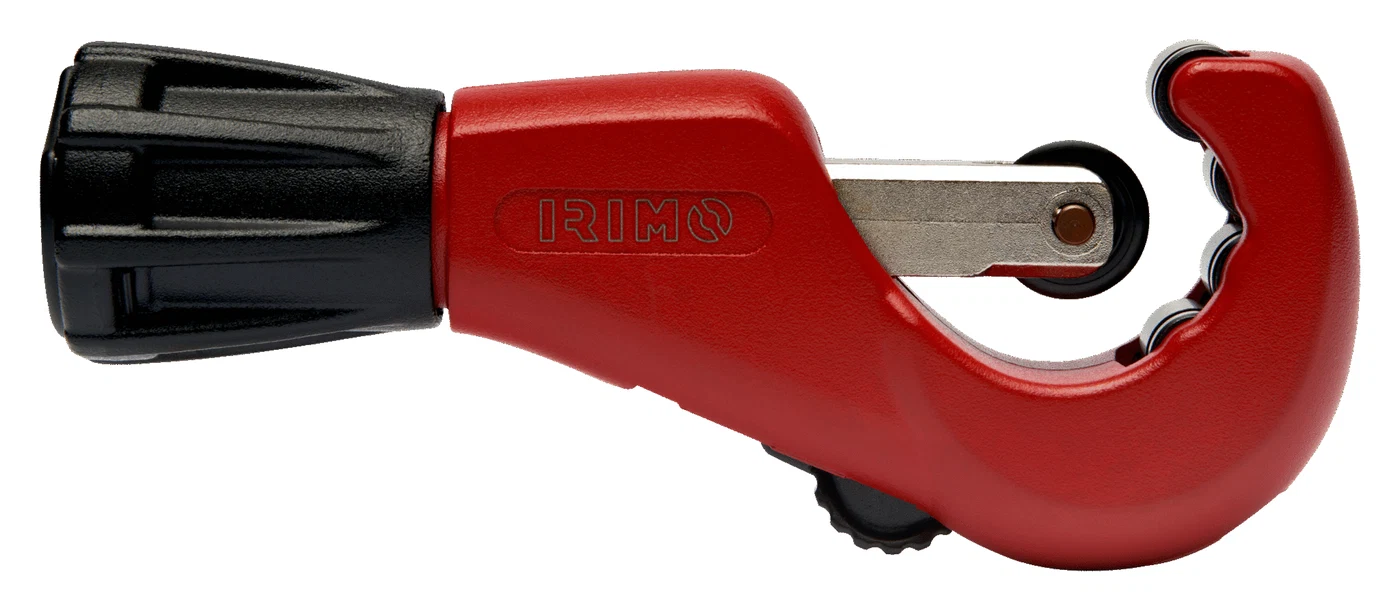
Pipe Cutter |
Tool with a sharp cutting wheel that is tightened around a pipe and rotated to make a clean, square cut. |
 |
|
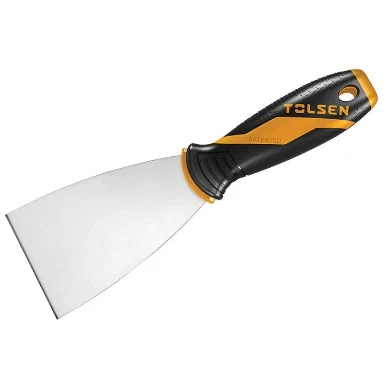
Scraper |
A tool with a flat, sharp blade used to remove paint, adhesive, or other materials from flat surfaces. |
 |
|
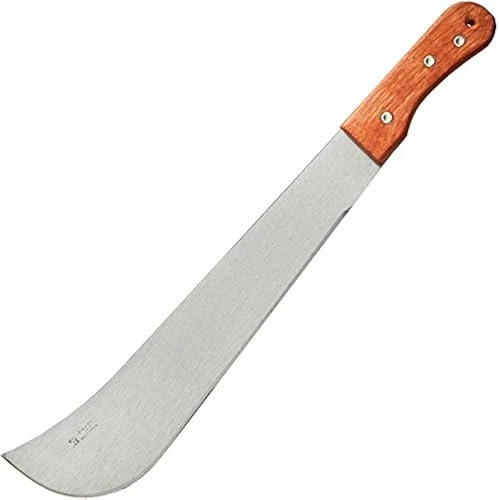
Panga / Machete |
A broad, heavy blade used for clearing vegetation, chopping wood, and agricultural tasks. |
 |
|
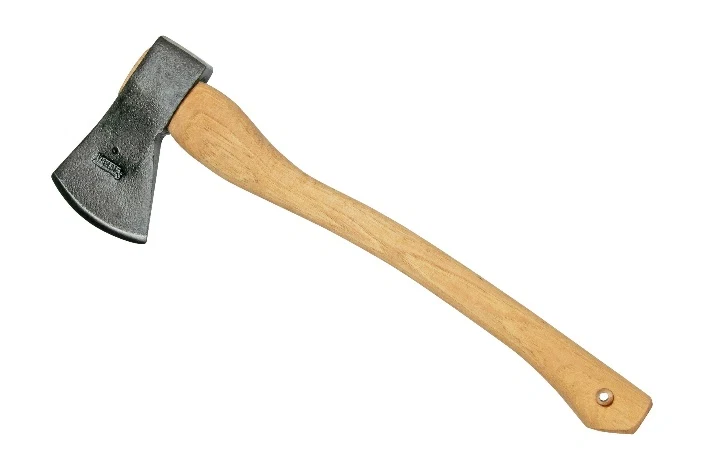
Axe |
A tool with a heavy metal blade attached to a handle, used for chopping and splitting wood. |
 |
b) Select Cutting Tools for Given Tasks in a Workplace
Choosing the right cutting tool for a job ensures efficiency, accuracy, and safety.
|
Task |
Recommended Cutting Tool |
Reason for Selection |
|---|---|---|
|
Cutting a wooden plank to length |
Handsaw |
Designed with teeth geometry and spacing for efficient wood cutting. |
|
Smoothing a rough wooden surface |
Plane |
Removes thin, even layers to create a flat, smooth finish. |
|
Cutting a metal pipe for plumbing |
Hacksaw or Pipe Cutter |
Hacksaw is versatile; pipe cutter gives a cleaner, square cut. |
|
Cutting a piece of cloth for a garment |
Scissors |
Blades are designed to shear fabric without fraying excessively. |
|
Trimming a small tree branch |
Secateurs |
Strong jaws can cut through live wood up to a certain diameter cleanly. |
|
Carving a decorative pattern in wood |
Chisel |
Allows precise removal of small amounts of wood in controlled shapes. |
|
Cutting a thick piece of leather |
Shears |
Heavy-duty blades can handle tough, fibrous materials. |
|
Cutting sheet metal for roofing |
Snips |
Specialized blades can cut through thin metal without excessive distortion. |
|
Breaking a padlock whose key is lost |
Bolt Cutter |
Powerful leverage mechanism can cut through hardened steel shackles. |
|
Removing old paint from a window frame |
Scraper |
Flat blade can lift and remove layers of paint from flat surfaces. |
|
Clearing bushes on a farm |
Panga / Machete |
Long blade provides reach and power for cutting vegetation. |
|
Splitting firewood |
Axe |
Wedge-shaped blade splits wood along the grain. |
|
Opening a cardboard box |
Utility Knife |
Sharp blade easily slices through cardboard without damaging contents. |
c) Use Cutting Tools to Perform a Given Task
Safe and correct use of cutting tools is essential to prevent injury and damage.
General Safety Rules for Using Cutting Tools:
- Wear appropriate Personal Protective Equipment (PPE): Safety glasses/goggles, gloves appropriate for the material, and sturdy footwear.
- Inspect the tool before use: Check for dull blades, loose handles, or damage. Do not use a damaged tool.
- Use the right tool for the job: Do not use a screwdriver as a chisel, or a knife as a saw.
- Secure the workpiece: Use a vice or clamps to hold the material steady. Never hold it in your hand while cutting.
- Cut away from your body: Always direct the cutting motion away from yourself and others.
- Maintain focus: Avoid distractions. Concentrate on the task.
- Keep hands behind the cutting edge: Be aware of where your fingers are at all times.
- Use sharp tools: Dull tools require more force and are more likely to slip, causing injury.
Specific Techniques for Common Tools:
|
Tool |
Proper Technique |
|---|---|
|
Utility Knife |
Extend blade only enough for the cut. Use a straight edge (ruler) as a guide. Make multiple light passes rather than one deep cut. Retract blade immediately after use. |
|
Handsaw |
Start the cut with a few backward strokes to create a groove. Use long, smooth strokes using the full length of the blade. Let the saw do the work; don't force it. |
|
Hacksaw |
Install blade with teeth pointing forward. Use steady, even strokes. Apply pressure on the forward stroke, release on the return. Use the whole length of the blade. |
|
Chisel |
Hold chisel firmly with one hand, strike with mallet using the other. Always point the cutting edge away from your body. Use a vice to hold the workpiece. |
|
Plane |
Ensure blade is sharp and properly adjusted. Push plane forward with even pressure. Lift slightly on the return stroke to avoid dulling the blade. |
Practical Task Example: Cutting a piece of wood with a handsaw
- Put on safety glasses.
- Measure and mark the cut line with a pencil and try square.
- Place the wood on a sawhorse or in a vice, with the waste side extending out.
- Hold the saw with your dominant hand, place the saw teeth just outside the waste side of the line.
- Use your thumb to guide the blade and start the cut with a few gentle backstrokes.
- Once a groove is established, use full, smooth strokes.
- Support the waste piece as you near the end of the cut to prevent splintering.
- Clean the work area and store the saw properly.
Key Inquiry Question: How do we safely and correctly use cutting tools?
d) Care for Cutting Tools in the Work Environment
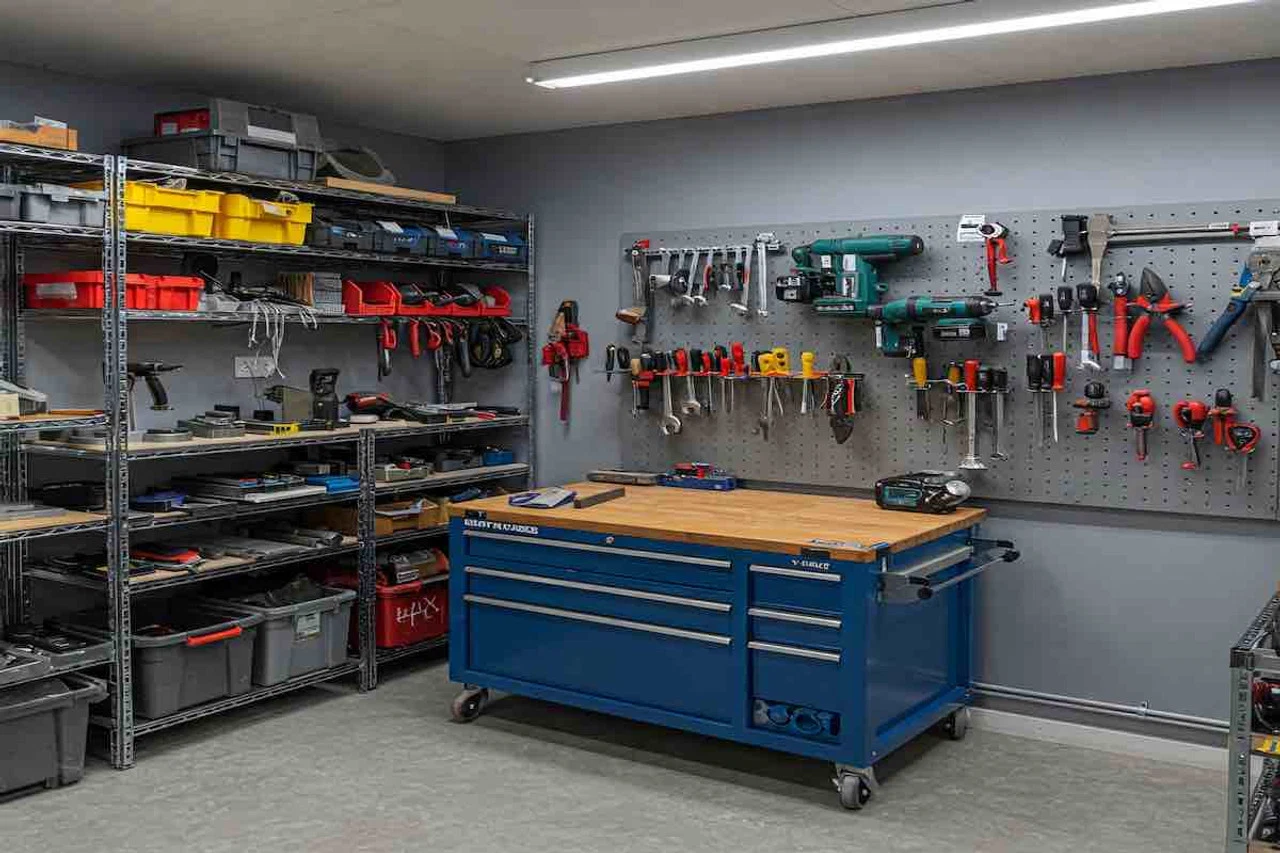
Proper care and maintenance extend the life of tools and ensure they work safely and effectively.
|
Care Practice |
Description |
Importance |
|---|---|---|
|
Clean After Use |
Remove sawdust, metal filings, sap, or dirt with a cloth or brush. For sticky residues, use appropriate solvent. |
Prevents rust, corrosion, and buildup that can dull blades or cause jamming. |
|
Keep Sharp |
Sharpen blades using appropriate sharpening tools (whetstone for chisels/planes, file for axes/machetes). Replace disposable blades. |
Sharp tools are safer and more efficient. Dull tools require excessive force. |
|
Oil Metal Parts |
Apply a light coat of machine oil or specialized tool oil to metal surfaces to prevent rust. |
Protects against corrosion, especially in humid environments. |
|
Store Properly |
Store tools in a dry place, away from moisture. Hang saws or store them in protective sheaths. Keep chisels in a rack or roll. |
Prevents accidental damage to cutting edges and reduces risk of injury. |
|
Protect Edges |
Use blade guards, sheaths, or store tools in a way that edges do not contact other metal objects. |
Maintains sharpness and prevents nicks and dings on the cutting edge. |
|
Tighten Loose Parts |
Periodically check and tighten screws, bolts, and handles. |
Prevents accidents from tool failure during use. |
|
Inspect Regularly |
Before each use, check for cracks, splinters, loose handles, or dull blades. |
Identifies potential hazards before they cause injury. |
|
Replace Worn Parts |
Replace handles that are cracked or blades that are worn beyond sharpening. |
Ensures the tool remains safe and functional. |
|
Follow Manufacturer Instructions |
Adhere to specific care guidelines provided by the tool manufacturer. |
Some tools require specialized maintenance. |
Specific Care Tips:
|
Tool |
Special Care Instructions |
|---|---|
|
Scissors/Shears |
Clean blades and pivot area. Apply a drop of oil to the pivot screw. Store in a closed position. |
|
Handsaw |
Clean teeth with a wire brush. Protect teeth with a plastic guard. Hang by the handle to prevent warping. |
|
Chisel |
Store with a plastic cap on the cutting edge. Sharpen on a whetstone, maintaining the correct bevel angle. |
|
Plane |
Retract blade when not in use. Store on its side, not on the sole. Regularly flatten and sharpen the blade. |
e) Recognise the Importance of Cutting Tools in the Work Environment
Cutting tools are fundamental to manufacturing, construction, and many other industries.
|
Importance |
Explanation |
|---|---|
|
Enable Creation of Products |
Almost every manufactured item, from furniture to electronics, involves cutting tools at some stage of production. |
|
Ensure Accuracy and Precision |
Specialized cutting tools allow workers to achieve exact dimensions, angles, and shapes required for components to fit together properly. |
|
Improve Efficiency |
The right cutting tool makes a job faster and easier. For example, a pipe cutter is much faster than a hacksaw for cutting pipe. |
|
Reduce Material Waste |
Accurate cuts mean less material is wasted. A sharp plane removes only what is necessary to smooth a surface. |
|
Enhance Product Quality |
Clean, precise cuts result in better-fitting joints and a more professional finish. |
|
Support Specialized Trades |
Each trade relies on its specific set of cutting tools: tailors need scissors, carpenters need saws, chefs need knives. |
|
Contribute to Economic Activity |
The production, sale, and maintenance of cutting tools support jobs and businesses. |
|
Promote Safety (When Used Correctly) |
Using the correct cutting tool for a task reduces the risk of accidents compared to using improvised or inappropriate tools. |