
1. Meaning of Animal Feed
Animal feed refers to food given to domesticated animals to provide nutrients required for growth, production, reproduction, and maintenance of good health.
Examples of animal feeds include:
- Grass.
- Leguminous forage.
- Hay.
- Silage.
- Crop residues.
- Commercial animal feeds.
2. Meaning of Forage
Forage refers to plant materials, especially grasses and legumes, eaten by livestock.
Forage may be grazed directly from pasture or harvested and fed to animals.
Examples include:
- Napier grass.
- Rhodes grass.
- Brachiaria grass.
- Lucerne.
- Desmodium.
- Clover.
- Natural pasture grasses.
3. Meaning of Forage Conservation
Forage conservation is the process of preserving animal feed for future use while maintaining as much of its feeding value as possible.
Farmers conserve forage during periods when pasture is abundant so that livestock can be fed when fresh pasture is scarce.
Forage conservation is particularly important in areas that experience prolonged dry seasons and drought.
4. Meaning of Hay
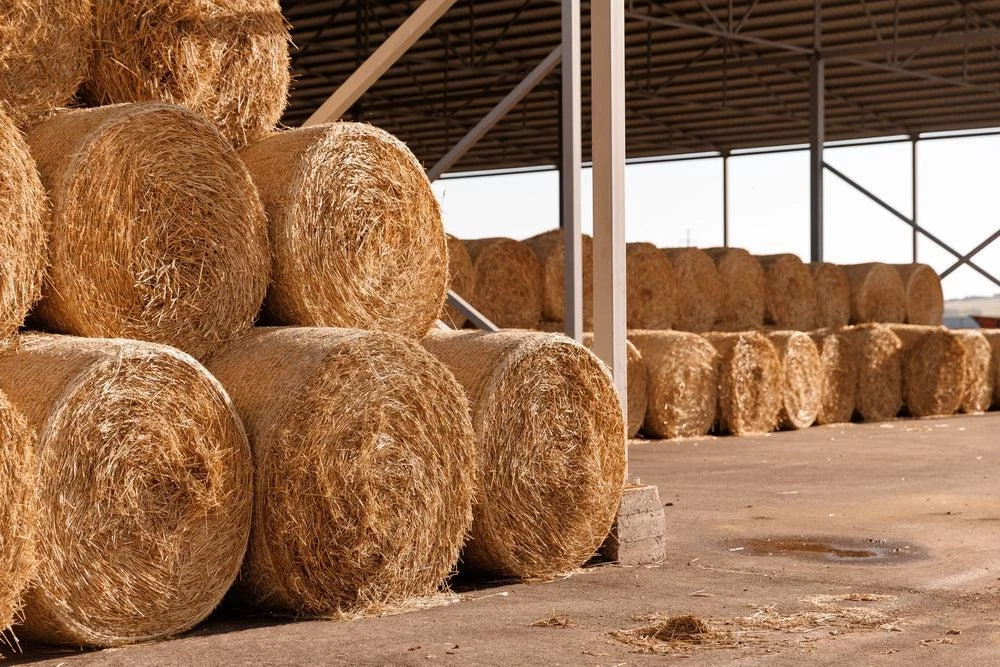
Hay is forage that has been cut and dried to a sufficiently low moisture content for safe storage and later feeding to livestock.
Hay is commonly made from grasses and legumes.
askavet.com
5. Reasons for Conserving Forage
- Provides feed during drought.
- Reduces livestock feed shortages.
- Helps maintain livestock health.
- Supports continuous milk and meat production.
- Reduces dependence on expensive purchased feeds.
- Prevents wastage of excess pasture.
- Helps farmers plan livestock feeding.
- Maintains animal productivity during dry seasons.
- Reduces overgrazing.
- Provides feed reserves for emergencies.
6. Methods of Conserving Forage
A. Hay Making
Hay making involves cutting forage and drying it to reduce moisture before storage.
The forage is dried in the field or under suitable protected conditions.
Examples of forage suitable for hay making:
- Rhodes grass.
- Lucerne.
- Desmodium.
- Suitable natural pasture grasses.
B. Silage Making
Silage making involves preserving moist green forage through controlled fermentation in an airtight environment.
Silage is usually stored in pits, trenches, silos, or suitable airtight bags.
Common silage materials include maize, sorghum, and suitable grasses.
C. Standing Hay
Standing hay involves leaving mature pasture uncut or ungrazed so that it remains available for animals during a later period.
It is generally less nutritious than properly prepared hay because forage becomes mature and weathered.
7. Differences Between Hay and Silage
|
Hay |
Silage |
|---|---|
|
Made by drying forage. |
Made by fermenting moist forage. |
|
Has low moisture content. |
Contains considerably more moisture. |
|
Usually stored in bales or dry stacks. |
Stored in airtight structures or containers. |
|
Requires sufficient drying conditions. |
Requires proper compaction and exclusion of air. |
|
Poor drying can lead to mold and heating. |
Poor sealing can lead to spoilage. |
8. Materials and Tools Required for Hay Making
Materials:
- Fresh suitable forage.
- Clean twine or baling material.
- Clean storage space.
Tools and equipment:
- Sickle or scythe.
- Rake.
- Wheelbarrow.
- Pitchfork.
- Tarpaulin or clean drying surface.
- Moisture testing equipment, if available.
- Baling equipment, where available.
9. Procedure for Making Hay
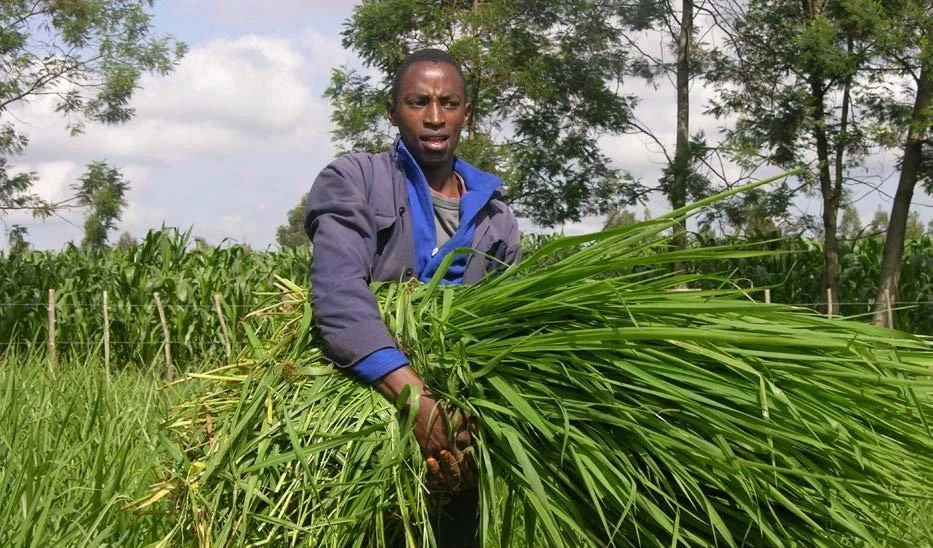
Step 1: Select suitable forage
Choose healthy forage with good feeding value. Avoid forage contaminated with chemicals, poisonous plants, or excessive soil.
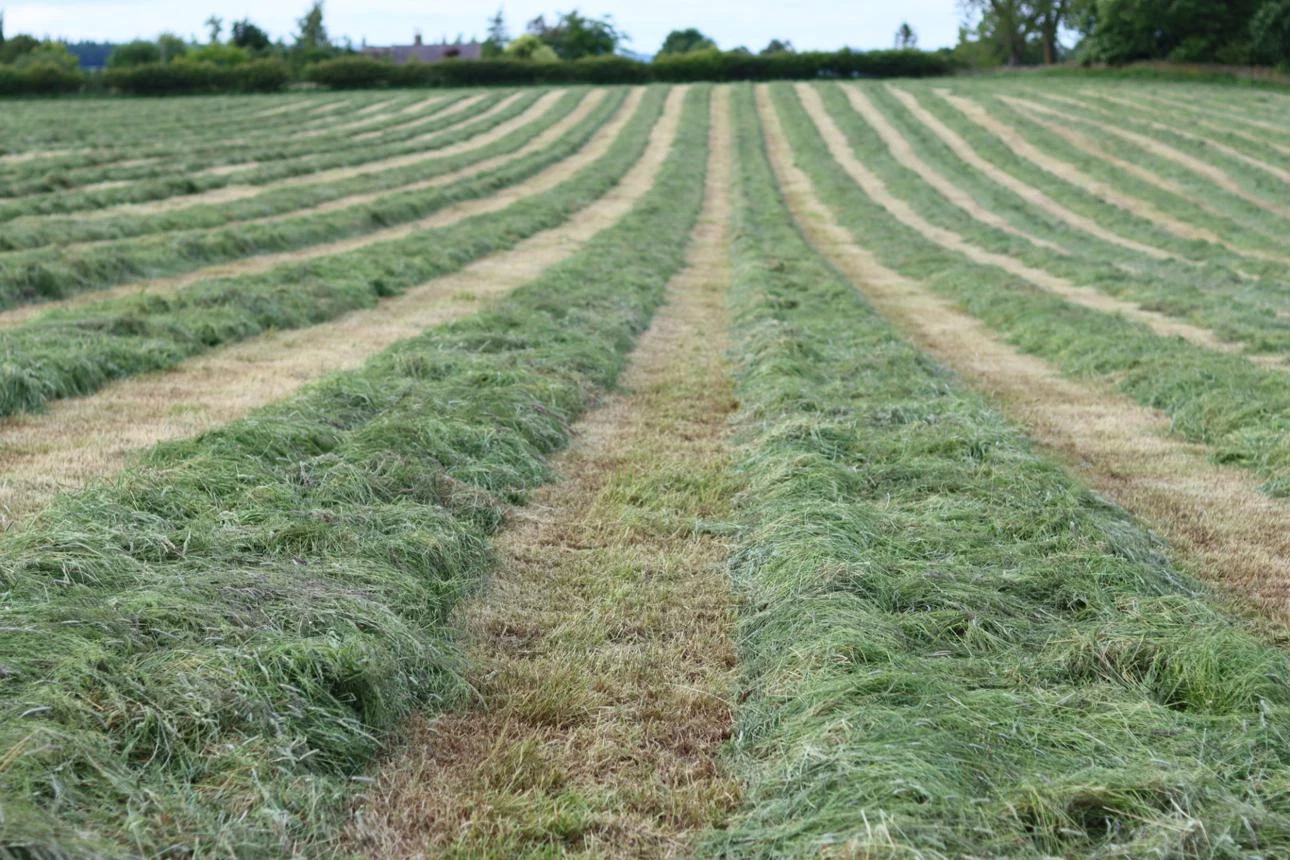
Step 2: Harvest and spread
Cut forage at a suitable growth stage, commonly around early flowering for many forage crops. Spread it thinly on a clean drying surface.
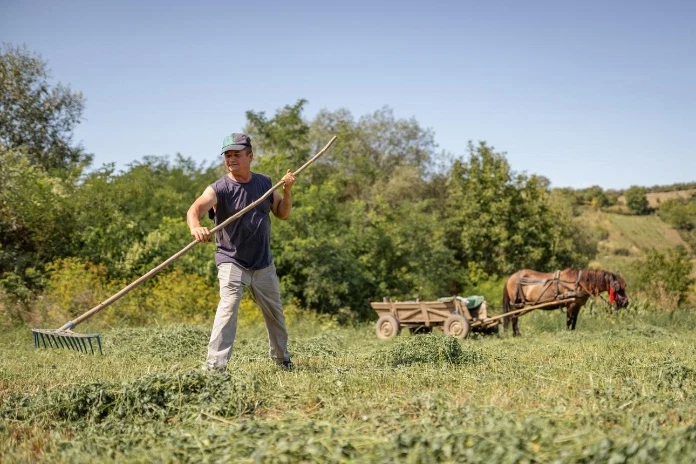
Step 3: Dry the forage
Allow the forage to dry under favorable conditions. Turn it carefully to promote uniform drying and prevent spoilage.
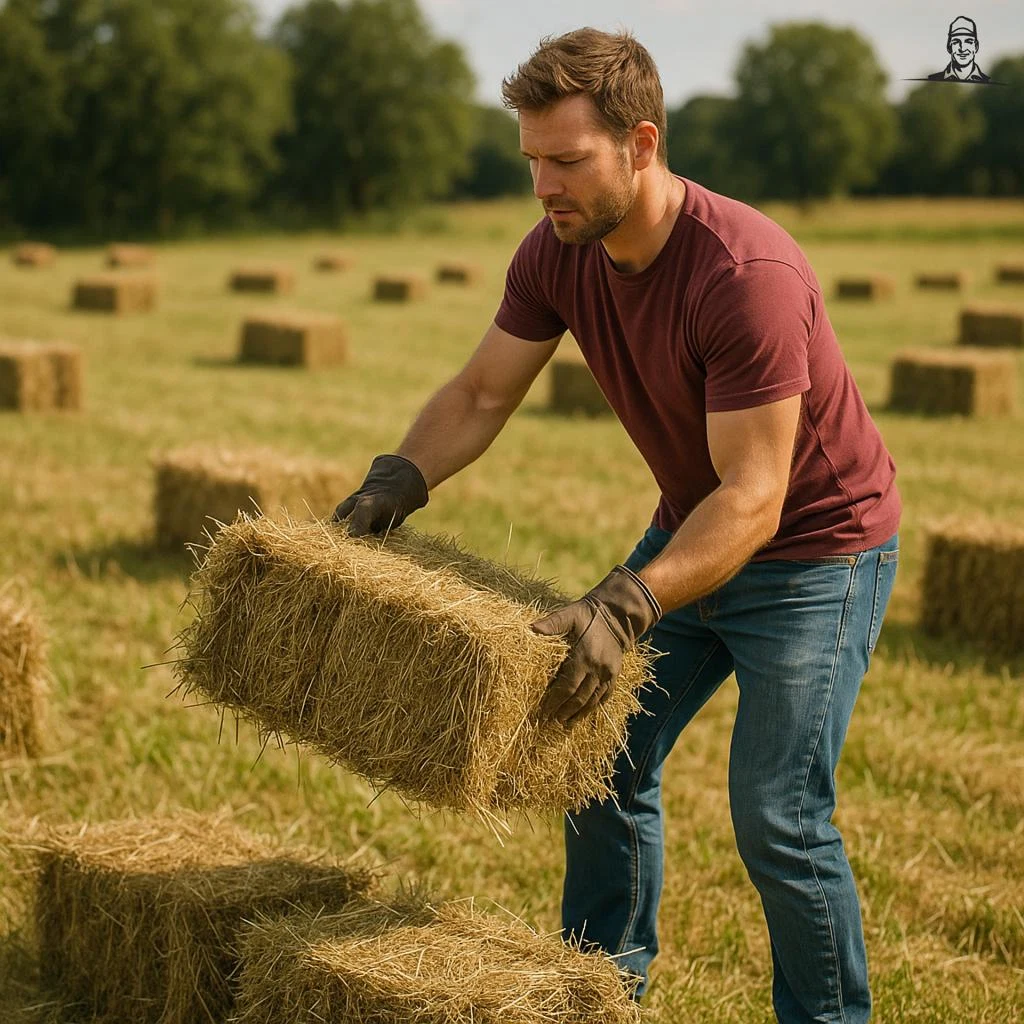
Step 4: Check dryness and bale
Ensure the forage is sufficiently dry before compacting it into bales. Moist hay can develop mold or overheat in storage.
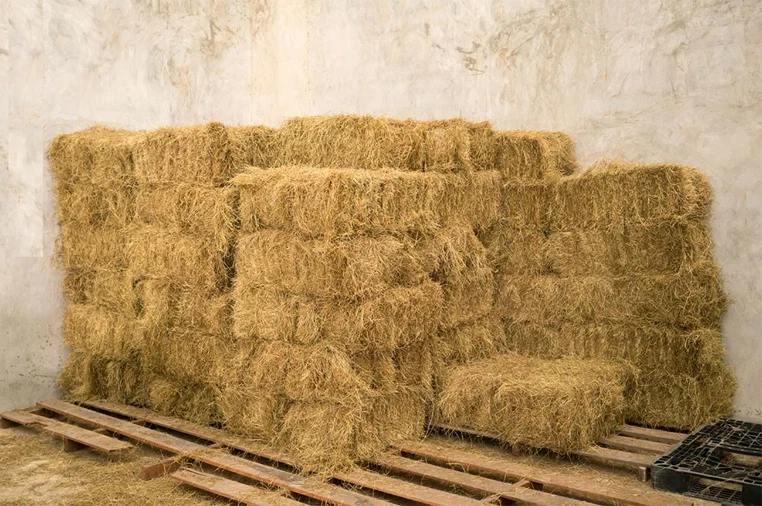
Step 5: Store properly
Store hay in a clean, dry, ventilated structure, protected from rain, ground moisture, pests, and fire.
10. Characteristics of Good-Quality Hay
- Has a fresh, pleasant hay smell.
- Is sufficiently dry for safe storage.
- Contains many leaves.
- Has a greenish color where properly cured.
- Is free from mold.
- Is free from excessive dust.
- Is free from foreign objects.
- Contains no poisonous plants.
- Has been harvested at an appropriate stage.
- Has been stored without excessive moisture.
11. Characteristics of Poor-Quality Hay
- Moldy appearance.
- Unpleasant or musty smell.
- Excessive dust.
- Very coarse stems.
- Excessive leaf loss.
- Contamination with soil or foreign materials.
- Signs of heating or spoilage.
- Damage caused by rain.
Important: Moldy or spoiled hay should not be fed to livestock.
12. Advantages of Hay Making
- Hay can be stored for extended periods when properly dried.
- It helps farmers manage drought.
- It is relatively convenient to transport.
- It may be sold to other livestock farmers.
- It reduces pasture wastage.
- It provides feed when fresh grass is unavailable.
13. Challenges of Hay Making
- Unexpected rainfall during drying.
- Inadequate drying space.
- Loss of leaves during handling.
- Poor storage facilities.
- Risk of mold growth.
- Labor requirements.
- Fire risk when hay is stored improperly.
- Reduction in feed quality when forage is harvested too late.
14. Safety Precautions During Hay Making
- Handle cutting tools carefully.
- Wear suitable footwear and gloves.
- Avoid working with sharp tools without supervision.
- Keep drying areas clean.
- Do not store wet hay.
- Keep stored hay away from fire.
- Avoid inhaling dust from stored forage.
- Report signs of excessive heating or spoilage.
- Use safe lifting methods when moving bales.
Practical Learning Activities
- Identify forage plants suitable for hay making.
- Compare fresh grass and dried hay.
- Demonstrate hay making using a small amount of suitable grass.
- Identify characteristics of good hay.
- Discuss ways of preserving hay during rainy weather.
Revision Questions
- Define forage.
- What is forage conservation?
- Explain the meaning of hay.
- Identify five forage crops suitable for hay making.
- State five reasons for conserving animal feed.
- Differentiate between hay and silage.
- Describe the procedure for making hay.
- State six characteristics of good-quality hay.
- Explain five challenges experienced during hay making.
- Describe five precautions when storing hay.