
1. Meaning of Leftover Food
Leftover food refers to food that remains after a meal or food preparation and can still be safely consumed or used.
Examples of leftover food include:
- Cooked rice.
- Chapati.
- Ugali.
- Cooked beans.
- Cooked vegetables.
- Bread.
- Cooked potatoes.
- Fruits and suitable fruit pieces.
Not all leftover food is safe to reuse. Food that has spoiled or been stored unsafely should be discarded.
2. Meaning of Food Conservation
Food conservation involves preventing unnecessary food loss and wastage through proper handling, storage, preservation, and responsible use.
3. Meaning of Food Wastage
Food wastage occurs when food that could otherwise have been used safely is unnecessarily discarded or allowed to spoil.
Examples include:
- Cooking more food than required.
- Allowing prepared meals to spoil.
- Storing food improperly.
- Throwing away safe, edible food.
- Buying more perishable food than can be used.
4. Causes of Food Wastage at Home
- Preparing excessive amounts of food.
- Poor meal planning.
- Improper food storage.
- Failure to use food before it spoils.
- Poor food handling.
- Buying more food than needed.
- Contamination during preparation.
- Lack of suitable storage facilities.
- Failure to inspect stored food.
- Unnecessary disposal of safe leftovers.
5. Importance of Conserving Leftover Food
A. Reduces Food Wastage
Conserving leftovers ensures that safe food is used instead of being discarded.
B. Saves Money
Families spend less money replacing food that would otherwise be wasted.
C. Promotes Food Security
Proper food use helps households make better use of available food supplies.
D. Conserves Natural Resources
Producing food requires land, water, energy, and labor. Preventing wastage reduces unnecessary resource use.
E. Protects the Environment
Reducing food waste helps decrease the amount of organic waste requiring disposal.
F. Encourages Responsible Consumption
Household members learn to value food and plan meals carefully.
6. Methods of Conserving Leftover Food
A. Refrigeration
Refrigeration involves storing food at low temperatures to slow microbial growth and spoilage.
Cooked leftovers should be cooled promptly and refrigerated within two hours, or sooner in very hot conditions.
A refrigerator should generally be kept at 4°C or below.
B. Freezing
Freezing involves storing food at very low temperatures to preserve it for longer periods.
A household freezer is commonly maintained at approximately −18°C.
C. Reusing Leftovers in Other Meals
Safe leftovers may be transformed into new dishes.
Examples include:
- Leftover rice used to prepare fried rice.
- Cooked potatoes made into potato patties.
- Leftover vegetables added to a fresh dish.
- Chapati served with a freshly prepared filling.
D. Portion Control
Portion control involves preparing and serving appropriate amounts of food.
It reduces the chances of excess food remaining after meals.
E. Proper Packaging
Food should be stored in clean, food-safe containers with suitable covers.
Containers help reduce contamination and make storage easier.
7. Safe Handling of Leftover Food
- Wash hands before handling food.
- Use clean utensils.
- Avoid mixing fresh food with spoiled food.
- Refrigerate perishable leftovers promptly.
- Use shallow containers for faster cooling.
- Store raw and cooked foods separately.
- Reheat suitable leftovers thoroughly.
- Avoid repeated unnecessary reheating.
- Check storage times.
- Discard leftovers when their safety is uncertain.
Important: Reheating cannot reliably make food safe after improper storage. Cooked rice is particularly sensitive to unsafe cooling and storage because some bacteria can produce toxins that reheating may not destroy.
8. Preparing Meals Using Leftover Food
Example 1: Fried Rice from Properly Stored Leftover Rice
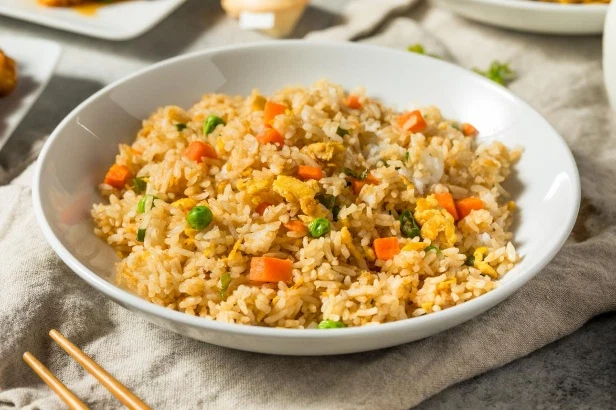
Ingredients:
- Safely refrigerated cooked rice.
- Chopped onions.
- Carrots.
- Peas.
- Cooking oil.
- Seasoning.
Procedure:
- Wash hands and clean the working area.
- Prepare the vegetables.
- Heat cooking oil in a suitable pan.
- Add onions and cook.
- Add vegetables and cook until done.
- Add the refrigerated rice.
- Stir and heat thoroughly until steaming hot throughout, ideally reaching 74°C.
- Serve immediately.
Use only rice that was cooled and refrigerated promptly after the original meal.
Example 2: Potato Patties
Ingredients:
- Safely stored cooked potatoes.
- Chopped onions.
- Suitable seasoning.
- A small amount of flour, if required.
- Cooking oil.
Procedure:
- Mash the cooked potatoes.
- Mix them with onions and seasoning.
- Shape the mixture into small patties.
- Cook thoroughly in a lightly oiled pan.
- Serve while hot.
9. Signs of Spoiled Food
- Visible mold.
- Unusual discoloration.
- Slimy texture.
- Unpleasant smell.
- Unusual gas formation in suitable food containers.
Some dangerous microorganisms do not change the appearance, smell, or taste of food. Therefore, food may be unsafe even when it appears normal.
10. Advantages of Proper Leftover Food Conservation
- Reduces household expenses.
- Promotes food security.
- Minimizes waste.
- Saves preparation time.
- Encourages creativity in cooking.
- Conserves resources.
- Supports responsible food management.
Practical Learning Activities
- Identify common leftover foods at home.
- Discuss causes of food wastage.
- Prepare a simple dish using safely stored leftovers.
- Demonstrate correct food packaging.
- Prepare a family meal plan to reduce food waste.
Revision Questions
- Define leftover food.
- Explain food conservation.
- State six causes of food wastage.
- Explain five reasons for conserving leftover food.
- Describe five safe methods of managing leftovers.
- State six food hygiene precautions.
- Describe how to prepare a meal using safe leftover food.
- Explain why improperly stored leftover food should not be consumed.