
1. Meaning of metals and alloys
A metal is an element with characteristic properties such as high electrical conductivity and malleability.
An alloy is a mixture of a metal with one or more other elements, produced to obtain useful properties.
For example, brass is an alloy containing mainly copper and zinc.
2. Physical properties of metals
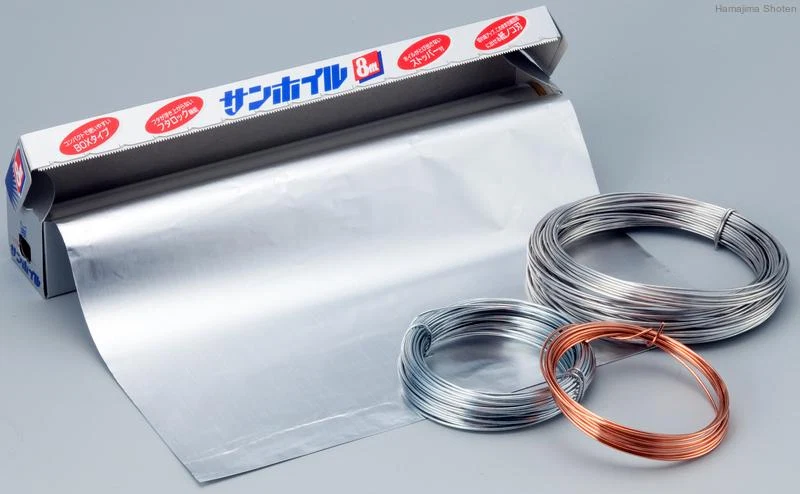
hamajima.co.jp
Lustre: Metals are usually shiny when freshly cut or polished.
Malleability: Metals can be hammered or rolled into thin sheets without breaking. Aluminium is used to make foil.
Ductility: Metals can be drawn into wires. Copper is used for electrical wiring.
Thermal conductivity: Metals allow heat to pass through them. Aluminium and copper are used in cooking utensils.
Electrical conductivity: Metals allow electric current to flow. Copper and aluminium are used in electrical cables.
Sonority: Some metals produce ringing sounds when struck.
Strength: Many metals withstand considerable forces without breaking.
High melting points: Most metals have relatively high melting points, although there are exceptions.
3. Common alloys and their composition
|
Alloy |
Main composition |
Common uses |
|---|---|---|
|
Brass |
Copper and zinc |
Door handles, taps, ornaments and musical instruments |
|
Bronze |
Copper and tin |
Statues, medals, bearings |
|
Stainless steel |
Iron, chromium, often nickel and carbon |
Cutlery, sinks, hospital equipment |
|
Carbon steel |
Iron and carbon |
Construction materials, tools |
|
Solder |
Commonly tin-based, with other metals |
Joining electrical components |
|
Duralumin |
Mainly aluminium with copper, magnesium and manganese |
Aircraft components |
|
Nichrome |
Nickel and chromium, sometimes iron |
Heating elements |
The exact proportions and additional ingredients of an alloy vary according to its grade and intended use.
4. Importance of alloys
Alloys may be preferred to pure metals because they can offer improved strength, hardness, durability, corrosion resistance and resistance to wear.
Example: Stainless steel is often preferred for kitchen sinks because it resists corrosion and is easy to clean.
5. Uses of metals and alloys in everyday life
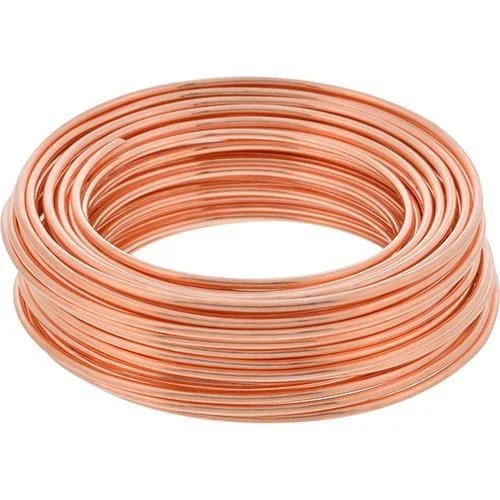
Copper: Electrical wiring and plumbing

Stainless steel: Kitchen and medical equipment

Steel: Construction and reinforcement
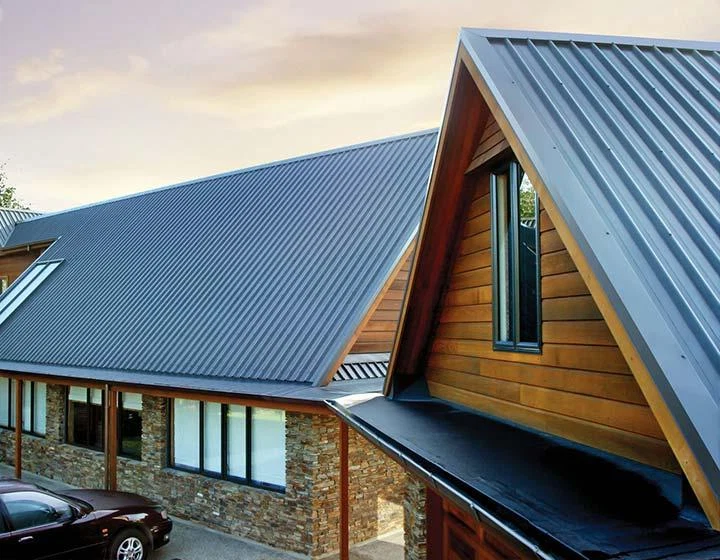
Aluminium alloys: Roofing and lightweight structures
6. Rusting of metals
Rusting is the chemical reaction of iron or steel with oxygen and water to form hydrated iron(III) oxide, commonly called rust.
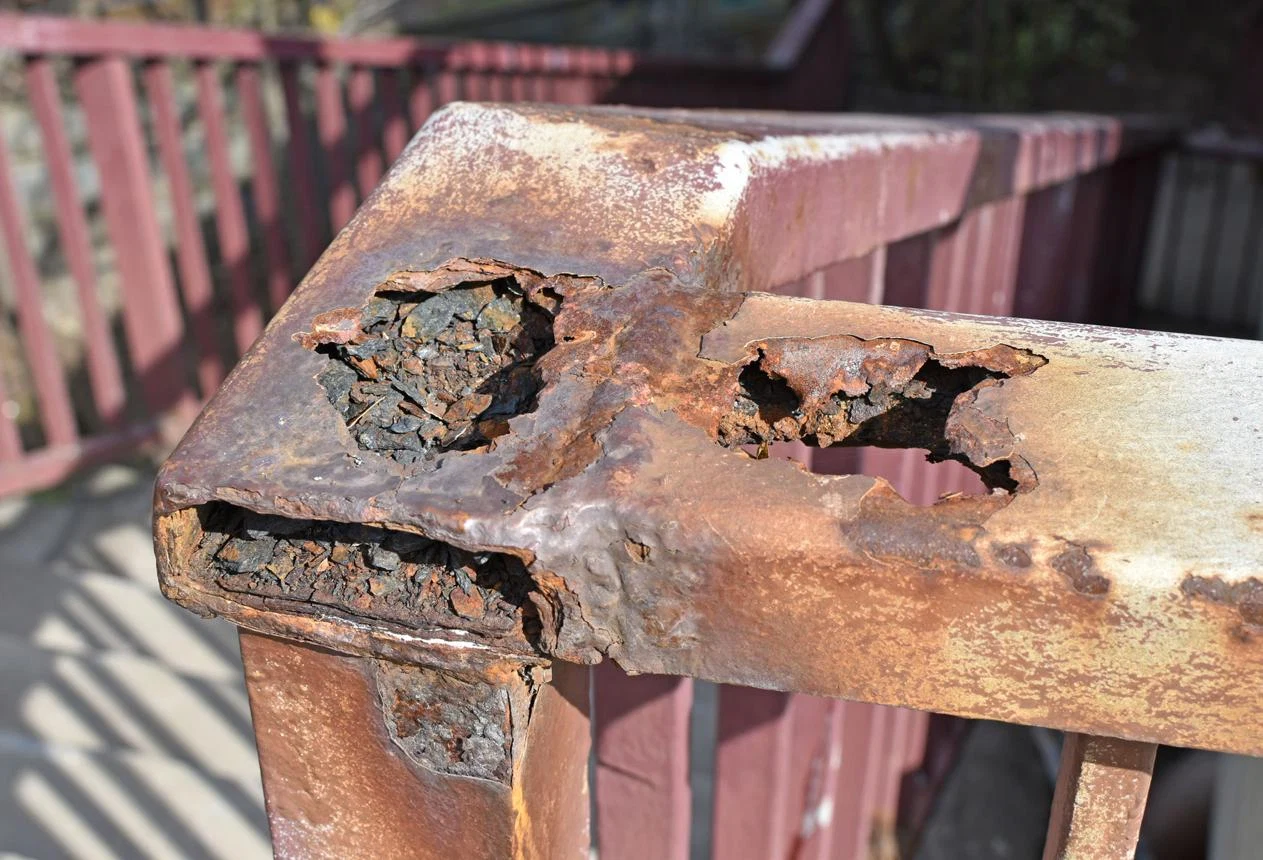
Conditions necessary for rusting
- Presence of water or moisture.
- Presence of oxygen.
Salt in water can increase the rate of corrosion.
A simplified word equation is:
7. Effects of rusting
- Weakening of bridges, buildings and metal structures.
- Damage to vehicles, farm tools and household equipment.
- Increased maintenance and replacement costs.
- Leakage in iron pipes and storage tanks.
- Reduced strength and appearance of metal objects.
- Potential accidents when metal structures become unsafe.
8. Methods of preventing rusting
|
Method |
Explanation |
|---|---|
|
Painting |
Prevents water and oxygen from reaching iron |
|
Oiling or greasing |
Creates a protective coating |
|
Galvanising |
Covers iron or steel with zinc |
|
Electroplating |
Covers a metal with another protective metal |
|
Plastic coating |
Creates a barrier against moisture |
|
Alloying |
Produces corrosion-resistant alloys, such as stainless steel |
9. Practical investigation: Conditions necessary for rusting
Materials: Three clean iron nails, three test tubes, water, boiled water, oil, anhydrous calcium chloride and stoppers.
Procedure
- Put an iron nail in test tube A with ordinary water and air above it.
- Put another nail in test tube B with boiled water and add a layer of oil to limit oxygen entering the water.
- Put a dry nail in test tube C with anhydrous calcium chloride to keep the air dry, using a stopper.
- Leave the tubes undisturbed for several days.
- Record observations.
|
Test tube |
Conditions |
Expected observation |
|---|---|---|
|
A |
Water and oxygen |
Nail rusts |
|
B |
Water with very little dissolved oxygen |
Little or no rust |
|
C |
Dry air |
Little or no rust |
Conclusion: Both water and oxygen are necessary for ordinary rusting of iron.
Safety: Anhydrous calcium chloride can irritate skin and eyes. Handle it with teacher supervision and avoid touching it directly.