
1.1 Meaning of Raised Platforms
A raised platform is a structure or surface that is higher than the surrounding ground or floor and is used to support people or materials when performing tasks.
Raised platforms enable people to work safely at heights that would otherwise be difficult to reach.
Examples of tasks performed on raised platforms
- Painting walls and ceilings.
- Repairing roofs.
- Installing electrical fittings.
- Cleaning high windows.
- Harvesting fruits from tall trees.
- Constructing buildings.
- Repairing and maintaining equipment installed at heights.
- Arranging goods on high shelves.
1.2 Types of Raised Platforms
1. Ladders
A ladder is equipment consisting of steps or rungs between two side supports. It is used to climb to higher places.

Uses of ladders:
- Painting walls.
- Changing light bulbs.
- Accessing high shelves.
- Cleaning high windows.
- Carrying out minor maintenance work.
Safety precautions:
- Place ladders on firm, level ground.
- Inspect ladders before use.
- Maintain three points of contact when climbing.
- Avoid standing on the top step unless it is designed for standing.
- Do not overstretch while using a ladder.
2. Scaffolds
A scaffold is a temporary raised structure used to support workers, tools, and materials during construction, repair, or maintenance.
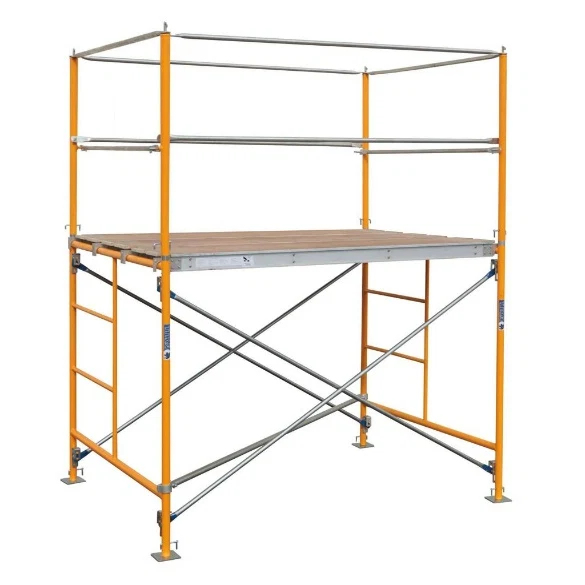
Uses of scaffolds:
- Constructing tall buildings.
- Painting exterior walls.
- Repairing buildings.
- Plastering high walls.
- Installing fittings at heights.
Safety precautions:
- Ensure scaffolds are properly assembled.
- Use guardrails to prevent falls.
- Avoid overloading the platform.
- Inspect scaffolds before use.
- Only trained and authorized people should erect or modify scaffolds.
3. Step Stools
A step stool is a small portable platform with one or more steps used to reach objects slightly above normal reach.
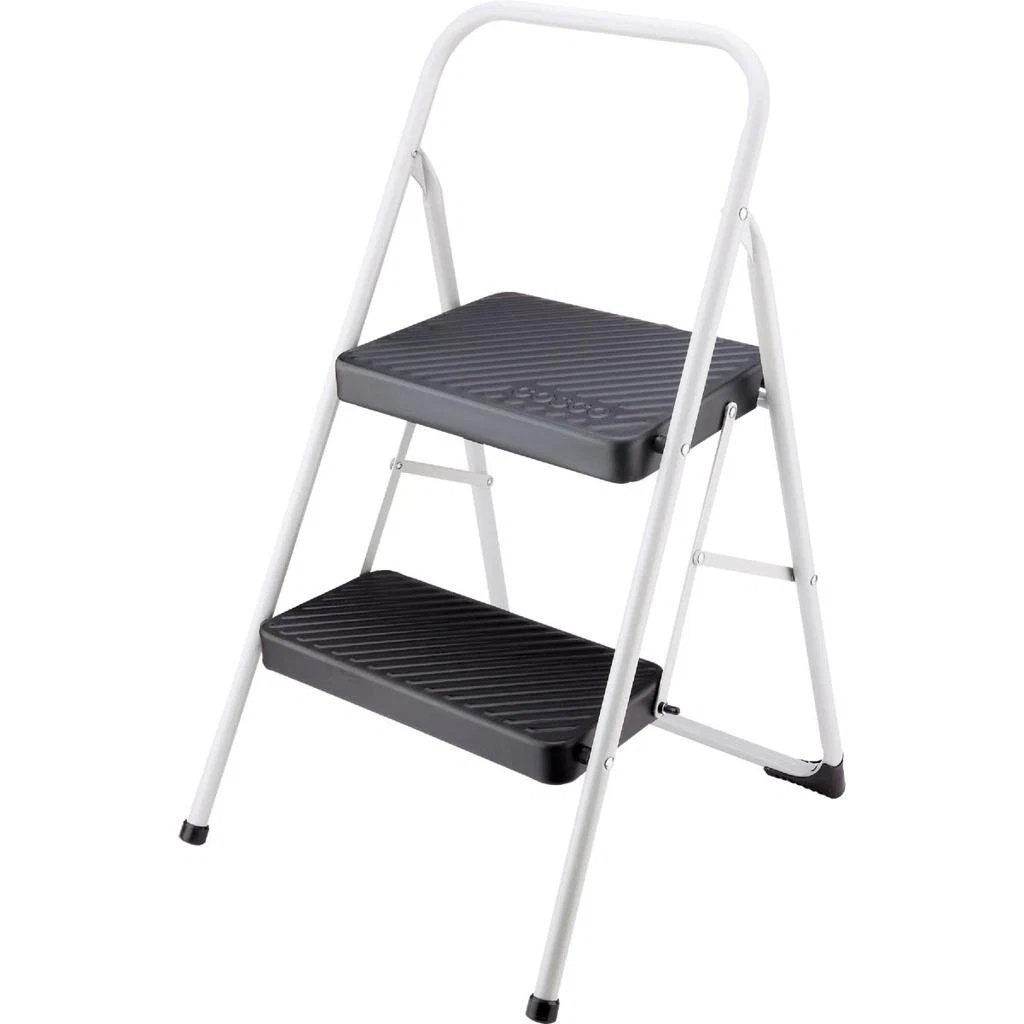
Uses:
- Reaching high shelves.
- Arranging books.
- Cleaning cupboards.
- Accessing items in storage areas.
Safety precautions:
- Use a strong, stable step stool.
- Place it on level ground.
- Avoid standing on damaged step stools.
- Do not lean too far sideways.
4. Mobile Elevated Work Platforms
A mobile elevated work platform is a mechanical device that lifts workers to a required working height.
Examples include scissor lifts and boom lifts.
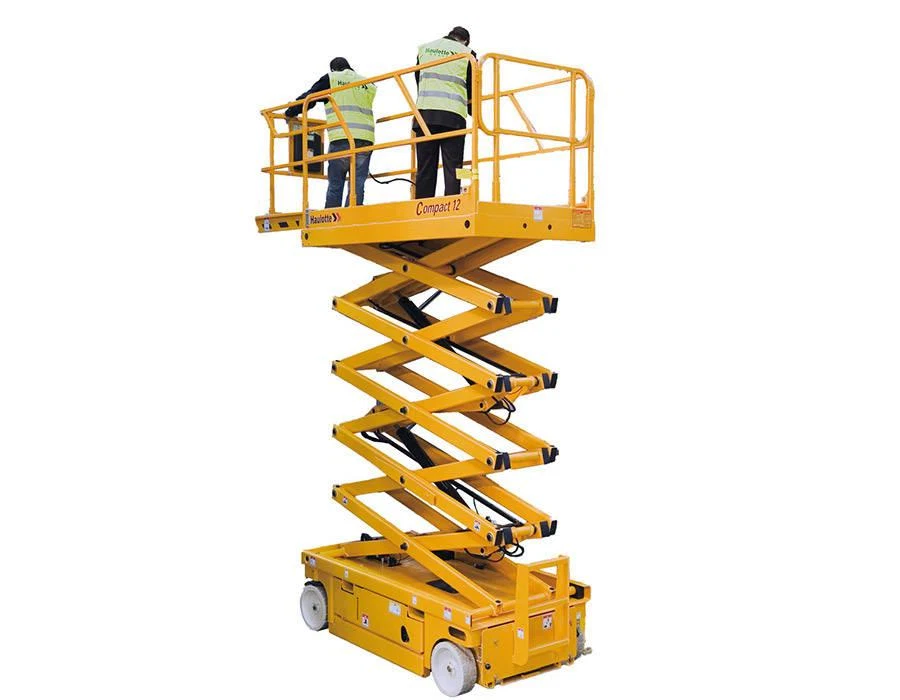
Uses:
- Repairing streetlights.
- Maintaining buildings.
- Installing overhead equipment.
- Cleaning high structures.
Safety precautions:
- Only trained and authorized operators should use the equipment.
- Check the working area for hazards.
- Follow the manufacturer's operating instructions.
- Do not exceed the recommended load.
- Use required fall protection.
5. Work Platforms
A work platform is a stable elevated surface designed to support workers while carrying out particular tasks.
They may be fixed or portable.
Examples:
- Elevated maintenance platforms.
- Industrial work platforms.
- Construction working platforms.
Safety precautions:
- Ensure the platform is strong and stable.
- Keep the surface clear of obstacles.
- Use guardrails where required.
- Avoid overcrowding.
1.3 Risks Associated with Working on Raised Platforms
A risk is the possibility of injury, damage, or harm occurring as a result of exposure to a hazard.
Working on raised platforms presents several risks.
|
Risk |
Explanation |
|---|---|
|
Falling from heights |
A person may lose balance and fall from the platform. |
|
Slipping |
Wet, oily, or slippery surfaces may cause a person to slip. |
|
Tripping |
Tools and other objects may cause workers to trip. |
|
Falling objects |
Tools or materials may fall and injure people below. |
|
Platform collapse |
A weak or overloaded platform may break or collapse. |
|
Electric shock |
A person or equipment may come into contact with electricity. |
|
Equipment failure |
A damaged ladder or lifting mechanism may fail. |
|
Unstable surfaces |
An uneven or weak base may cause the platform to tip over. |
|
Bad weather |
Strong winds and rain can make outdoor elevated work dangerous. |
1.4 Safety Measures When Working on Raised Platforms
A. Before using a raised platform
- Inspect the platform for damage.
- Ensure the platform is properly positioned.
- Check that the ground is firm and level.
- Remove unnecessary objects from the working area.
- Identify overhead electrical wires and other hazards.
- Ensure that the platform can support the intended load.
- Wear appropriate personal protective equipment (PPE).
- Seek guidance from a qualified supervisor.
B. While using a raised platform
- Avoid running or playing on the platform.
- Do not overload the platform.
- Keep tools and materials properly arranged.
- Avoid leaning beyond the platform's safe working area.
- Use guardrails and fall protection where required.
- Avoid using damaged equipment.
- Follow the supervisor's safety instructions.
- Stop working when conditions become unsafe.
C. After using a raised platform
- Remove tools and materials safely.
- Clean the working area.
- Report any damage to the platform.
- Store portable equipment correctly.
- Return protective equipment to its designated place.
1.5 Personal Protective Equipment Used When Working at Heights
Personal protective equipment refers to clothing or equipment worn to reduce exposure to workplace hazards.
|
Equipment |
Function |
|---|---|
|
Safety helmet |
Protects the head against falling objects and impacts. |
|
Safety shoes |
Protect the feet and help prevent slips. |
|
Safety harness |
Helps protect against falls when connected to a suitable fall-arrest system. |
|
Gloves |
Protect the hands from cuts and other injuries. |
|
Safety goggles |
Protect the eyes from dust and flying particles. |
|
Reflective vest |
Makes workers easily visible. |
Important: Protective equipment does not replace safe platforms, proper training, guardrails, and supervision.
1.6 Importance of Observing Safety on Raised Platforms
Observing safety is important because it:
- Prevents falls and serious injuries.
- Protects workers and other people nearby.
- Prevents damage to equipment and materials.
- Reduces workplace accidents.
- Encourages responsible behavior.
- Promotes confidence when performing tasks.
- Reduces financial losses caused by accidents.
- Creates a safe working environment.
Learning Activities
- Identify pictures of different raised platforms.
- Describe the uses of ladders, scaffolds, and step stools.
- Discuss risks associated with working at heights.
- Demonstrate safe use of a low step stool under supervision.
- Draw and label a raised platform.
Revision Questions
- What is a raised platform?
- Name five types of raised platforms.
- State four uses of ladders.
- Explain five risks associated with working on raised platforms.
- State six safety precautions when working at heights.
- Identify four pieces of protective equipment used when working on raised platforms.
- Explain five reasons for observing safety when working at heights.
- Why should a damaged ladder not be used?