
3.1 Meaning of Self-Exploration
Self-exploration is the process of discovering and understanding one's interests, talents, abilities, strengths, weaknesses, values, and personal goals.
Self-exploration helps individuals understand themselves and make informed decisions about education and future careers.
Importance of Self-Exploration
- Helps individuals identify their talents.
- Enables learners to discover their interests.
- Promotes self-confidence.
- Helps learners recognize their strengths and weaknesses.
- Guides learners in choosing suitable careers.
- Encourages personal growth.
- Helps individuals set achievable goals.
- Promotes responsible decision-making.
3.2 Meaning of Talents and Abilities
Talent
A talent is a natural skill or special ability that enables a person to perform certain activities well.
Talents may become stronger through practice and training.
Examples of talents:
- Singing
- Dancing
- Drawing
- Acting
- Storytelling
- Playing football
- Public speaking
- Creative writing
- Designing objects
- Playing musical instruments
Ability
An ability is the capacity to perform a task successfully. Abilities can be natural or developed through learning, practice, and experience.
Examples of abilities:
- Solving mathematical problems.
- Repairing simple equipment.
- Communicating clearly.
- Operating computers.
- Organizing activities.
- Working with others.
- Designing and making items.
- Solving technical problems.
Difference Between Talent and Ability
|
Talent |
Ability |
|---|---|
|
Often begins as a natural strength. |
May be natural or learned. |
|
Can be discovered at an early age. |
Can develop through education and experience. |
|
Improves through practice. |
Improves through training and repeated practice. |
|
Example: Natural singing talent. |
Example: Ability to operate a computer. |
3.3 Ways of Identifying Talents and Abilities
A learner can discover talents and abilities through the following methods:
1. Self-Assessment
Self-assessment involves examining one's interests, strengths, and areas requiring improvement.
A learner may ask:
- What activities do I enjoy?
- What tasks can I perform well?
- What subjects interest me?
- What skills would I like to improve?
2. Participating in Different Activities
Participating in sports, music, science, art, and technical activities helps learners discover their strengths.
3. Seeking Feedback
Teachers, parents, friends, and mentors can help identify an individual's talents and abilities.
4. Observing Personal Performance
Learners can identify activities in which they consistently perform well.
5. Trying New Experiences
Trying new activities enables learners to discover abilities they may not have recognized.
3.4 Ways of Nurturing Talents and Abilities for Self-Development
Nurturing talents and abilities means identifying, developing, and improving personal strengths through learning, practice, and support.
1. Regular Practice
Practicing a skill frequently improves performance.
For example, a learner talented in drawing can improve by drawing regularly.
2. Education and Training
Attending school, workshops, training programs, and clubs helps develop knowledge and skills.
3. Seeking Guidance and Mentorship
A mentor is an experienced person who provides advice, support, and encouragement.
Mentors help learners identify areas for improvement.
4. Participating in Competitions
Competitions enable learners to test their abilities and learn from others.
Examples include:
- Science fairs
- Sports competitions
- Music festivals
- Art exhibitions
- Public speaking competitions
- Innovation contests
5. Setting Personal Goals
A goal is something a person plans to achieve.
Learners should set clear and achievable goals to improve their abilities.
Example: A learner interested in computer programming may set a goal of learning to create a simple program.
6. Joining Clubs and Societies
School clubs provide opportunities for learners to develop different skills.
Examples include:
- Science clubs
- Environmental clubs
- Drama clubs
- Music clubs
- ICT clubs
- Sports clubs
7. Learning from Successful People
Learners can improve their skills by observing and learning from people who have succeeded in their areas of interest.
8. Using Available Resources
Books, computers, learning materials, tools, and other resources support talent development.
9. Accepting Constructive Criticism
Constructive criticism helps individuals recognize their mistakes and improve their performance.
10. Maintaining Discipline and Determination
Discipline, patience, commitment, and determination are important when developing talents and abilities.
3.5 Meaning of Career and Career Development
Career
A career is an occupation or field of work that a person pursues, often over a long period, using their knowledge, skills, and abilities.
Examples of careers include:
- Engineering
- Medicine
- Teaching
- Agriculture
- Journalism
- Information technology
- Building and construction
- Business management
Career Development
Career development is the continuous process of identifying career interests, acquiring relevant skills, making career choices, and progressing in a chosen field.
Career development may involve:
- Identifying personal interests.
- Discovering talents and abilities.
- Exploring career opportunities.
- Selecting relevant learning pathways.
- Acquiring knowledge and skills.
- Gaining practical experience.
- Improving professional competence.
3.6 Career Pathways
A career pathway is a route that a learner follows through education, training, and experience toward a particular career.
Career pathways help learners understand the subjects, skills, and qualifications needed for different occupations.
Examples of Career Pathways in Kenya
|
Career pathway |
Examples of careers |
|---|---|
|
Science, Technology, Engineering and Mathematics (STEM) |
Engineer, doctor, ICT specialist, laboratory technologist |
|
Social Sciences |
Lawyer, teacher, accountant, journalist |
|
Arts and Sports Science |
Musician, actor, artist, athlete, sports coach |
These broad pathways offer learners opportunities to explore their interests and develop skills for future careers.
3.7 Relationship Between Talents, Abilities, and Career Pathways
Talents and abilities can guide learners toward careers in which they are likely to enjoy working and develop their potential.

Artistic talent
Careers: Graphic designer, architect, artist, fashion designer.

Computer and problem-solving ability
Careers: Software developer, ICT technician, computer engineer.

Sporting talent
Careers: Professional athlete, sports coach, fitness instructor.
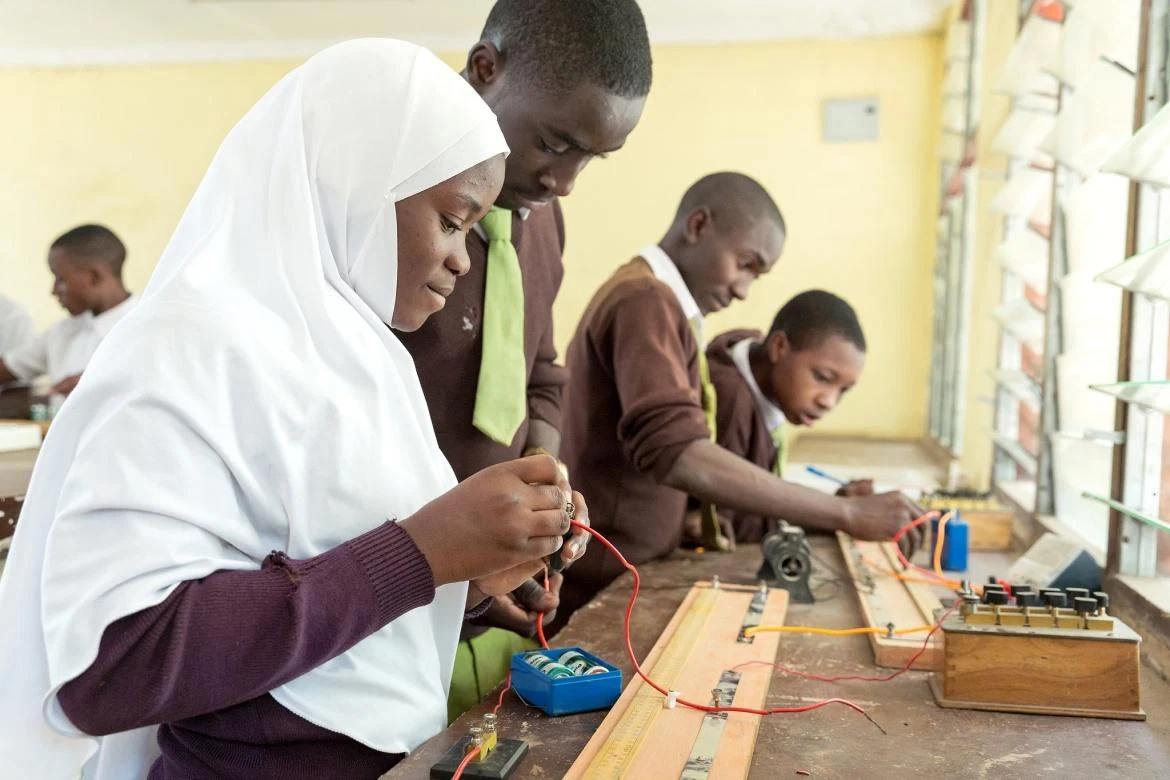
Technical ability
Careers: Electrician, mechanical technician, engineer.
Additional Examples
|
Talent or ability |
Possible career |
|---|---|
|
Singing |
Musician, music teacher |
|
Public speaking |
Lawyer, presenter, journalist |
|
Mathematics |
Accountant, engineer, statistician |
|
Writing |
Author, journalist, editor |
|
Scientific investigation |
Scientist, laboratory technologist |
|
Cooking |
Chef, caterer |
|
Caring for others |
Nurse, social worker |
|
Leadership |
Manager, entrepreneur |
|
Working with plants |
Farmer, horticulturist, agricultural officer |
|
Repairing machines |
Mechanic, mechanical technician |
Note: A talent may relate to several careers. Career choices also depend on interests, training requirements, opportunities, and personal circumstances.
3.8 Ethical and Unethical Practices in the Use of Talents and Abilities
Meaning of Ethics
Ethics refers to moral principles that guide people in distinguishing between right and wrong behavior.
Ethical Practices
Ethical practices are actions that demonstrate honesty, responsibility, fairness, and respect when using talents and abilities.
Examples include:
- Honesty: Using talents truthfully without cheating or deceiving others.
- Respect: Respecting other people's rights, ideas, and abilities.
- Fairness: Giving everyone an equal opportunity to participate.
- Responsibility: Using skills in ways that benefit individuals and society.
- Teamwork: Cooperating with others to achieve common goals.
- Integrity: Doing the right thing even when nobody is watching.
- Respect for intellectual property: Acknowledging other people's creative work.
- Professionalism: Demonstrating discipline, reliability, and good conduct.
Unethical Practices
Unethical practices are actions that violate accepted moral principles and may cause harm to other people.
Examples include:
- Cheating: Using dishonest methods to win competitions.
- Plagiarism: Presenting another person's work as one's own.
- Discrimination: Treating people unfairly because of personal differences.
- Bullying: Using talents or abilities to intimidate others.
- Fraud: Using skills to deceive people for personal gain.
- Sabotage: Intentionally damaging another person's work or opportunities.
- Corruption: Giving or receiving improper benefits to obtain unfair advantages.
- Misuse of technical skills: Using computer knowledge to steal information or interfere with systems without permission.
Comparison of Ethical and Unethical Practices
|
Ethical practice |
Unethical practice |
|---|---|
|
Competing fairly |
Cheating |
|
Respecting others |
Bullying |
|
Acknowledging original work |
Plagiarism |
|
Using skills responsibly |
Misusing skills |
|
Working honestly |
Engaging in fraud |
|
Supporting others |
Discriminating against others |
|
Observing rules |
Deliberately breaking rules |
3.9 Importance of Ethical Practices When Using Talents and Abilities
Ethical behavior is important because it:
- Builds trust.
- Promotes fairness.
- Encourages teamwork.
- Creates a positive reputation.
- Prevents conflicts.
- Encourages responsible use of skills.
- Protects other people's rights.
- Promotes peaceful coexistence.
- Improves career opportunities.
- Supports personal and community development.
3.10 Factors to Consider When Choosing a Career
Career choice involves selecting an occupation that matches one's interests, abilities, goals, and circumstances.
1. Personal Interests
Choose a career that involves activities you enjoy.
For example, a learner who enjoys solving technical problems may consider engineering or technology-related careers.
2. Talents and Abilities
Consider careers that match your strengths and skills.
3. Educational Requirements
Different careers require different academic qualifications and training.
For example, becoming a medical doctor requires specialized medical education and professional training.
4. Career Opportunities
Consider the availability of jobs, self-employment opportunities, and future demand for particular skills.
5. Personal Values
Choose work that agrees with your beliefs and principles.
6. Financial Requirements
Consider the costs of education, training, equipment, and other resources needed to pursue the career.
7. Working Conditions
Different occupations involve different environments, responsibilities, and risks.
8. Career Guidance
Seek advice from teachers, parents, career counselors, and professionals.
9. Opportunities for Growth
Consider whether the career provides opportunities for learning, specialization, and advancement.
10. Contribution to Society
Choose work that allows you to make a positive contribution to other people and the community.
3.11 Steps in Choosing a Career
1. Identify personal interests
Find out what you enjoy doing.
2. Assess talents and abilities
Recognize your strengths and skills.
3. Explore career options
Research occupations related to your interests.
4. Identify career requirements
Find out the education and training needed.
5 Seek career guidance
Consult teachers, counselors, and professionals.
6. Make an informed choice
Select a suitable career direction.
7. Develop a career plan
Set goals and work toward achieving them.
3.12 Challenges in Career Development
Learners may experience several challenges when exploring their career opportunities.
These include:
- Lack of career guidance.
- Limited financial resources.
- Lack of training facilities.
- Pressure from family members or peers.
- Inadequate information about careers.
- Fear of failure.
- Low self-confidence.
- Limited opportunities to develop talents.
- Negative stereotypes about certain careers.
- Changes in technology and employment opportunities.
Ways of Overcoming Career Development Challenges
- Seek guidance from teachers and counselors.
- Research different career opportunities.
- Apply for available scholarships and training programs.
- Participate in school clubs and competitions.
- Develop confidence through practice.
- Seek mentorship from experienced people.
- Use available learning resources responsibly.
- Set realistic career goals.
- Remain flexible and willing to learn new skills.
- Make career decisions based on reliable information.
3.13 Importance of Career Development
Career development helps individuals to:
- Make informed career decisions.
- Identify suitable education and training opportunities.
- Develop relevant knowledge and skills.
- Prepare for future employment.
- Explore self-employment opportunities.
- Improve personal confidence.
- Set achievable career goals.
- Adapt to changes in the world of work.
- Become productive members of society.
- Achieve personal and professional growth.
Learning Activities
- List five personal talents and abilities.
- Identify careers related to different talents.
- Create a simple personal career development plan.
- Discuss ethical and unethical uses of talents.
- Interview a professional about their career.
- Participate in a school career guidance discussion.
- Prepare a poster showing possible career pathways.
Revision Questions
- Define self-exploration.
- Differentiate between talent and ability.
- State five ways of identifying talents and abilities.
- Explain six ways of nurturing talents.
- Define career development.
- Name the three broad senior school career pathways in Kenya.
- Explain how talents and abilities influence career choices.
- State five examples of ethical practices in the use of talents.
- Describe five unethical practices related to talents and abilities.
- Explain six factors to consider when choosing a career.
- State seven steps involved in choosing a career.
- Identify five challenges learners may experience in career development.
- Explain ways of overcoming career development challenges.
- Describe five benefits of career development.
END-OF-STRAND ASSESSMENT
Section A: Multiple-Choice Questions
Knowledge Check
0 of 10 answered
1. Which of the following is a raised platform?
A. Hammer
B. Scaffold
C. Spanner
D. Wheelbarrow
2. Which of the following is a risk associated with working at heights?
A. Improved visibility
B. Falling from a platform
C. Better communication
D. Increased lighting
3. Which protective equipment helps protect the head?
A. Gloves
B. Safety boots
C. Safety helmet
D. Apron
4. Which of the following is a flammable substance?
A. Water
B. Sand
C. Petrol
D. Salt
5. What is the safest action when a learner discovers an unknown chemical spill?
A. Touch it
B. Smell it
C. Mix it with water
D. Report it to the teacher
6. What is one way of nurturing talent?
A. Avoiding practice
B. Participating in training
C. Ignoring feedback
D. Giving up
7. Which career may suit a learner interested in repairing machines?
A. Mechanical technician
B. Singer
C. Journalist
D. Actor
8. Which action is an unethical practice?
A. Respecting others
B. Working honestly
C. Plagiarism
D. Following rules
9. Which factor is important when choosing a career?
A. Peer pressure alone
B. Personal interests and abilities
C. Random selection
D. Avoiding advice
10. What is career development?
A. A single examination
B. Avoiding training
C. A continuous process of career growth
D. Changing interests every day
Check Answers Retry
Section B: Structured Questions
- Explain five safety precautions that should be observed when using ladders.
- Describe four risks associated with working on scaffolds.
- Explain five ways of preventing accidents on raised platforms.
- Classify the following substances according to their hazards: petrol, hydrochloric acid, pesticides, fireworks, and some cleaning sprays.
- Describe five safety measures when storing hazardous substances.
- Explain why hazardous substances should not be stored in food containers.
- Describe five ways learners can develop their talents and abilities.
- Explain how talents and abilities may influence career choices.
- Describe five ethical practices that should guide individuals when using their talents.
- Prepare a personal career plan indicating your interests, abilities, preferred career, and steps toward achieving your goal.