
2.1 Meaning of Hazardous Substances
A hazardous substance is any material that can cause harm to human beings, animals, plants, property, or the environment if it is not handled properly.
Hazardous substances may be found in homes, schools, farms, workshops, hospitals, and industries.
They may exist as solids, liquids, gases, dust, or vapors.
2.2 Examples of Hazardous Substances Found in the Environment
1. Household hazardous substances
These are dangerous substances commonly found in homes.
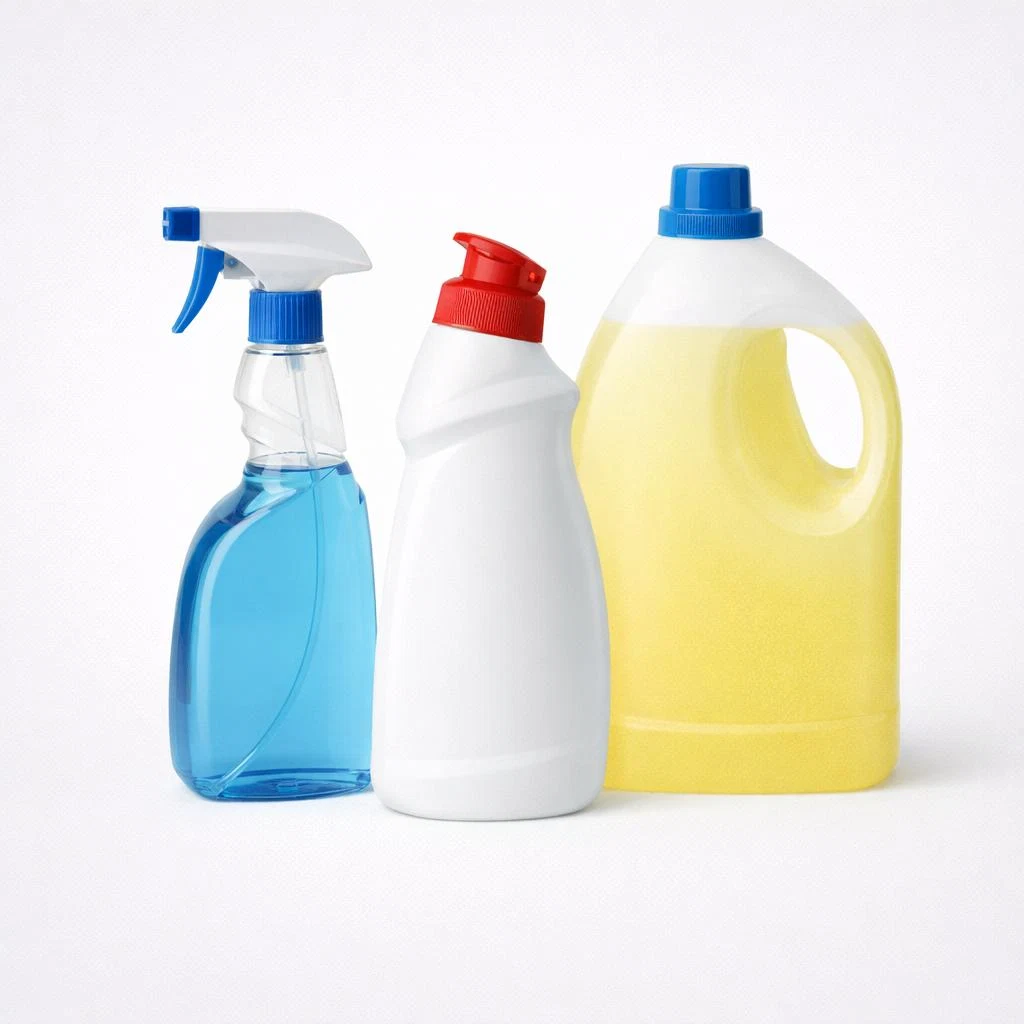
Examples include:
- Bleach
- Strong cleaning agents
- Insecticides
- Paint thinners
- Unused or expired medicines
- Drain cleaners
2. Agricultural hazardous substances
These are substances used in farming that may cause harm if mishandled.
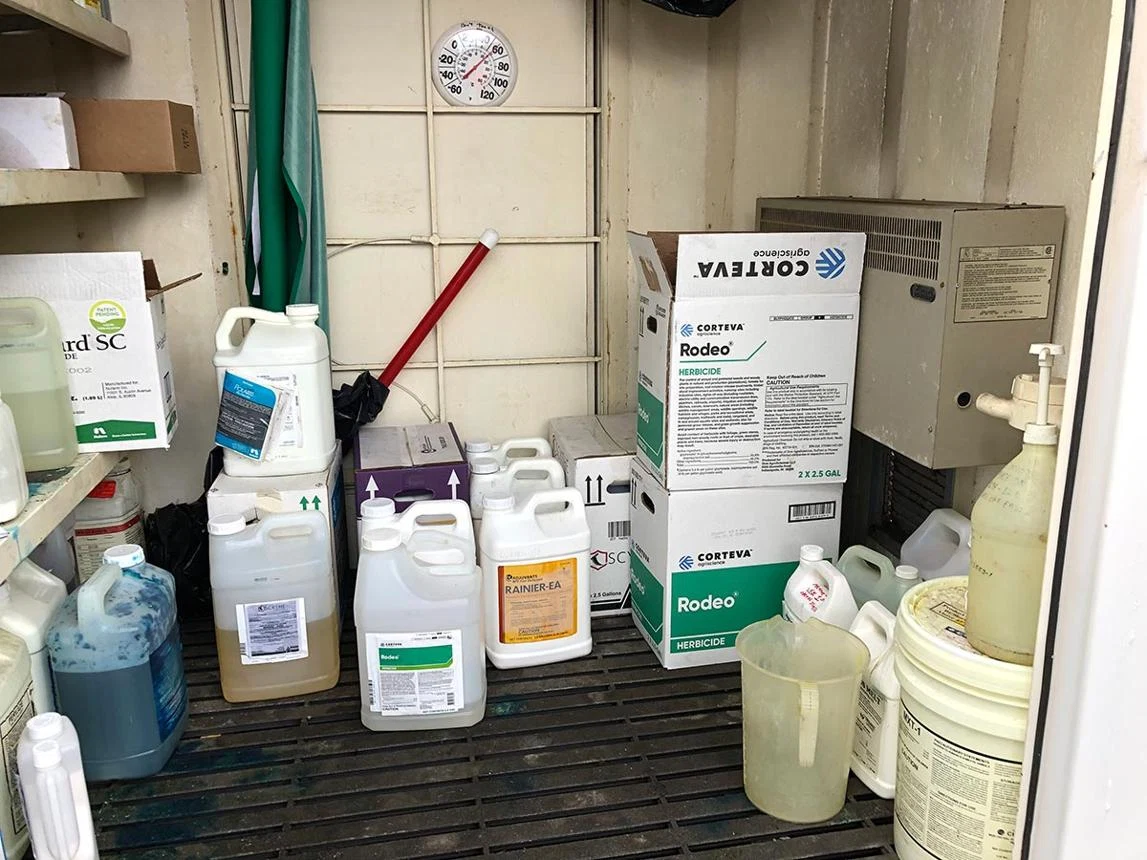
Examples include:
- Pesticides
- Herbicides
- Fungicides
- Some fertilizers
- Chemicals used to treat livestock
3. Industrial hazardous substances
These are dangerous substances used in factories and workshops.
Examples include:
- Strong acids
- Strong alkalis
- Industrial solvents
- Fuels
- Paints
- Certain heavy-metal compounds
4. Medical hazardous substances
These are potentially harmful substances found in hospitals, laboratories, and other healthcare settings.
Examples include:
- Certain medicines
- Laboratory chemicals
- Infectious waste
- Contaminated blood samples
- Chemical disinfectants
5. Environmental hazardous substances
These are dangerous substances that may be released into the environment.
Examples include:
- Toxic smoke
- Industrial waste
- Oil spills
- Contaminated water
- Asbestos dust
- Harmful gases
2.3 Classification of Hazardous Substances
Hazardous substances can be classified according to the type of danger they present.
1. Flammable Substances
Flammable substances catch fire easily when exposed to heat, flames, or sparks.
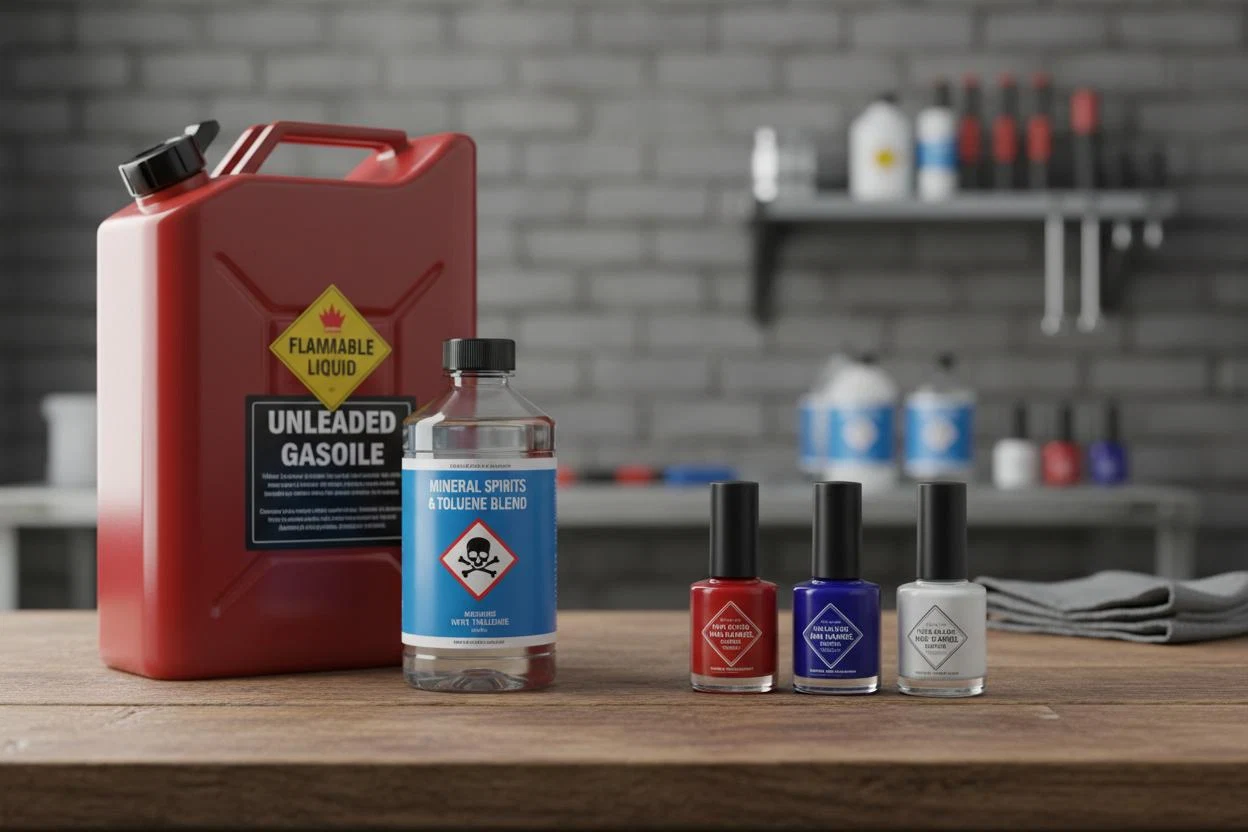
Examples:
- Petrol
- Kerosene
- Ethanol
- Paint thinners
- Cooking gas (LPG)
Dangers:
- Fire outbreaks
- Burns
- Explosions under certain conditions
- Damage to property
Safety measures:
- Keep away from flames and heat.
- Store in suitable, properly labeled containers.
- Ensure proper ventilation.
- Never smoke near flammable substances.
2. Corrosive Substances
Corrosive substances can destroy or damage materials and cause chemical burns to the skin or eyes.
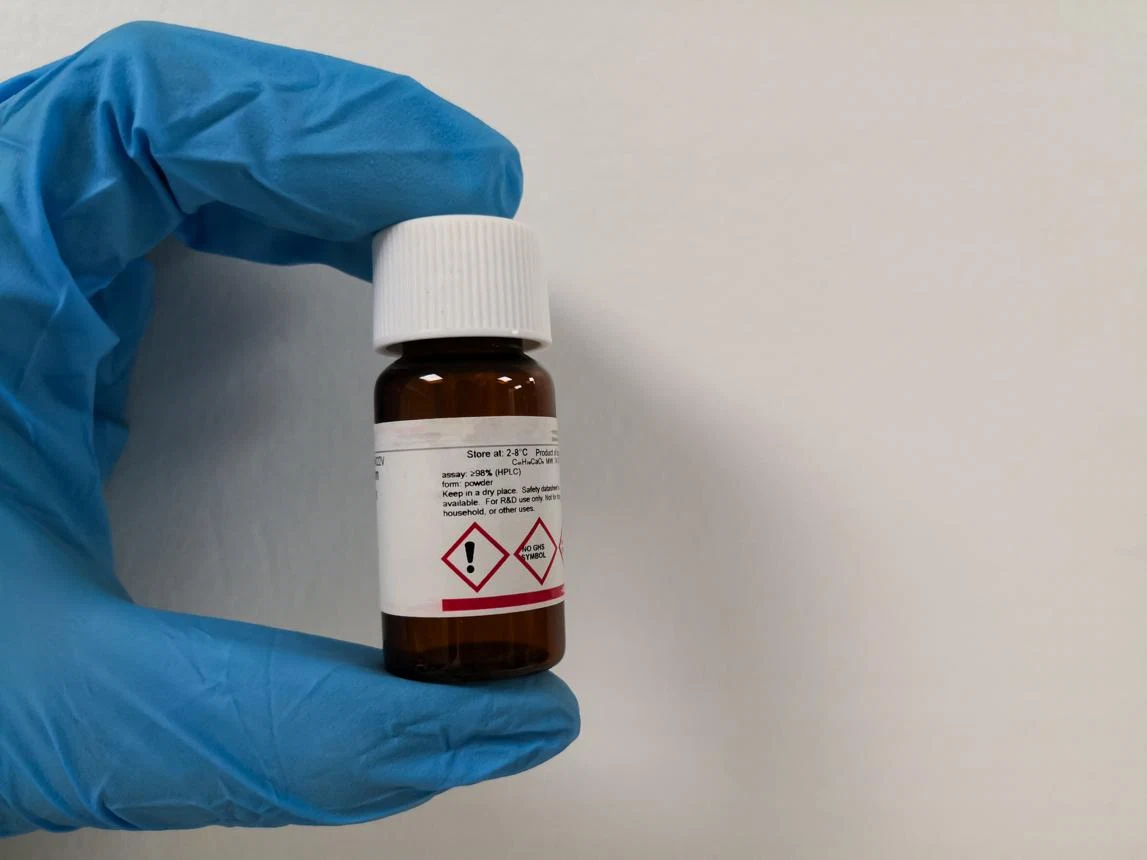
Examples:
- Sulfuric acid
- Hydrochloric acid
- Sodium hydroxide
- Strong drain cleaners
Dangers:
- Skin burns
- Eye injuries
- Damage to materials
- Respiratory injury from fumes
Safety measures:
- Avoid direct contact.
- Wear suitable protective equipment.
- Use only under trained supervision.
- Keep containers tightly closed.
3. Toxic Substances
Toxic substances can cause poisoning or serious health problems if inhaled, swallowed, or absorbed through the skin.
Examples:
- Certain pesticides
- Carbon monoxide
- Lead compounds
- Some industrial solvents
Dangers:
- Poisoning
- Damage to body organs
- Breathing difficulties
- Death in severe cases
Safety measures:
- Never taste or deliberately smell chemicals.
- Keep containers properly labeled.
- Avoid unnecessary exposure.
- Store chemicals away from food and drinking water.
4. Explosive Substances
Explosive substances may release energy suddenly, producing heat, pressure, and flying fragments.
Examples:
- Fireworks
- Blasting explosives
- Certain unstable industrial chemicals
Dangers:
- Severe burns
- Serious injuries
- Damage to buildings
- Fire outbreaks
Safety measures:
- Do not touch or experiment with explosive materials.
- Keep away from suspected explosive objects.
- Inform a teacher, responsible adult, or relevant authority.
- Only authorized professionals should handle explosive materials.
5. Irritant Substances
Irritant substances cause discomfort, redness, inflammation, or irritation to the skin, eyes, or respiratory system.
Examples:
- Some detergents
- Ammonia-based cleaners
- Certain paints
- Some cleaning sprays
Dangers:
- Skin irritation
- Eye irritation
- Coughing
- Breathing difficulties
Safety measures:
- Use products according to instructions.
- Avoid splashing or inhaling sprays.
- Wear appropriate protective equipment.
- Work in well-ventilated areas.
6. Infectious Materials
Infectious materials contain microorganisms that can cause diseases.
Examples:
- Contaminated blood
- Used needles
- Infectious medical waste
- Some contaminated body fluids
Dangers:
- Transmission of diseases
- Wound infections
- Exposure to harmful microorganisms
Safety measures:
- Do not touch used needles.
- Avoid direct contact with potentially infectious materials.
- Report suspicious or contaminated items.
- Leave collection and disposal to trained personnel.
Summary of the Classification
|
Classification |
Examples |
Main danger | |
|---|---|---|---|
|
Flammable |
Petrol, ethanol |
Fire | |
|
Corrosive |
Strong acids, strong alkalis |
Chemical burns | |
|
Toxic |
Pesticides, carbon monoxide |
Poisoning | |
|
Explosive |
Fireworks, blasting explosives |
Explosion | |
|
Irritant |
Some detergents, cleaning sprays |
Skin and eye irritation | |
|
Infectious |
Used needles, contaminated blood |
Disease transmission |
Note: Some substances belong to more than one category. For example, a chemical may be both flammable and toxic.
2.4 Ways Hazardous Substances Enter the Human Body
Hazardous substances may enter the body through different routes.
- Inhalation: Breathing in harmful gases, dust, fumes, or vapors.
- Ingestion: Swallowing harmful substances through contaminated food, water, or accidental consumption.
- Absorption: Harmful substances passing through the skin.
- Injection: Hazardous material entering through a puncture wound, such as a contaminated needle.
2.5 Safe Ways of Handling Hazardous Substances
A. Reading Labels and Instructions
A label provides important information about a substance.
It may indicate:
- The name of the substance.
- Possible dangers.
- Safety precautions.
- Storage requirements.
- Emergency instructions.
Always read and understand the label before using a product.
B. Wearing Personal Protective Equipment
Protective equipment helps reduce exposure to hazardous substances.

|
Protective equipment |
Purpose |
|---|---|
|
Chemical-resistant gloves |
Protect hands from compatible chemicals |
|
Safety goggles |
Protect eyes against splashes |
|
Protective apron |
Protect clothing and skin |
|
Safety boots |
Protect feet against spills and injuries |
|
Suitable respirator |
Protect against specified airborne hazards when correctly selected and fitted |
C. Proper Storage
Hazardous substances should be stored safely to prevent accidents.
Safety rules include:
- Store substances in their original labeled containers.
- Keep them away from children.
- Separate incompatible chemicals.
- Keep flammable substances away from heat.
- Store medicines in secure locations.
- Avoid storing chemicals near food.
- Follow the manufacturer's storage instructions.
D. Proper Disposal
Hazardous waste must be disposed of using approved methods.
Examples of good disposal practices include:
- Placing used needles in approved sharps containers by trained personnel.
- Taking expired medicines to suitable collection points where available.
- Using approved disposal services for pesticides and industrial chemicals.
- Following local waste-management regulations.
Important: Never pour unknown chemicals into drains, burn hazardous waste, or mix chemicals when disposing of them.
E. Good Personal Hygiene
Personal hygiene reduces the risk of harmful exposure.
Important practices include:
- Washing hands after handling permitted substances.
- Avoiding eating or drinking while working with chemicals.
- Keeping work surfaces clean.
- Removing contaminated clothing safely.
- Reporting chemical spills immediately.
2.6 Safety Signs and Symbols
Hazard symbols warn people about the dangers associated with substances.
|
Symbol or warning |
Meaning | |
|---|---|---|
|
Flame |
Flammable substance | |
|
Skull and crossbones |
Acute toxicity | |
|
Corrosion symbol |
May cause burns or corrode metals | |
|
Exploding bomb |
Explosion hazard | |
|
Exclamation mark |
May indicate irritation or other harmful effects | |
|
Health hazard silhouette |
May cause serious or long-term health effects | |
|
Environment symbol |
Hazardous to aquatic environments |
Learners should be able to recognize common hazard symbols on chemical containers.
2.7 What to Do During a Hazardous Substance Accident
When a hazardous substance causes an accident:
- Move away from the danger without putting yourself at risk.
- Inform the teacher, supervisor, or responsible adult immediately.
- Warn other people to stay away from the affected area.
- Do not touch or attempt to clean an unknown spill.
- Follow appropriate emergency instructions.
- Seek medical assistance when necessary.
- Do not induce vomiting after chemical ingestion unless directed by a qualified medical professional.
For chemical splashes on the skin or in the eyes, immediate rinsing with plenty of running water is generally necessary while emergency assistance is arranged, following the product's safety instructions.
2.8 Importance of Observing Safety When Handling Hazardous Substances
Observing safety is important because it:
- Prevents poisoning.
- Reduces injuries and chemical burns.
- Protects human health.
- Prevents fires and explosions.
- Protects animals and plants.
- Reduces environmental pollution.
- Prevents damage to property.
- Promotes responsible use of chemicals.
- Reduces medical costs caused by accidents.
- Creates a safer learning and working environment.
Learning Activities
- Identify hazardous substances from photographs or teacher-provided labels.
- Classify substances according to their hazards.
- Draw common hazard symbols and explain their meanings.
- Identify protective equipment used when working with chemicals.
- Discuss proper storage and disposal methods.
- Role-play how to report a chemical spill.
Learners should not be required to touch, smell, taste, open, or mix dangerous chemicals during classroom activities.
Revision Questions
- Define a hazardous substance.
- State six examples of hazardous substances found in the environment.
- Name six categories of hazardous substances.
- Differentiate between flammable and corrosive substances.
- Explain four ways hazardous substances enter the human body.
- State six safety precautions when handling hazardous substances.
- Identify five pieces of personal protective equipment.
- Explain why hazardous substances should be properly labeled.
- State five ways of storing hazardous substances safely.
- Explain five reasons for observing safety when handling hazardous substances.