
Definition
Composite materials are made by combining two or more different materials with distinct properties to create a new material with enhanced characteristics.
Examples of Composite Materials
- Concrete: Cement + Sand + Aggregate (Stones). Used in construction.
- Plywood: Thin layers (veneers) of wood glued together with grains at right angles. Used in furniture and construction.
- Fibreglass: Glass fibres embedded in a plastic resin. Used for boat hulls, car bodies, and water tanks.
- Particle Board/Chipboard: Wood chips and sawdust bound with resin. Used for affordable furniture.
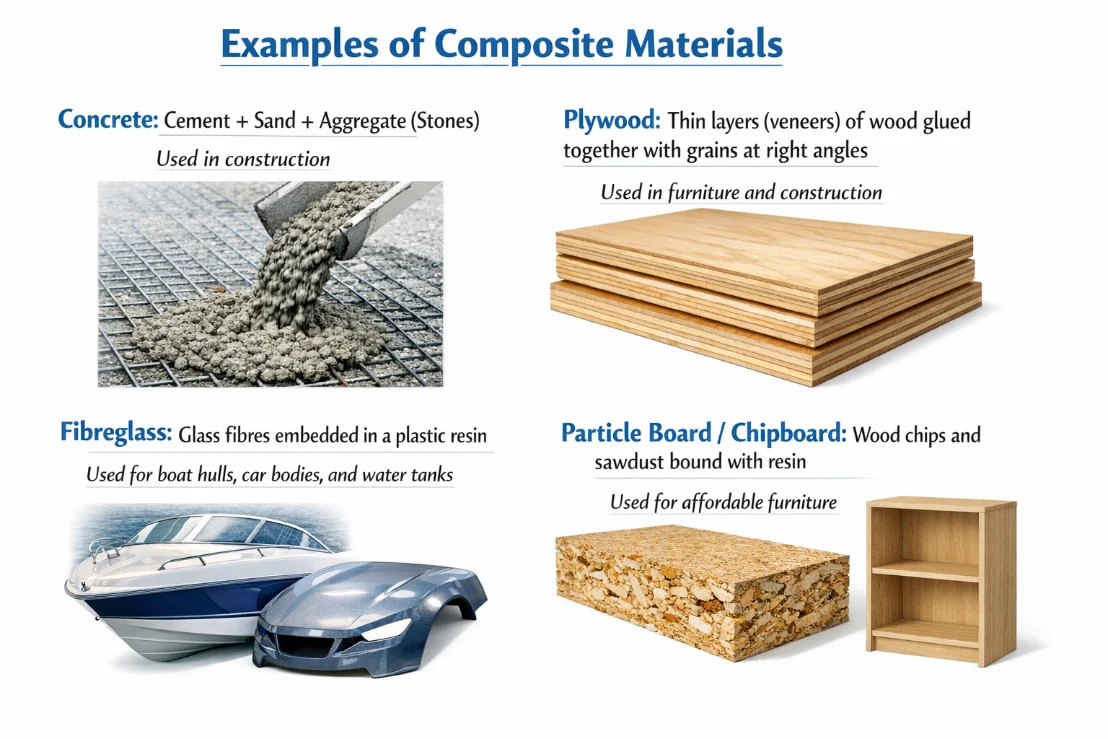
Figure 11: Composite materials are made by combining two or more different materials with distinct properties to create a new material with enhanced characteristics.
Characteristics and Applications
- Strength: Often stronger and lighter than individual components (e.g., Fibreglass).
- Durability: Resistant to weather and corrosion (e.g., Concrete, Plastic composites).
- Versatility: Can be moulded into complex shapes.