
1. Meaning of socio-economic practices
Socio-economic practices are activities through which people obtain necessities, organise their communities and interact to meet their needs.
Early humans in Africa engaged in activities such as food gathering, hunting, toolmaking, shelter construction and, in later prehistoric periods, farming and animal keeping.
2. Meaning of the Stone Age
The Stone Age is a long prehistoric period during which stone tools were widely used.
It is commonly divided into the Early, Middle and Later Stone Ages in African archaeology. These periods did not begin or end at identical dates throughout Africa.
3. Early Stone Age
Early humans made simple and increasingly sophisticated stone tools for cutting, breaking and processing materials.
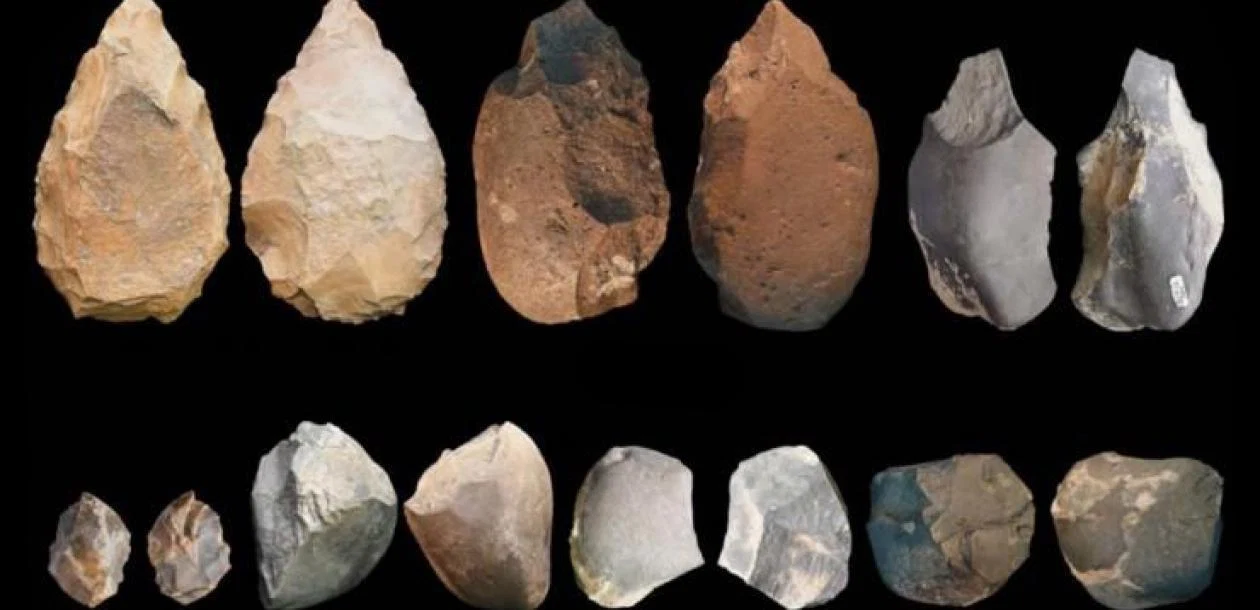
leblob.fr
Common tools
- Stone choppers.
- Hammerstones.
- Sharp flakes.
- Hand axes.
- Cleavers.
Economic activities
- Gathering plant foods.
- Processing animal carcasses.
- Hunting and scavenging.
- Obtaining water.
- Making stone tools.
4. Middle Stone Age
The Middle Stone Age was characterised by developments in stone-tool manufacturing, including prepared-core methods and smaller, specialised implements.
Tools included points, flakes, scrapers and blades in different regions and periods.
Some archaeological evidence also indicates long-distance movement of materials and pigment use.
5. Later Stone Age
In many African regions, Later Stone Age communities used smaller specialised stone implements and developed varied hunting, gathering and fishing strategies.
Some communities made or used bone tools, ornaments and other cultural materials.
Farming and pastoralism developed at different times in different African regions and overlapped with stone-tool traditions.
6. Comparison of Stone Age periods
|
Aspect |
Early Stone Age |
Middle Stone Age |
Later Stone Age |
|---|---|---|---|
|
Tools |
Choppers, hand axes, flakes |
Prepared flakes, points and scrapers |
Often smaller, specialised implements |
|
Technology |
Early stoneworking |
More varied toolmaking |
Diverse, specialised technologies |
|
Food |
Gathering, hunting/scavenging |
Gathering and hunting |
Gathering, hunting and fishing; later overlap with farming in some areas |
|
Social life |
Cooperation in small groups |
Increasingly varied social behaviours |
Diverse and sometimes more complex social networks |
7. Examples of Stone Age tools
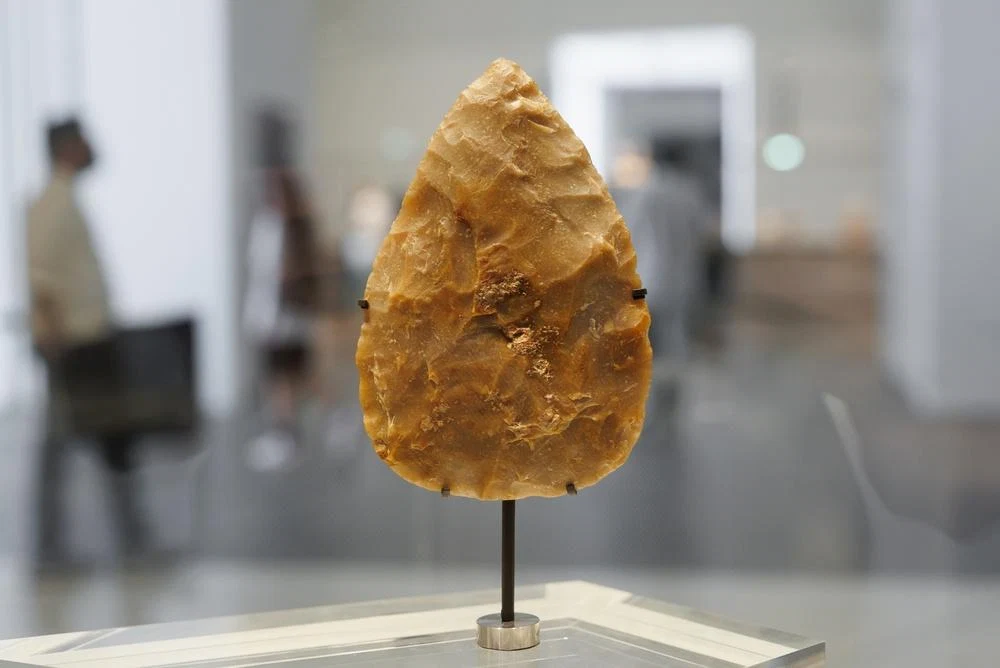
Hand axe
Used for cutting, chopping and processing materials.

Chopper
Stone tool with a sharp working edge.
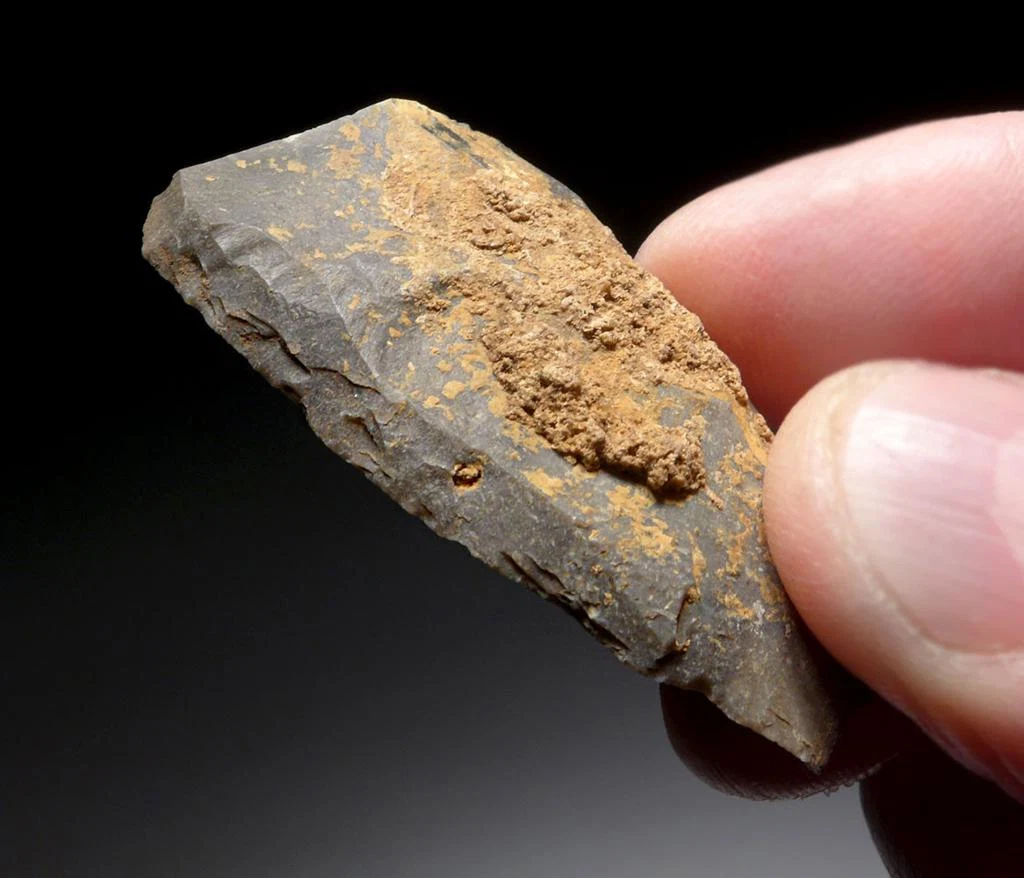
Scraper
Could be used in processing hides and other materials.

Point
Could serve as a component of a hunting weapon or other tool.
8. Important archaeological sites in Kenya
Kenya has important prehistoric sites, including Koobi Fora near Lake Turkana, Olorgesailie in the Rift Valley and Kariandusi near Lake Elementaita.
These sites provide evidence of early human activity, fossil discoveries and stone-tool technology.
9. Significance of Stone Age developments
Early toolmaking and social cooperation contributed to survival, adaptation, improved food processing and the development of later technologies.
Activity 3.1: Draw and label a hand axe, chopper, scraper and stone point. Explain one possible use of each.