
1. Meaning of a multi-purpose river project
A multi-purpose river project is a water-resource development project designed to serve more than one function.
Its functions may include hydroelectric power generation, irrigation, water supply, flood regulation, transport and fisheries.
2. Examples of river projects in Africa
|
Project |
Country |
River |
|---|---|---|
|
Aswan High Dam |
Egypt |
Nile |
|
Akosombo Dam |
Ghana |
Volta |
|
Kariba Dam |
Zambia/Zimbabwe |
Zambezi |
|
Kainji Dam |
Nigeria |
Niger |
|
Masinga Dam |
Kenya |
Tana |
|
Kiambere Dam |
Kenya |
Tana |
|
Cahora Bassa Dam |
Mozambique |
Zambezi |
Not every project performs every possible function equally. Some are primarily hydroelectric projects, while others have significant irrigation, storage or flood-management functions.
3. River Tana multi-purpose development
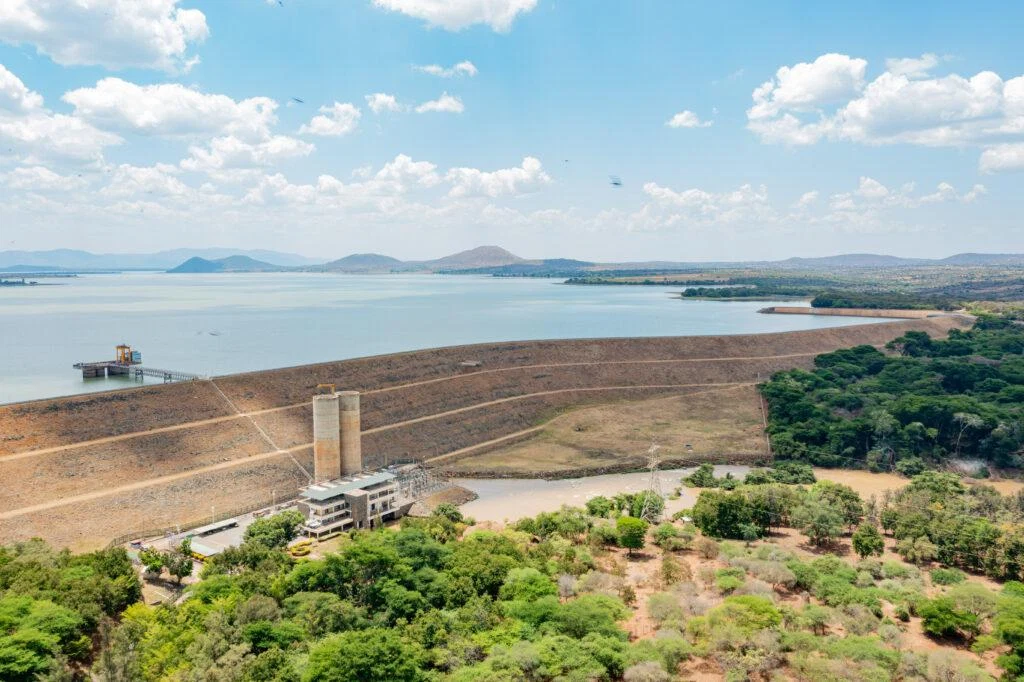
the-star.co.ke
The Tana River basin supports important hydroelectric generation and water-resource developments.
The Seven Forks hydroelectric system includes Masinga, Kamburu, Gitaru, Kindaruma and Kiambere. KenGen identifies Masinga as an important reservoir regulating water through the cascade.

Energy for the nation
4. Conditions favouring the establishment of projects along River Tana
- Availability of river water.
- Suitable changes in elevation for hydropower generation.
- Sites with favourable valley and geological conditions.
- Demand for electricity.
- Potential for water storage.
- Agricultural water needs.
- Government investment and infrastructure development.
- Opportunities to regulate river flows.
5. Economic importance of multi-purpose projects
Electricity production: Hydropower supports households, industries and services.
Irrigation: Water can support agricultural activities where irrigation infrastructure exists.
Water supply: Reservoirs may supply domestic or industrial water.
Employment: Construction, operation and maintenance create jobs.
Fisheries: Some reservoirs support fishing activities.
Flood regulation: Certain reservoirs can reduce some downstream flood risks when properly managed, though they cannot prevent all floods.
Tourism: Reservoir landscapes may support recreation and tourism.
6. Challenges facing multi-purpose projects
- High construction costs.
- Sedimentation.
- Drought and variable rainfall.
- Displacement of communities.
- Changes to river ecosystems.
- Equipment maintenance costs.
- Competing water demands.
- Flood risks.
- Environmental impacts on downstream communities.
7. Solutions
|
Challenge |
Possible response |
|---|---|
|
Sedimentation |
Catchment protection and erosion control |
|
Drought |
Water conservation and diversified energy sources |
|
Equipment failure |
Routine inspection and maintenance |
|
Environmental damage |
Environmental assessments and restoration |
|
Community displacement |
Fair consultation, compensation and resettlement |
|
Competing water needs |
Coordinated basin management |
|
Flood hazards |
Monitoring, early warning and appropriate operating procedures |
Activity 4.3: On an outline map of Africa, mark Egypt, Ghana, Nigeria, Zambia, Zimbabwe, Mozambique and Kenya. Label one important river project associated with each relevant country.