
1. Meaning of a World Heritage Site
A World Heritage Site is a cultural or natural property inscribed on the UNESCO World Heritage List because it meets the criteria for Outstanding Universal Value.
World Heritage Sites are important to humanity and require long-term protection.
2. Categories of World Heritage Sites
Cultural sites: Places with outstanding historical, archaeological, architectural or cultural importance.
Natural sites: Places with exceptional natural landscapes, ecosystems or geological features.
Mixed sites: Places that meet both cultural and natural World Heritage criteria.
3. Selected World Heritage Sites in Africa
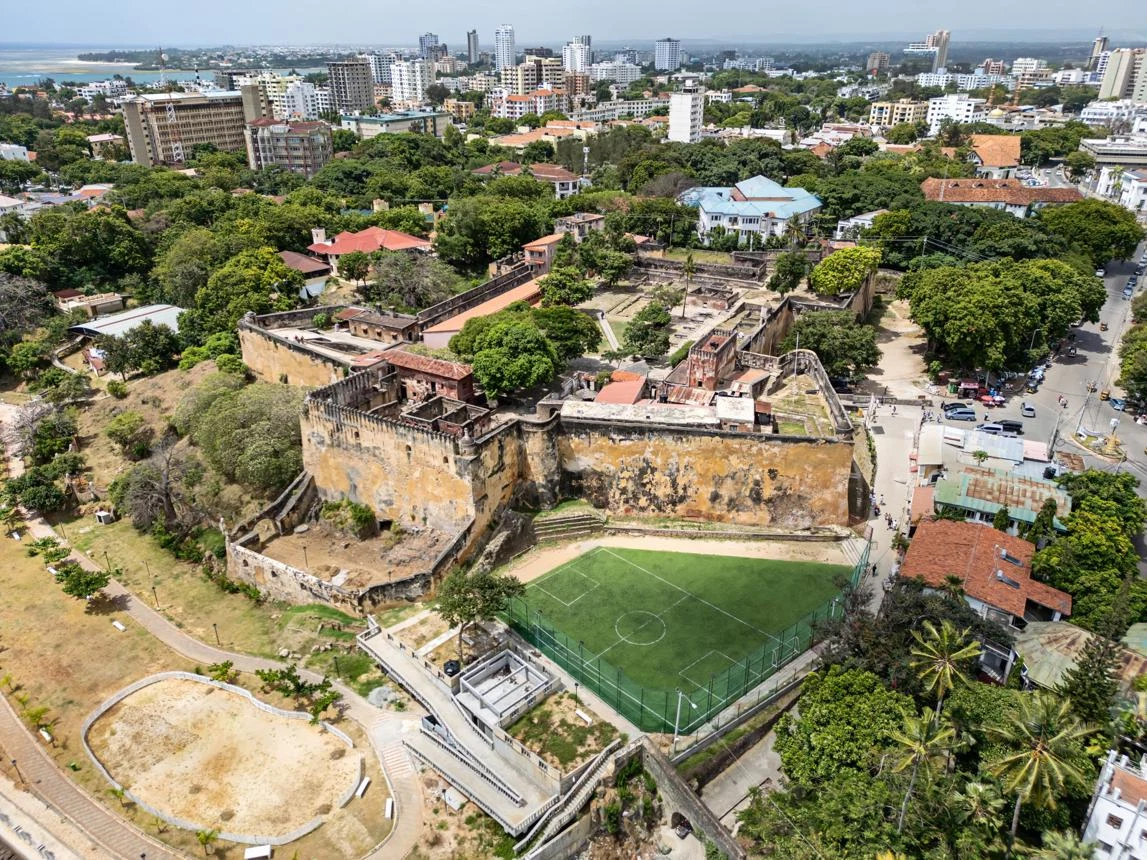
Fort Jesus
Historic coastal fortress reflecting Indian Ocean trade and military history.
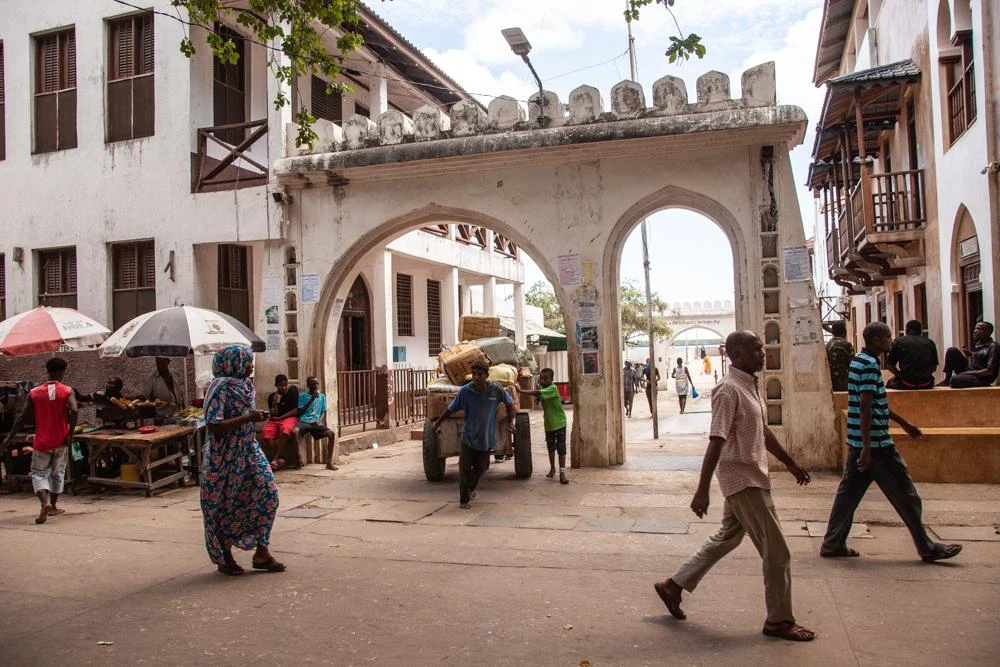
Lamu Old Town
Historic Swahili settlement with distinctive architecture and cultural traditions.
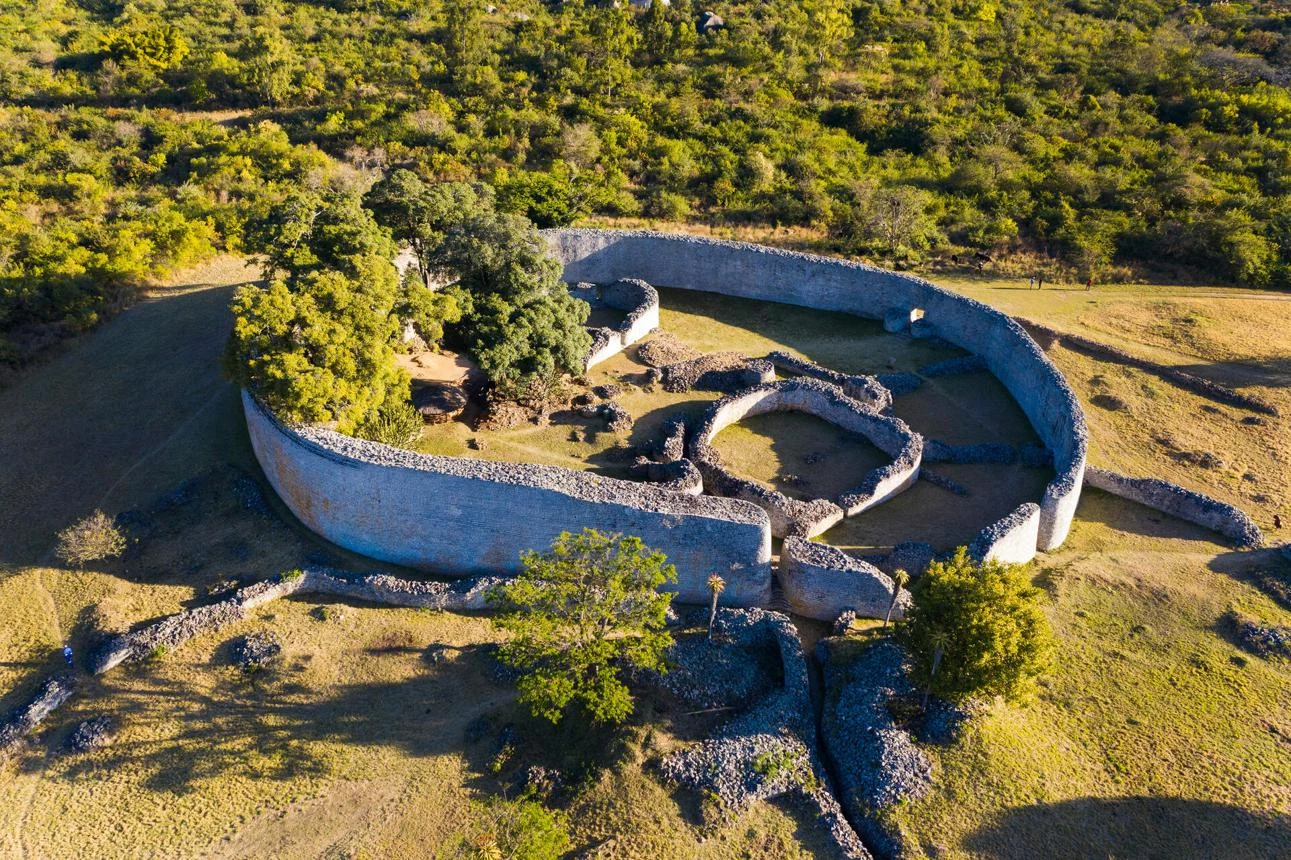
Great Zimbabwe National Monument
Ancient stone-built settlement illustrating African political and cultural history.
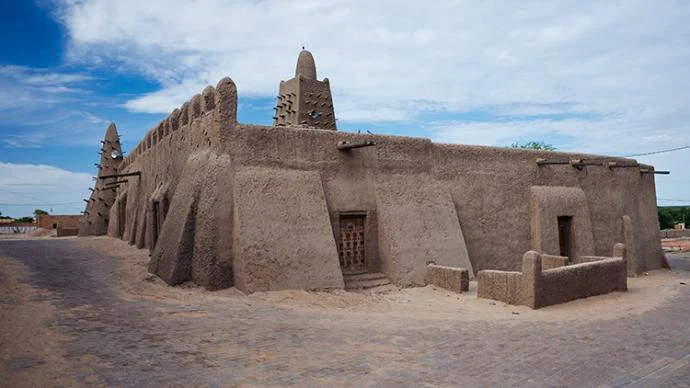
Timbuktu
Historic centre of scholarship, trade and Islamic cultural heritage.
Other examples include the Pyramids of Giza in Egypt, Serengeti National Park in Tanzania, Robben Island in South Africa and the Rock-Hewn Churches of Lalibela in Ethiopia.
4. Kenya's World Heritage Sites
UNESCO currently lists eight World Heritage properties in Kenya, including the Historic Town and Archaeological Site of Gedi, inscribed in 2024.

UNESCO World Heritage Convention
+1
|
Site |
Type |
|---|---|
|
Fort Jesus, Mombasa |
Cultural |
|
Lamu Old Town |
Cultural |
|
Sacred Mijikenda Kaya Forests |
Cultural |
|
Historic Town and Archaeological Site of Gedi |
Cultural |
|
Thimlich Ohinga Archaeological Site |
Cultural |
|
Mount Kenya National Park/Natural Forest |
Natural |
|
Lake Turkana National Parks |
Natural |
|
Kenya Lake System in the Great Rift Valley |
Natural |
5. Importance of World Heritage Sites
- Preserve cultural identity.
- Protect historical evidence.
- Support tourism.
- Create educational opportunities.
- Encourage scientific research.
- Protect biodiversity.
- Promote international cooperation.
- Support local employment when tourism is managed responsibly.
6. Threats to heritage sites
- Climate change.
- Pollution.
- Vandalism.
- Uncontrolled construction.
- Illegal wildlife activities.
- Poor maintenance.
- Armed conflict.
- Excessive or poorly managed tourism.
- Loss of traditional knowledge.
7. Conservation measures
Legal protection: Apply heritage and environmental laws.
Restoration: Repair structures using appropriate conservation techniques.
Community involvement: Include local communities in management decisions.
Education: Teach learners the significance of heritage.
Visitor management: Control activities that may damage sites.
Research and documentation: Record historical and environmental information.
Sustainable tourism: Generate benefits without undermining the site's value.
Activity 4.5
Choose one World Heritage Site in Africa and prepare a report covering its location, category, historical or natural importance, threats and conservation measures.