
5.1.1 Meaning of Akhlaq
Akhlaq is an Arabic term referring to moral character, behaviour and manners.
In Islam, Akhlaq describes the qualities and actions that demonstrate whether a person behaves according to Islamic teachings.
A Muslim is expected to demonstrate good character in their relationship with Allah, other people, animals and the environment.
Good Akhlaq includes honesty, kindness, patience, forgiveness, humility, generosity and respect.
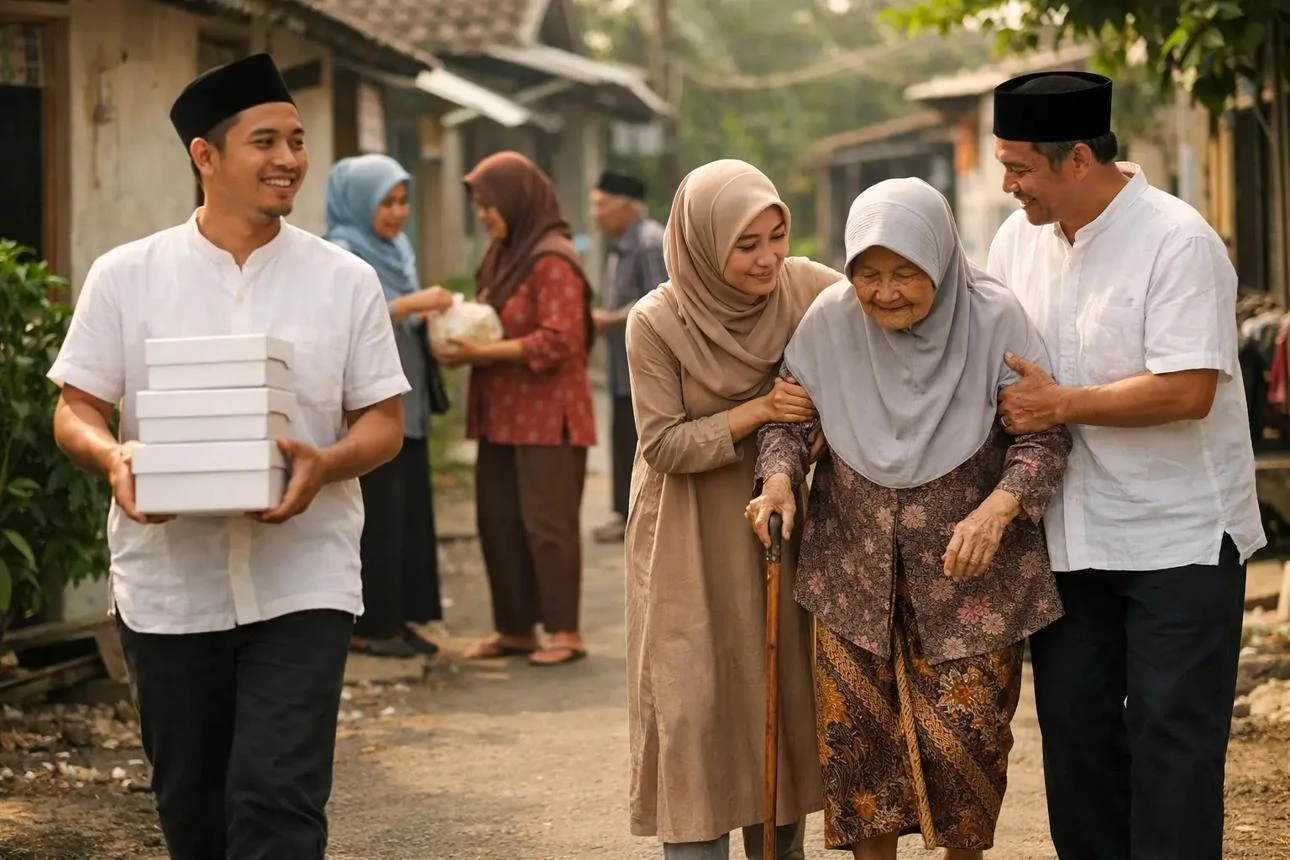
Figure 21: Illustration supporting 5.1.1 Meaning of Akhlaq.
5.1.2 Meaning of Morality
Morality refers to the principles and values that guide individuals in deciding what is right and wrong.
Islamic morality is based on the guidance provided by Allah through the Qur'an and the teachings of Prophet Muhammad (S.A.W.).
It helps Muslims develop good behaviour and live responsibly.
5.1.3 Sources of Morality in Islam
The Grade 7 curriculum identifies two main sources of morality:
- The Qur'an.
- The Sunnah.
1. The Qur'an
The Qur'an is the primary source of Islamic guidance.
It contains instructions on good conduct and warns against immoral behaviour.
It teaches Muslims to:
- Tell the truth.
- Respect parents.
- Help needy people.
- Avoid oppression.
- Maintain justice.
- Keep promises.
- Show kindness.
- Avoid dishonesty.
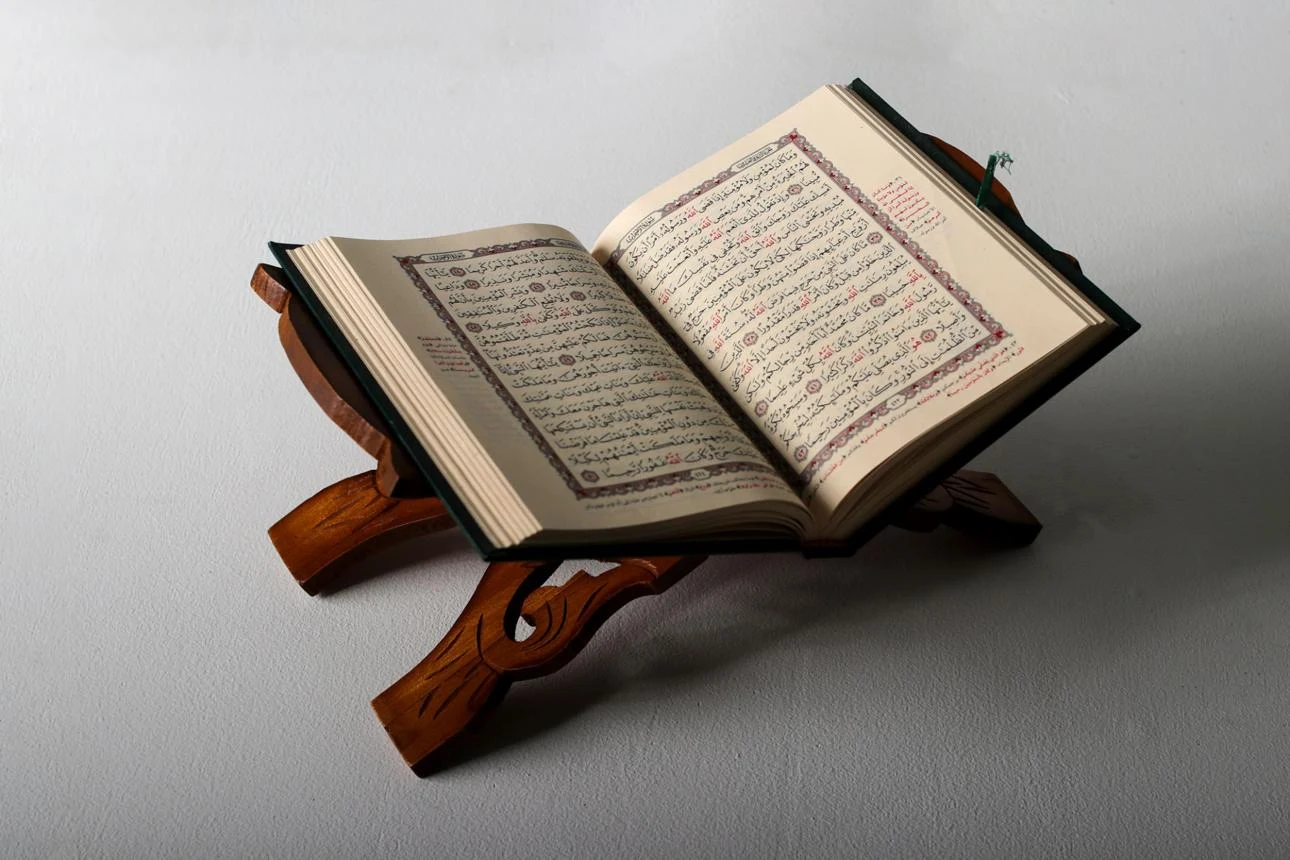
Figure 22: Illustration supporting 5.1.3 Sources of Morality in Islam.
2. The Sunnah
The Sunnah refers to the teachings, practices and example of Prophet Muhammad (S.A.W.).
It provides practical guidance on how Muslims should apply Islamic moral values in daily life.
Examples include:
- Treating neighbours kindly.
- Showing compassion to children.
- Respecting the elderly.
- Forgiving others.
- Helping the poor.
- Speaking politely.
- Being honest in business.
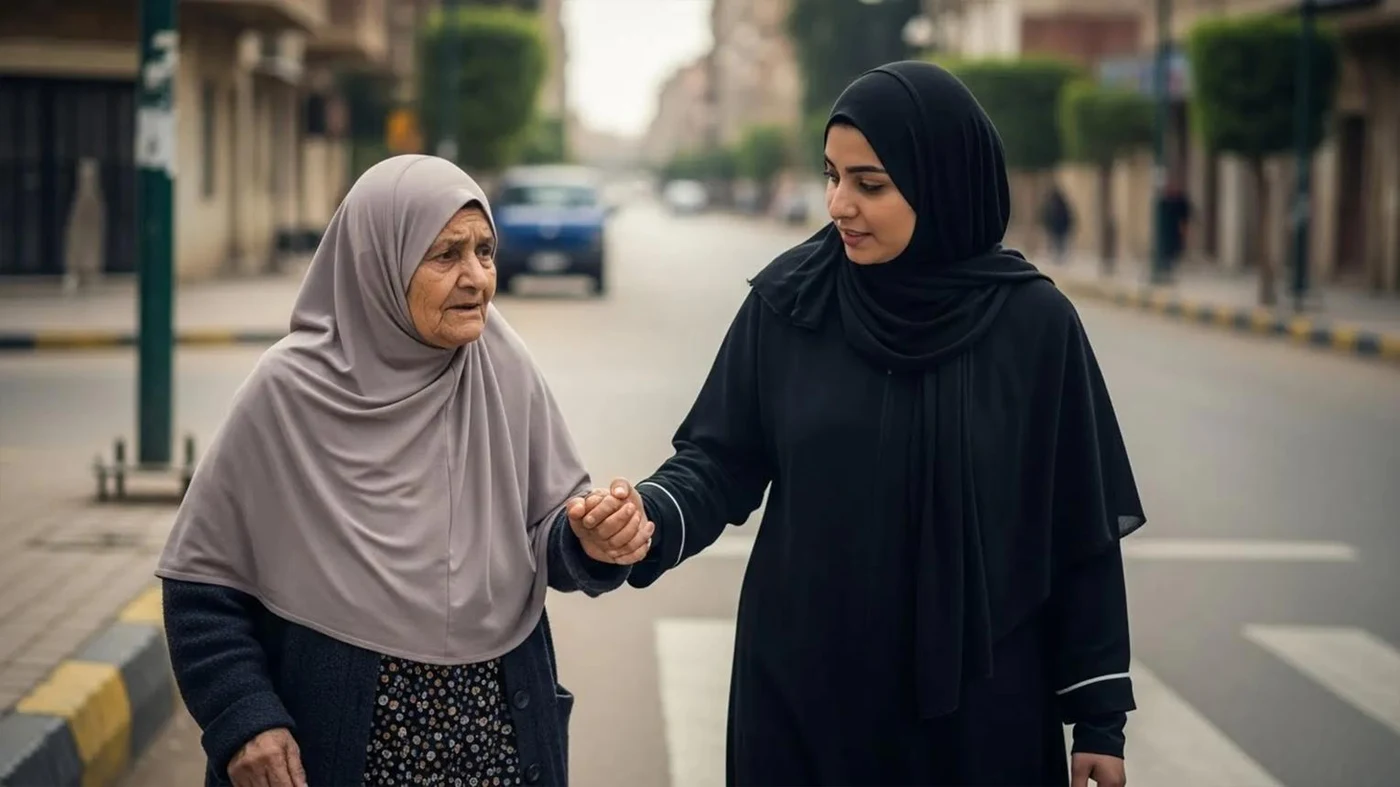
Figure 23: Illustration supporting 5.1.3 Sources of Morality in Islam.
5.1.4 Dimensions of Morality in Islam
Islamic morality covers different aspects of human life.
The following dimensions help learners understand the areas in which Muslims should demonstrate good character.
1. Moral Relationship with Allah
A Muslim should maintain a good relationship with Allah through faith, worship and obedience.
Examples include:
- Believing in Tawhid.
- Performing Swalah.
- Reading the Qur'an.
- Fasting during Ramadan.
- Giving Zakat.
- Making Du'a.
- Being grateful to Allah.
- Avoiding shirk.
2. Moral Relationship with Oneself
A Muslim has a responsibility to take care of their own body, mind and spiritual well-being.
Examples include:
- Maintaining personal hygiene.
- Eating lawful and healthy food.
- Avoiding harmful substances.
- Seeking knowledge.
- Maintaining self-discipline.
- Avoiding destructive behaviour.
- Protecting personal dignity.
3. Moral Relationship with Parents and Family
Islam teaches Muslims to treat parents and family members with kindness and respect.
Examples include:
- Obeying parents in matters that do not involve disobedience to Allah.
- Helping parents with household responsibilities.
- Speaking respectfully.
- Caring for siblings.
- Supporting relatives.
- Avoiding family conflicts.

Figure 24: Illustration supporting 5.1.4 Dimensions of Morality in Islam.
4. Moral Relationship with Other People
Muslims should demonstrate fairness, honesty and compassion in their relationships with other people.
Examples include:
- Respecting neighbours.
- Helping the poor.
- Keeping promises.
- Avoiding insults.
- Avoiding discrimination.
- Respecting teachers.
- Being honest in trade.
- Forgiving others.
5. Moral Relationship with the Environment
Islam encourages Muslims to protect the environment and avoid unnecessary destruction.
Examples include:
- Planting trees.
- Keeping the environment clean.
- Avoiding pollution.
- Conserving water.
- Protecting animals.
- Avoiding unnecessary waste.
- Using natural resources responsibly.
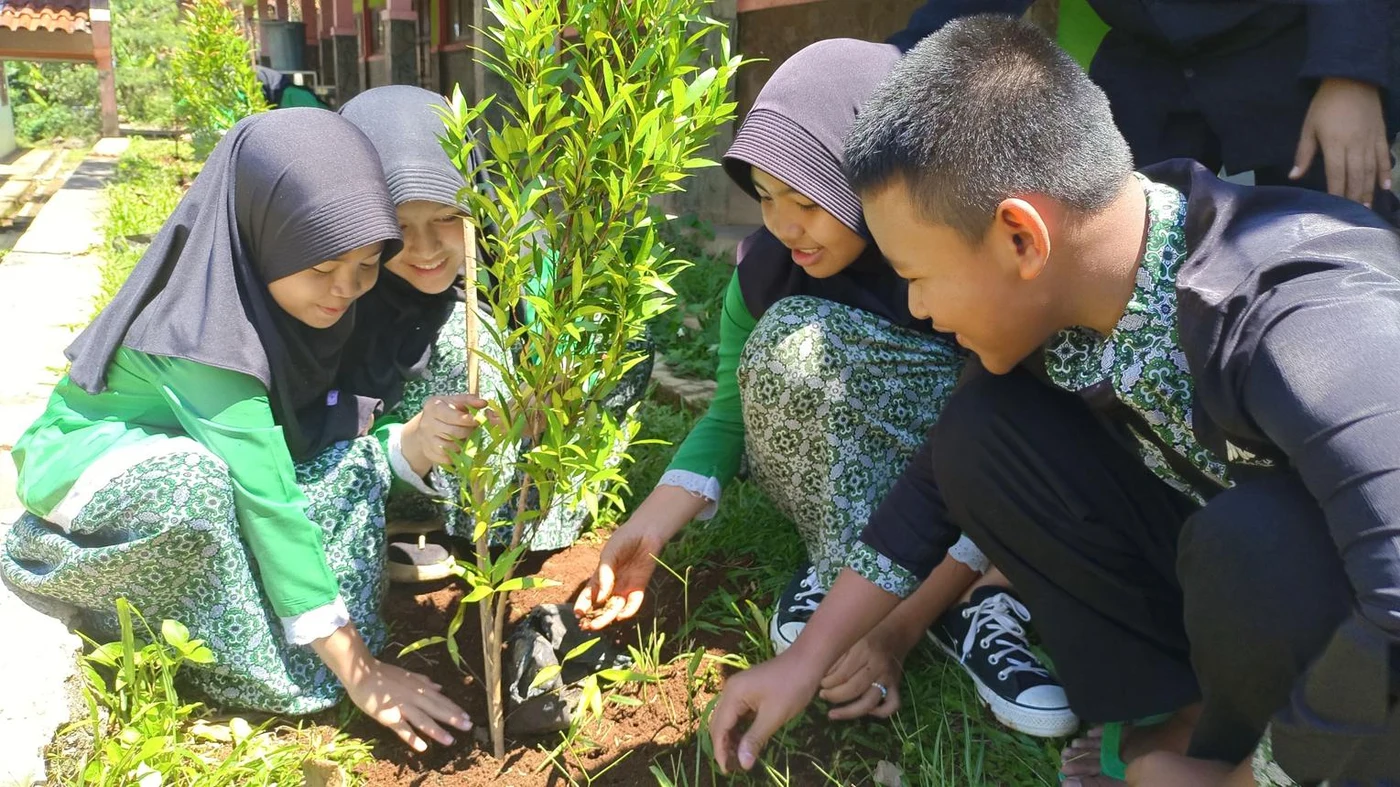
Figure 25: Illustration supporting 5.1.4 Dimensions of Morality in Islam.
6. Moral Relationship with Animals
Islam teaches kindness towards animals.
Examples include:
- Providing food and water to animals.
- Avoiding unnecessary cruelty.
- Providing appropriate shelter.
- Treating working animals humanely.
- Avoiding destruction of animal habitats.
5.1.5 Summary of the Dimensions of Morality
|
Dimension |
Expected behaviour |
|---|---|
|
Relationship with Allah |
Worship, obedience and gratitude |
|
Relationship with oneself |
Hygiene, self-discipline and healthy living |
|
Relationship with family |
Respect, kindness and responsibility |
|
Relationship with other people |
Honesty, fairness and compassion |
|
Relationship with the environment |
Cleanliness and conservation |
|
Relationship with animals |
Kindness and protection |
5.1.6 Purpose of Morality in Islam
1. Promotes Good Character
Islamic morality encourages Muslims to develop positive behaviour.
2. Promotes Peaceful Coexistence
People who practise good morals are more likely to maintain peaceful relationships.
3. Strengthens Families
Respect, honesty and responsibility help build strong families.
4. Promotes Justice
Islamic morality discourages oppression and encourages fairness.
5. Encourages Responsibility
Muslims learn to take responsibility for their actions.
6. Reduces Social Problems
Good moral conduct helps reduce dishonesty, violence, corruption and other harmful behaviours.
7. Strengthens Faith
Practising Islamic moral values demonstrates commitment to religious teachings.
8. Promotes Compassion
Muslims are encouraged to care for the needs of others.
9. Encourages Environmental Conservation
Islamic morality teaches responsibility towards the natural environment.
10. Promotes Social Development
Good moral conduct contributes to a peaceful, responsible and cooperative society.
5.1.7 Ways of Practising Islamic Moral Values in Daily Life
|
Situation |
Good moral behaviour |
|---|---|
|
At home |
Respect parents and help family members |
|
At school |
Respect teachers and fellow learners |
|
In the mosque |
Maintain cleanliness and respect worshippers |
|
In the market |
Be honest in business transactions |
|
On the road |
Respect traffic rules and other road users |
|
In the community |
Help needy people |
|
In the environment |
Avoid littering and pollution |
|
With animals |
Provide care and avoid cruelty |
|
During disagreements |
Remain calm and seek peaceful solutions |
|
Online |
Avoid spreading false information and insulting others |
5.1.8 Islamic Values as a Form of Ibadah
Ibadah refers to acts of worship through which Muslims demonstrate obedience to Allah.
Ibadah includes formal acts of worship such as Swalah, Saum and Zakat.
It also includes good actions performed sincerely in accordance with Islamic teachings.
Examples include:
- Helping a needy person.
- Respecting parents.
- Teaching someone useful knowledge.
- Giving charity.
- Maintaining good relationships.
- Speaking truthfully.
- Caring for the environment.
These actions can become acts of worship when performed with sincere intentions and according to Islamic guidance.
5.1.9 Consequences of Failing to Practise Good Morals
- Increased conflicts.
- Dishonesty and mistrust.
- Family disagreements.
- Disrespect towards others.
- Exploitation of vulnerable people.
- Corruption.
- Environmental destruction.
- Poor relationships.
- Weak community cooperation.
- Negative influence on young people.
Key inquiry question
Why should Muslims have good morals?