
5.2.1 Meaning of Virtues
Virtues are positive moral qualities that guide people towards good behaviour.
In Islam, virtues are qualities encouraged by Allah and demonstrated through the teachings and example of Prophet Muhammad (S.A.W.).
They help Muslims develop good character, maintain peaceful relationships and contribute positively to society.
Examples of Islamic virtues include:
- Truthfulness.
- Forgiveness.
- Patience.
- Kindness.
- Humility.
- Generosity.
- Compassion.
- Respect.
- Justice.
- Honesty.
The Grade 7 curriculum specifically focuses on two virtues:
- Truthfulness.
- Forgiveness.
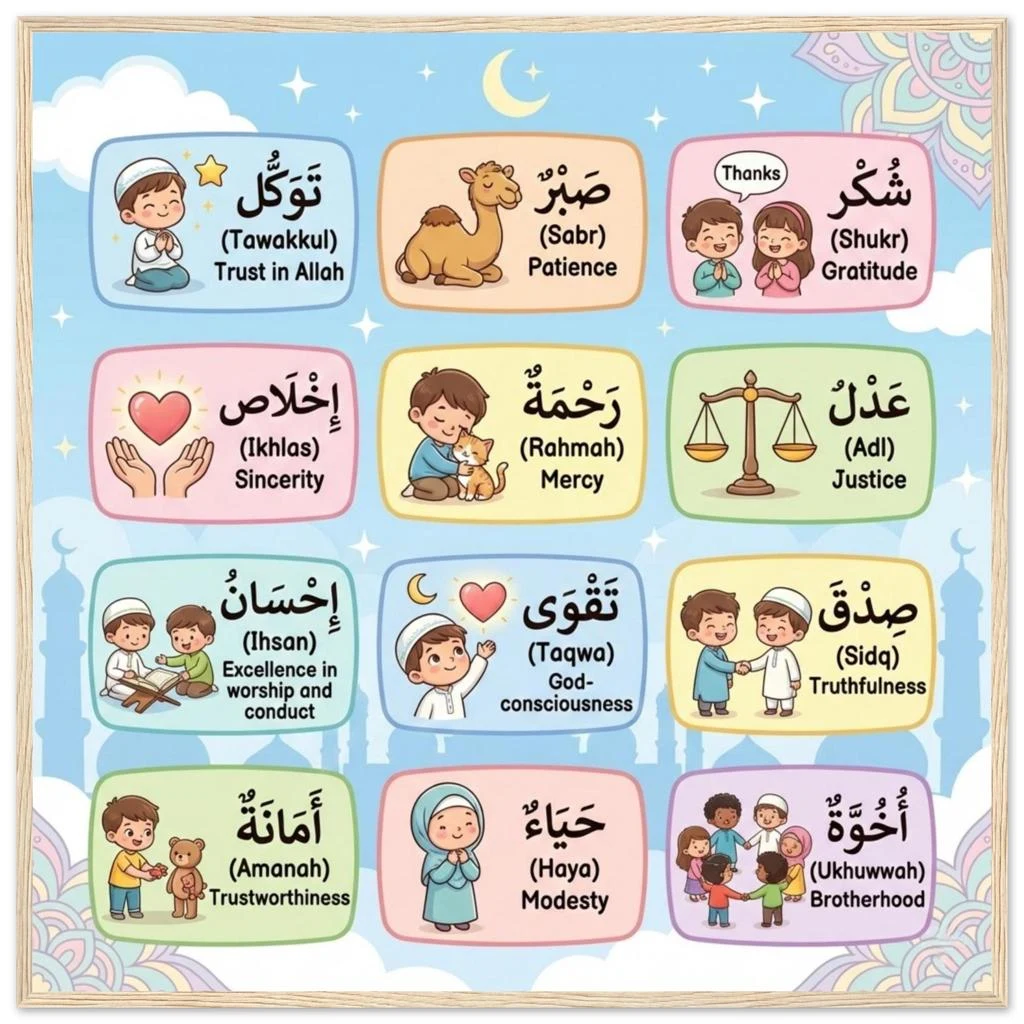
Figure 26: Illustration supporting 5.2.1 Meaning of Virtues.
5.2.2 Meaning of Truthfulness (Sidq)
Truthfulness, known in Arabic as Sidq, refers to the quality of speaking the truth and being honest in one's words, actions and dealings with others.
A truthful Muslim avoids lying, cheating, deception and false accusations.
Truthfulness is an important Islamic virtue because it builds trust and strengthens relationships.
5.2.3 Forms of Truthfulness in Islam
1. Truthfulness in Speech
This means speaking honestly and avoiding false statements.
Examples:
- Giving correct information.
- Avoiding lies.
- Reporting events accurately.
- Avoiding spreading rumours.
2. Truthfulness in Actions
A Muslim should ensure that their actions agree with their words.
For example, a learner who promises to help clean the classroom should fulfil that promise.
3. Truthfulness in Business
Muslims should be honest when buying and selling goods.
Examples:
- Giving accurate information about products.
- Avoiding false measurements.
- Avoiding dishonest pricing practices.
- Not hiding defects in goods.
4. Truthfulness in Worship
Muslims should perform acts of worship sincerely and avoid pretending to be religious to impress others.
5. Truthfulness in Relationships
Muslims should be honest with family members, friends, teachers and other people.
5.2.4 Importance of Truthfulness in Islam
1. Builds Trust
People are more likely to trust someone who consistently tells the truth.
2. Strengthens Relationships
Truthfulness helps maintain healthy relationships among family members and friends.
3. Promotes Peace
Honesty reduces misunderstandings, suspicion and conflict.
4. Demonstrates Good Character
A truthful person demonstrates integrity and responsibility.
5. Encourages Accountability
Truthfulness helps people accept responsibility for their actions.
6. Promotes Justice
Accurate information helps ensure that decisions are made fairly.
7. Strengthens Faith
Truthfulness is an important quality encouraged by Islamic teachings.
8. Promotes Good Leadership
Leaders who speak truthfully gain the confidence of the people they serve.
5.2.5 Examples of Truthfulness in Daily Life
|
Situation |
Truthful behaviour |
|---|---|
|
At school |
Admitting when one has not completed an assignment |
|
During examinations |
Avoiding cheating |
|
At home |
Telling parents what actually happened |
|
In business |
Giving correct information about goods |
|
Among friends |
Keeping promises |
|
Online |
Sharing accurate information |
|
In the community |
Giving honest statements when asked questions |
5.2.6 Consequences of Dishonesty
Dishonesty is the opposite of truthfulness.
It involves lying, cheating, deception and intentionally providing false information.
Consequences include:
- Loss of trust.
- Broken friendships.
- Family disagreements.
- Academic dishonesty.
- Business losses.
- Unfair treatment of others.
- Increased conflict.
- Damage to personal reputation.
- Weakening of social relationships.
- Disobedience to Islamic teachings.
5.2.7 Qur'anic Teachings on Truthfulness
Surah At-Tawbah (9:119)
This verse instructs believers to fear Allah and remain with those who are truthful.
It teaches Muslims to associate with honest people and practise truthfulness.
Surah Al-Ahzab (33:70)
This verse instructs believers to be mindful of Allah and speak words that are correct and appropriate.
It reminds Muslims to use truthful and responsible language.
5.2.8 Hadith Teaching on Truthfulness
Prophet Muhammad (S.A.W.) taught that truthfulness leads to righteousness and righteousness leads to Paradise.
He also warned against lying because it leads to wrongdoing.
Source: Sahih Al-Bukhari and Sahih Muslim.
This Hadith encourages Muslims to make truthfulness a regular part of their behaviour.
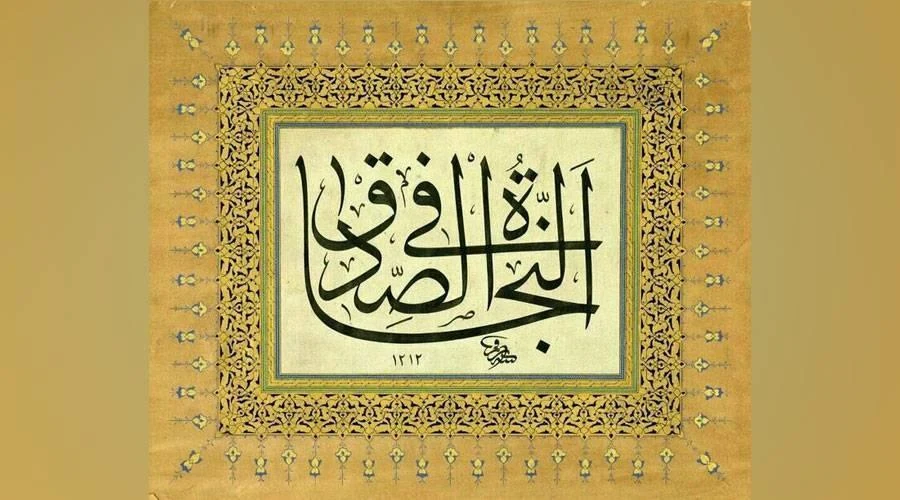
Figure 27: Illustration supporting 5.2.8 Hadith Teaching on Truthfulness.
5.2.9 Meaning of Forgiveness (Al-Afwu)
Forgiveness, known in Arabic as Al-Afwu, refers to willingly pardoning someone who has wronged or offended you.
In Islam, forgiveness is an important virtue that promotes peace, compassion and harmonious relationships.
It encourages Muslims to avoid unnecessary hatred and revenge.
Forgiveness does not mean accepting wrongdoing or allowing someone to continue harming others.
A Muslim may forgive someone while still seeking justice or appropriate protection where necessary.
5.2.10 Importance of Forgiveness in Islam
1. Promotes Peace
Forgiveness helps resolve disagreements and reduce hostility.
2. Strengthens Relationships
Forgiving others can help restore relationships between family members and friends.
3. Demonstrates Good Character
A forgiving person demonstrates patience, kindness and self-control.
4. Reduces Anger
Forgiveness helps individuals manage anger and avoid unnecessary revenge.
5. Encourages Unity
Forgiveness helps people live together peacefully.
6. Demonstrates Compassion
It shows concern for the feelings and weaknesses of other people.
7. Encourages Repentance
When people are forgiven, they may become more willing to acknowledge their mistakes and improve their behaviour.
8. Seeks Allah's Pleasure
Muslims are encouraged to forgive others in the hope of receiving Allah's mercy and forgiveness.
5.2.11 Qur'anic Teachings on Forgiveness
Surah An-Nur (24:22)
This verse encourages believers to pardon and overlook the mistakes of others.
It reminds Muslims that they should desire Allah's forgiveness.
Surah Ash-Shura (42:40)
This verse teaches that responding to wrongdoing with justice is permissible, but forgiveness and reconciliation carry great reward.
It encourages Muslims to consider forgiveness when it can lead to a positive outcome.
5.2.12 Qualities of a Forgiving Muslim
A forgiving Muslim should demonstrate:
- Patience.
- Compassion.
- Humility.
- Self-control.
- Understanding.
- Kindness.
- Willingness to reconcile.
- Respect for others.
- Emotional maturity.
- Commitment to peaceful relationships.
5.2.13 Ways of Practising Forgiveness in Daily Life
|
Situation |
Application of forgiveness |
|---|---|
|
A friend insults you |
Avoid immediate revenge and seek peaceful resolution |
|
A sibling breaks something accidentally |
Listen and forgive when appropriate |
|
A classmate makes a mistake |
Give the person an opportunity to correct it |
|
A neighbour causes a misunderstanding |
Discuss the matter calmly |
|
A friend apologises |
Accept a genuine apology when safe and appropriate |
|
A family member makes an error |
Avoid unnecessary hatred and seek reconciliation |

Figure 28: Illustration supporting 5.2.13 Ways of Practising Forgiveness in Daily Life.
5.2.14 Difference Between Truthfulness and Forgiveness
|
Truthfulness |
Forgiveness |
|---|---|
|
Means speaking and acting honestly |
Means pardoning someone who has wronged you |
|
Promotes honesty |
Promotes reconciliation |
|
Builds trust |
Restores relationships |
|
Discourages lying |
Discourages unnecessary revenge |
|
Encourages accountability |
Encourages compassion |
|
Promotes justice |
Promotes peace |
5.2.15 Benefits of Practising Truthfulness and Forgiveness Together
- Creates peaceful relationships.
- Builds trust.
- Reduces unnecessary conflict.
- Encourages accountability.
- Strengthens families.
- Promotes cooperation.
- Develops good character.
- Encourages reconciliation.
- Strengthens the Muslim community.
- Promotes obedience to Allah.
5.2.16 Practical Activity: Demonstrating Truthfulness and Forgiveness
Activity 1: Role-play on Truthfulness
Learners form small groups and act out a situation in which one learner accidentally damages school property.
The learner admits the mistake and takes responsibility.
Other learners discuss why telling the truth is important.
Activity 2: Role-play on Forgiveness
Learners demonstrate a situation in which two friends disagree and one apologises.
They demonstrate how the disagreement can be resolved through respectful communication and forgiveness.
Activity 3: Recording Positive Behaviour
Learners record examples of truthfulness and forgiveness observed in their homes, schools or communities.
Key inquiry questions
- Why should a Muslim be truthful?
- Why is it important for a Muslim to exercise forgiveness?