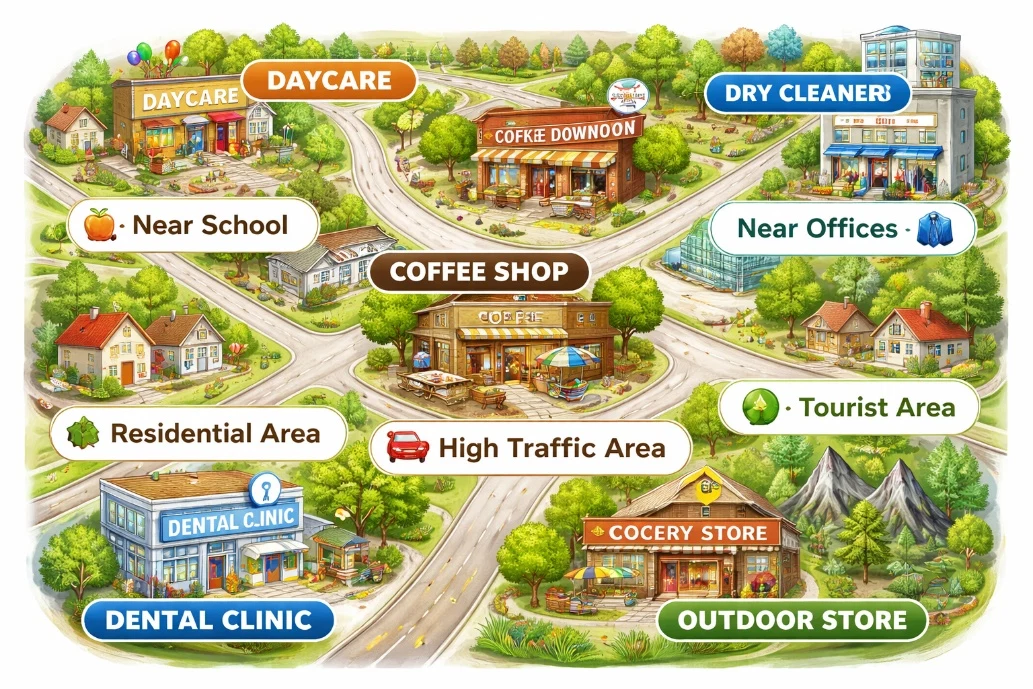
Learning Outcomes
By the end of this sub-strand, the learner should be able to:
- a) Explain the importance of marketing to a business
- b) Analyse the sources of information about the market for its potential customers
- c) Explore factors considered when selecting a suitable market for goods and services
- d) Select tools to market goods and services
- e) Recognise suitable markets for goods and services
a) Explain the Importance of Marketing to a Business
Marketing is the process of identifying, anticipating, and satisfying customer needs profitably. It involves promoting, selling, and distributing products or services.
Market: A place or system where buyers and sellers interact to exchange goods and services.
Consumer: The person who buys and uses the goods or services.
Importance of Marketing:
|
Importance |
Explanation |
|---|---|
|
Creates Awareness |
Informs potential customers that a product or service exists. Without marketing, people wouldn't know about the business. |
|
Attracts Customers |
Effective marketing persuades people to choose your business over competitors. |
|
Builds Brand Reputation |
Consistent marketing builds trust and recognition for the business name and logo. |
|
Increases Sales and Revenue |
More customers and repeat business lead directly to higher sales and profits. |
|
Provides Customer Insights |
Marketing research helps understand what customers want, need, and are willing to pay. |
|
Helps in Product Development |
Feedback from marketing efforts guides improvements to existing products or creation of new ones. |
|
Manages Competition |
A strong marketing strategy helps a business stand out in a crowded marketplace. |
|
Supports Business Growth |
Marketing fuels the expansion of the business into new markets or with new products. |
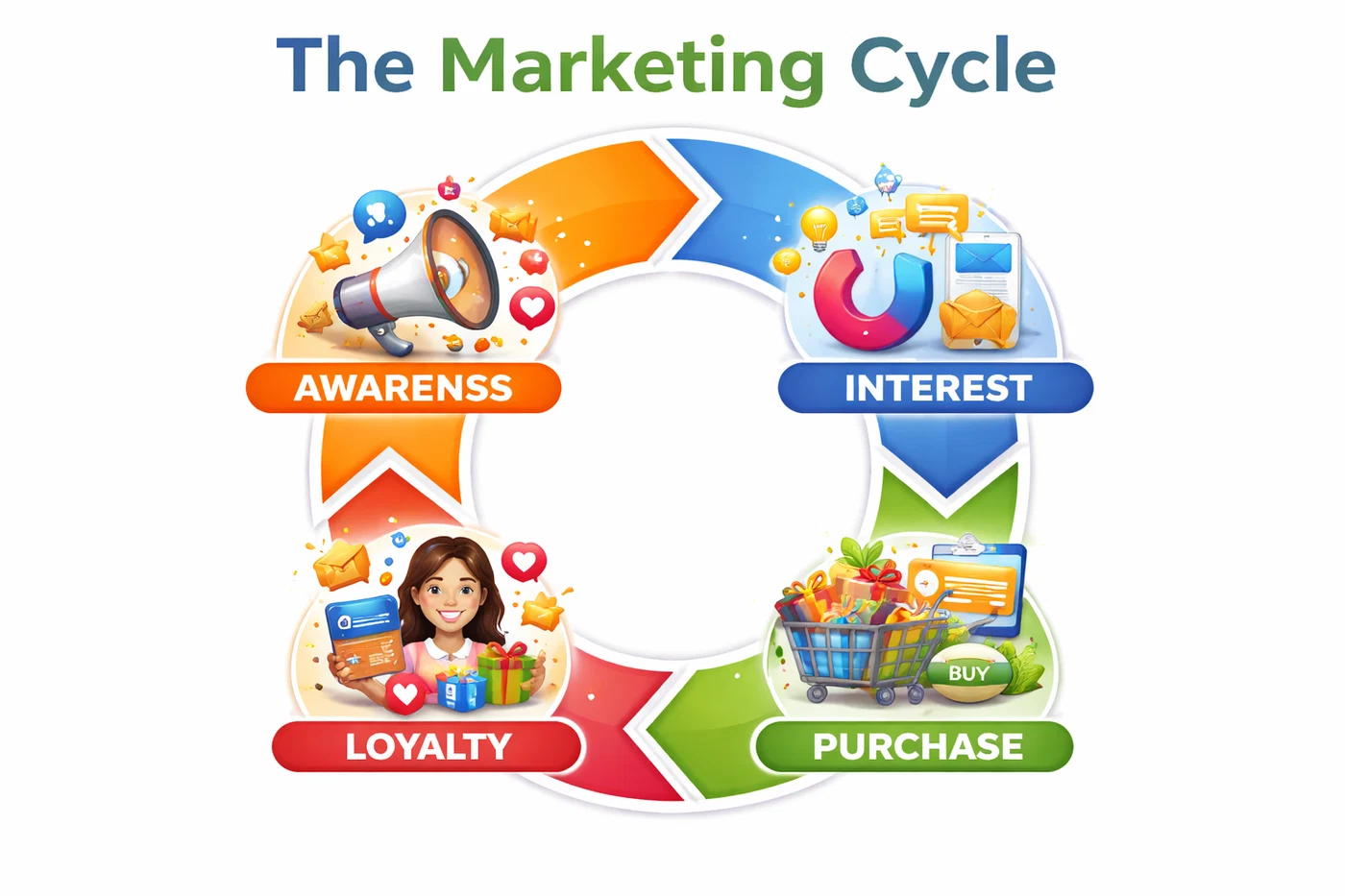
b) Analyse the Sources of Information About the Market for Its Potential Customers
Understanding the market requires gathering information. This is called Market Research.
|
Source of Information |
Description |
Advantages |
Disadvantages |
|---|---|---|---|
|
Personal Observation |
Watching customer behavior in a similar business or in a potential location. |
Low cost, direct insight into real behavior. |
Time-consuming, may be subjective, limited sample size. |
|
Surveys and Questionnaires |
Asking a group of people a set of prepared questions (paper or online). |
Can gather specific data from many people, quantifiable results. |
Response rates can be low, questions must be well-designed. |
|
Interviews |
One-on-one conversations with potential customers. |
Rich, detailed information, can explore topics in depth. |
Time-consuming, more expensive, smaller sample size. |
|
Focus Group Discussions |
Facilitated discussion with a small group (6-10 people) representing the target market. |
Generates diverse ideas and reactions, group interaction can spark insights. |
Requires skilled facilitator, may be dominated by vocal individuals. |
|
Family and Friends |
Asking people you know for their opinions and experiences. |
Easy and free, trusted source. |
May be biased, may not represent the broader market. |
|
Internet and Social Media |
Reading online reviews, comments on social media pages of competitors, using search trends. |
Vast amount of information, real-time, often free. |
Information may be inaccurate or biased, requires time to filter. |
|
Mass Media |
Analyzing advertisements and news articles about the industry in newspapers, radio, TV. |
Provides broad context about the industry and trends. |
Not specific to the local market. |
|
Government Publications and Reports |
Data from Kenya National Bureau of Statistics (KNBS) on population, income, etc. |
Reliable, authoritative data on demographics and economic conditions. |
May be outdated or too broad for specific business needs. |
|
Competitor Analysis |
Visiting competitors' businesses, noting their prices, products, customer service, and marketing tactics. |
Direct insight into what works and what doesn't in the local market. |
Can only observe, not access internal data. |
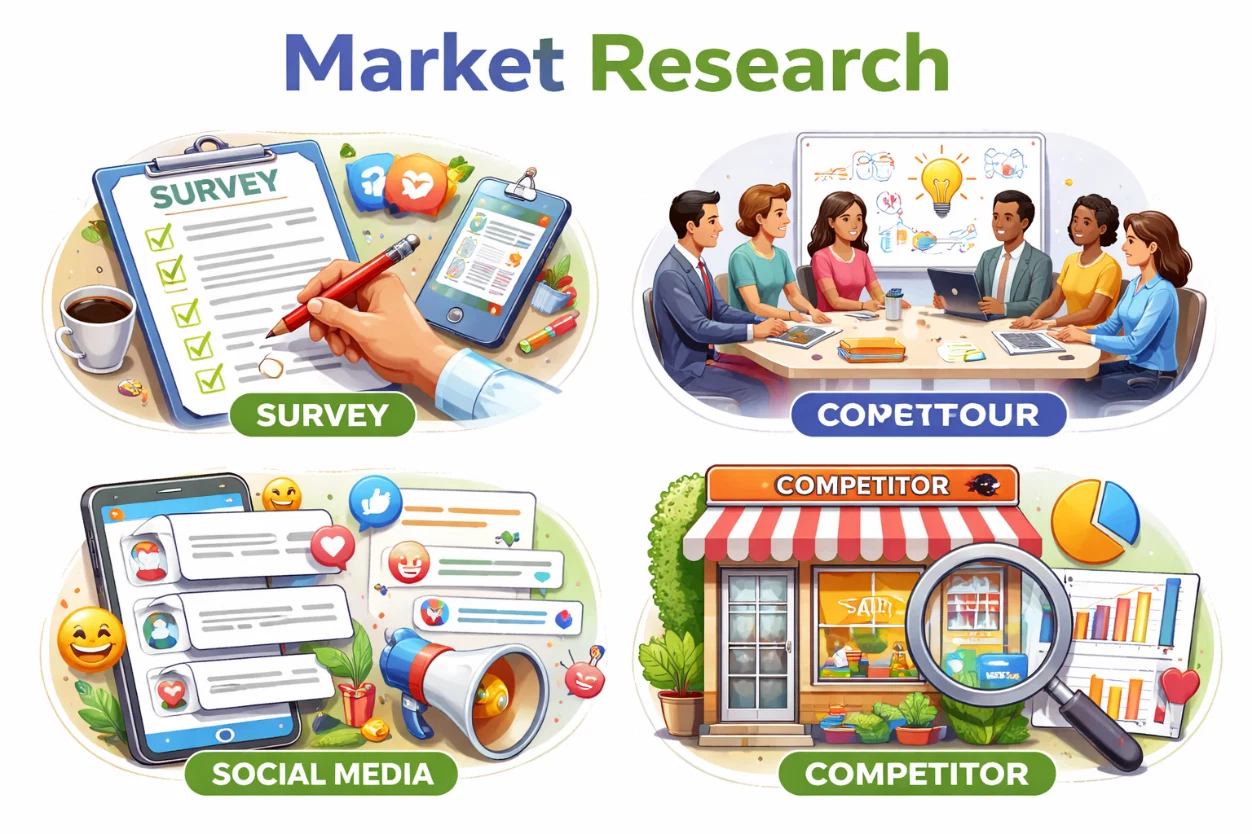
c) Explore Factors Considered When Selecting a Suitable Market for Goods and Services
Choosing the right market to target is critical for success.
|
Factor |
What to Consider |
Example |
|---|---|---|
|
Customer Demographics |
Age, gender, income level, education, occupation of the target customer. |
A salon targeting university students will have different pricing and services than one targeting corporate executives. |
|
Customer Needs and Preferences |
What do customers in that market value? Price, quality, convenience, or brand? |
In a low-income area, customers may prioritize low prices. In an affluent area, they may value high quality and service. |
|
Market Size and Growth Potential |
Is the market large enough to support your business? Is it growing or shrinking? |
Opening a cybercafé in a village with few computer users may not be viable. |
|
Level of Competition |
How many other businesses offer similar products? Who are the main competitors, and what are their strengths and weaknesses? |
A market with too many salons may be saturated; you would need a unique selling point. |
|
Accessibility and Location |
Is the market physically accessible to your business and your customers? Consider transport links and proximity. |
A posho mill needs to be accessible to farmers bringing maize. |
|
Economic Conditions |
What is the general level of income and employment in the area? Are people able to afford your product? |
Selling luxury items in an area with high unemployment would be difficult. |
|
Legal and Regulatory Environment |
Are there specific licenses, permits, or regulations for operating in that market? |
Some markets require county government trading licenses. |
|
Cultural Factors |
Are there cultural norms, beliefs, or practices that might affect the acceptance of your product? |
Certain foods may not be acceptable in some communities. |
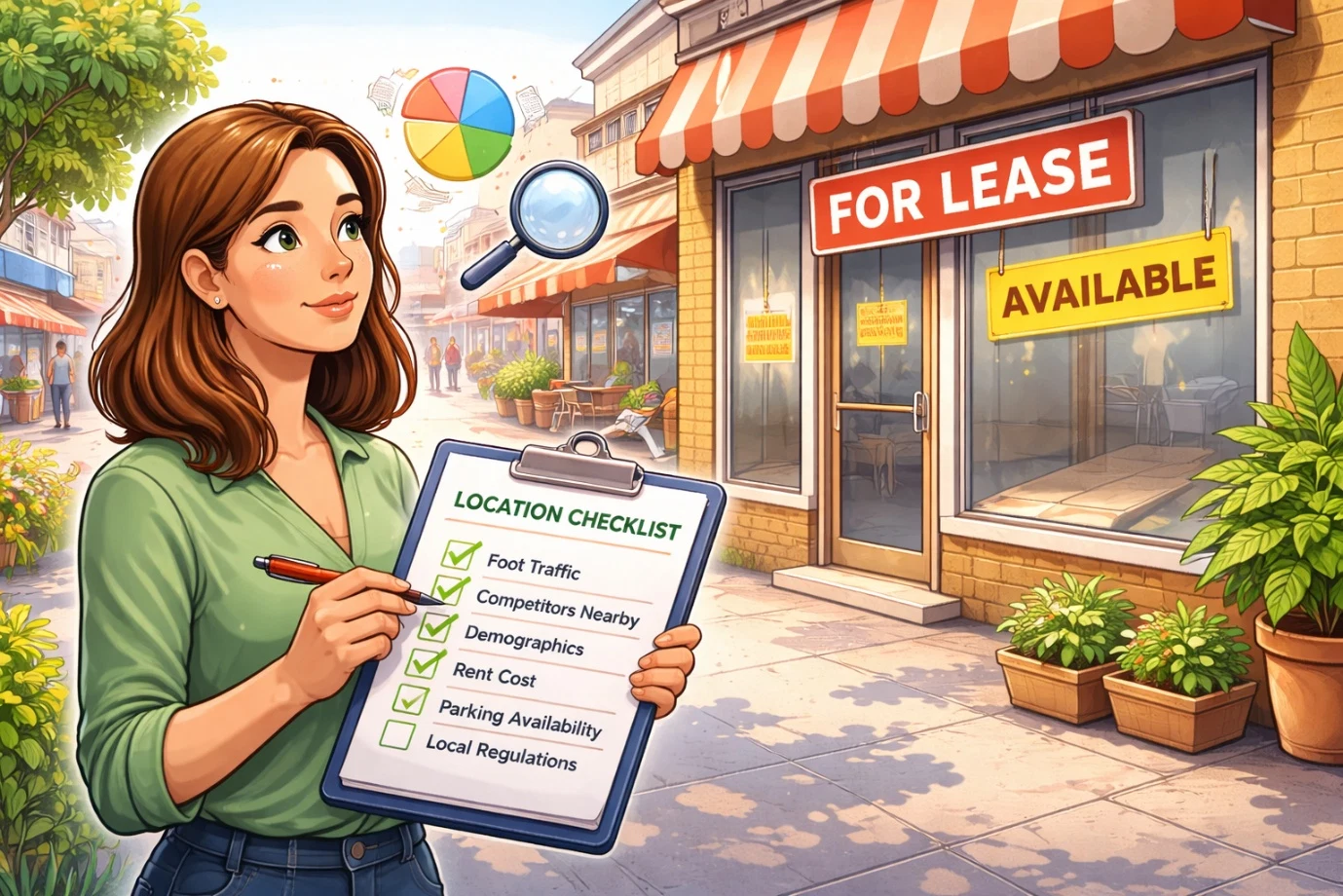
d) Select Tools to Market Goods and Services
Modern marketing uses a mix of traditional and digital tools.
Traditional Marketing Tools:
|
Tool |
Description |
Best For |
|---|---|---|
|
Word of Mouth |
Satisfied customers tell others about your business. |
Building trust, local businesses. |
|
Signage and Banners |
A clear, visible sign outside your shop or a banner at the roadside. |
Attracting passersby, location awareness. |
|
Flyers and Brochures |
Printed material distributed in the area or left at strategic points. |
Local promotion, announcing offers. |
|
Business Cards |
Small cards with contact information. |
Networking, professional image. |
|
Local Radio Advertising |
Short adverts on local radio stations. |
Reaching a broad local audience. |
|
Community Engagement |
Sponsoring a local sports team or event. |
Building community goodwill and visibility. |
Digital/ICT Marketing Tools:
|
Tool |
Description |
Best For |
|---|---|---|
|
Mobile Phone (Calls and SMS) |
Directly contacting customers via phone calls or sending bulk SMS promotions. |
Personal communication, appointment reminders, quick offers. |
|
WhatsApp Business |
Creating a business profile, using catalogs to showcase products, sending updates to customers via broadcast lists. |
Engaging with customers, taking orders, sharing photos of products. |
|
Facebook Page |
Creating a free business page to share updates, photos, and interact with customers. |
Building an online community, reaching a wider audience. |
|
|
Sharing high-quality photos and short videos of products or services. |
Businesses that are visually appealing (e.g., fashion, food, salons, events). |
|
TikTok |
Creating short, engaging video content to reach a younger audience. |
Viral marketing, showing behind-the-scenes, creative product demos. |
|
Google My Business |
Listing your business on Google Maps so customers can easily find your location and see reviews. |
Local search visibility; when people search "salon near me". |
|
Email Marketing |
Sending newsletters, promotions, and updates to a list of email subscribers. |
Maintaining relationships with existing customers. |
|
Website |
A dedicated website for your business with full information, online store, and contact details. |
Establishing a professional online presence, e-commerce. |
Choosing the Right Tool: Consider your budget, your target audience's media habits, and the nature of your product.

e) Recognise Suitable Markets for Goods and Services
Matching a product or service to the right market is key.
|
Product / Service |
Suitable Market(s) |
Rationale |
|---|---|---|
|
School Uniforms |
Areas near primary and secondary schools; online groups for parents. |
Proximity to schools ensures a steady flow of customers, especially during back-to-school season. |
|
Boda Boda (Motorcycle Taxi) Services |
Busy trading centers, near bus/matatu stages, residential estates with poor internal roads. |
High demand for short-distance, quick transport. |
|
Fresh Vegetables (Mama Mboga) |
Residential estates, near busy roads where people walk home from work. |
Convenience for daily shoppers picking up items on their way home. |
|
Cybercafé and Printing Services |
Near colleges, universities, or business districts. |
Students and professionals need printing, photocopying, and internet access. |
|
Salon for Braiding and Styling |
Densely populated residential areas, near colleges/universities. |
Target demographic (women and girls) is concentrated in these areas. |
|
Hardware Store |
Areas with ongoing construction, near main roads for easy transport of bulky materials. |
Builders and contractors are the primary customers. |
|
Children's Daycare |
Residential areas with many young families, near workplaces for parent convenience. |
Parents need safe, convenient childcare options. |