
1. Modes of nutrition in animals
Animals exhibit heterotrophic nutrition, meaning they obtain organic nutrients by consuming other organisms or organic materials.
Common feeding categories include:
|
Feeding category |
Description |
Examples |
|---|---|---|
|
Herbivores |
Feed mainly on plants |
Cow, goat, rabbit |
|
Carnivores |
Feed mainly on animals |
Lion, leopard |
|
Omnivores |
Eat both plant and animal material |
Human, pig |
|
Scavengers |
Feed on dead animal matter |
Vulture, hyena |
|
Parasites |
Obtain nutrients from hosts |
Tapeworm, tick |
Scavenging and parasitism describe feeding behaviour or relationships and may overlap with broader dietary categories.
2. Human teeth and their functions
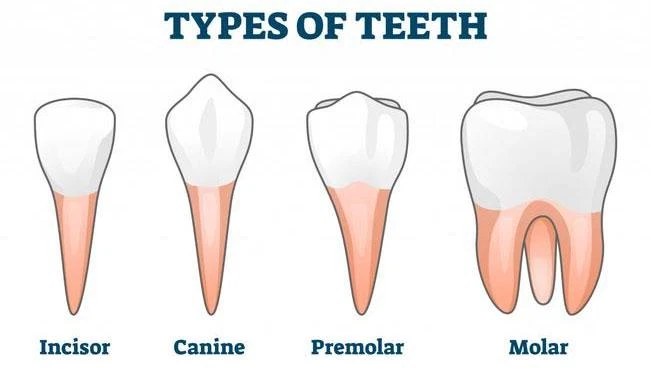
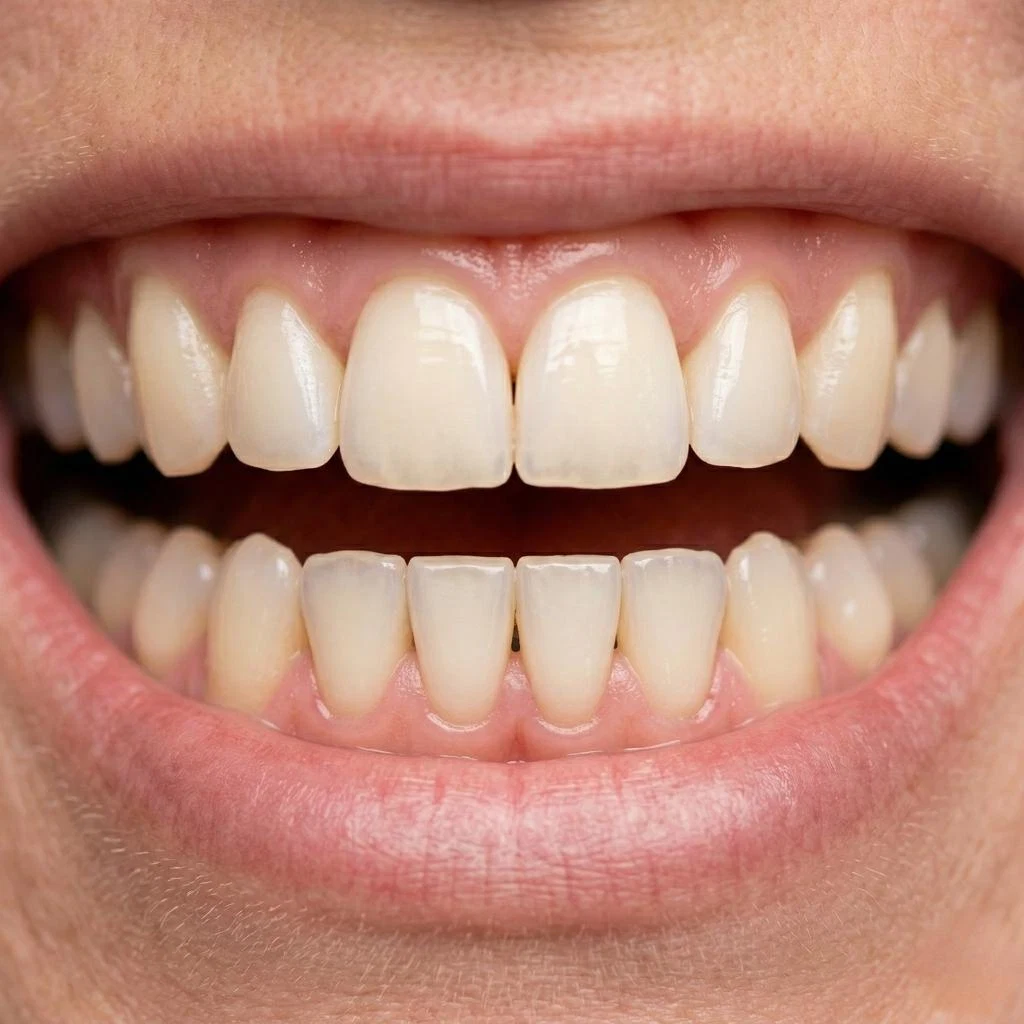
Teeth are used to bite, cut, tear, crush and grind food.
khoahoc.tv
|
Type of tooth |
Main function |
General appearance |
|---|---|---|
|
Incisor |
Cutting and biting food |
Sharp, chisel-shaped edge |
|
Canine |
Piercing and tearing food |
Pointed crown |
|
Premolar |
Crushing and grinding |
Broad crown with cusps |
|
Molar |
Grinding and crushing |
Large crown with several cusps |
3. Internal structure of a tooth
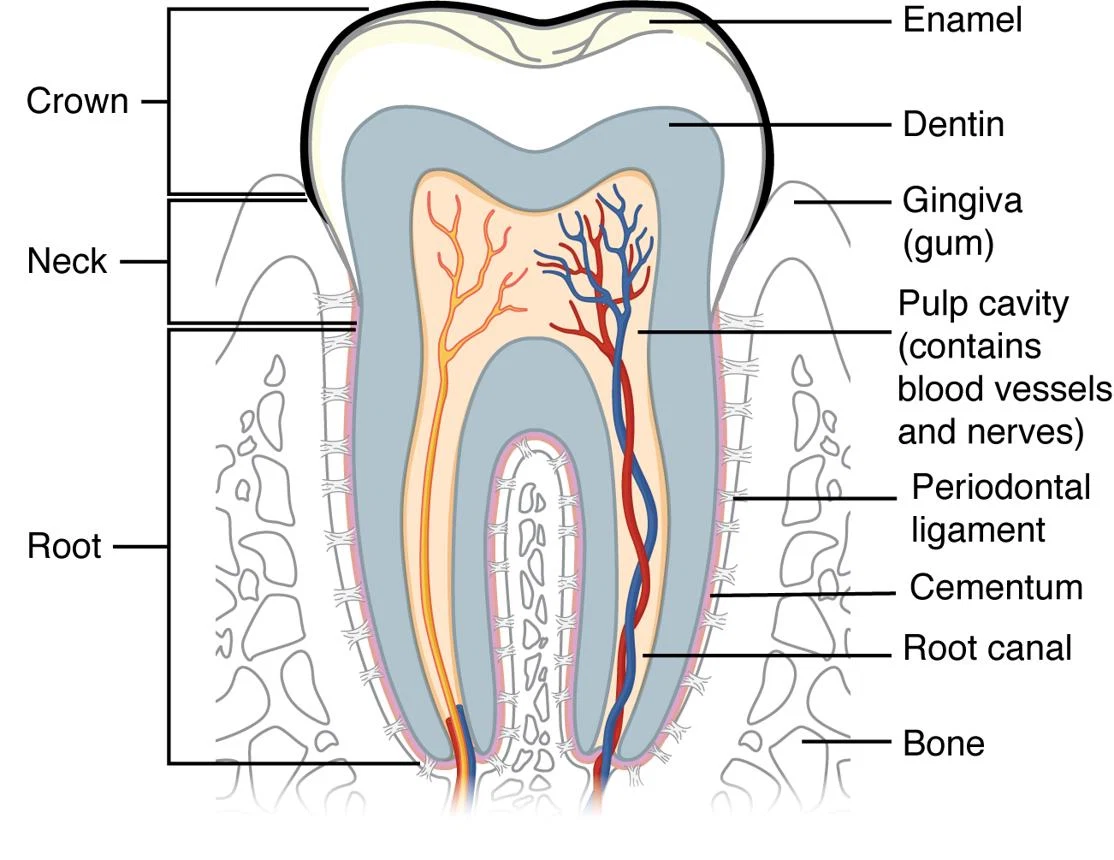
Crown: The visible part of the tooth above the gum.
Neck: The region between the crown and root.
Root: Anchors the tooth within the jaw.
Enamel: Very hard outer protective layer of the crown.
Dentine: Hard material beneath the enamel.
Pulp cavity: Contains nerves and blood vessels.
Cementum: Covers the root and helps anchor the tooth.
4. Human dental formula
The dental formula represents the number and arrangement of teeth on one side of the upper and lower jaws.
Adult human permanent dentition
On each side:
- 2 incisors in each jaw.
- 1 canine in each jaw.
- 2 premolars in each jaw.
- 3 molars in each jaw.
Total:
This is the typical complete adult dentition, including wisdom teeth. Some adults have fewer teeth.
5. Classification of animals based on dentition
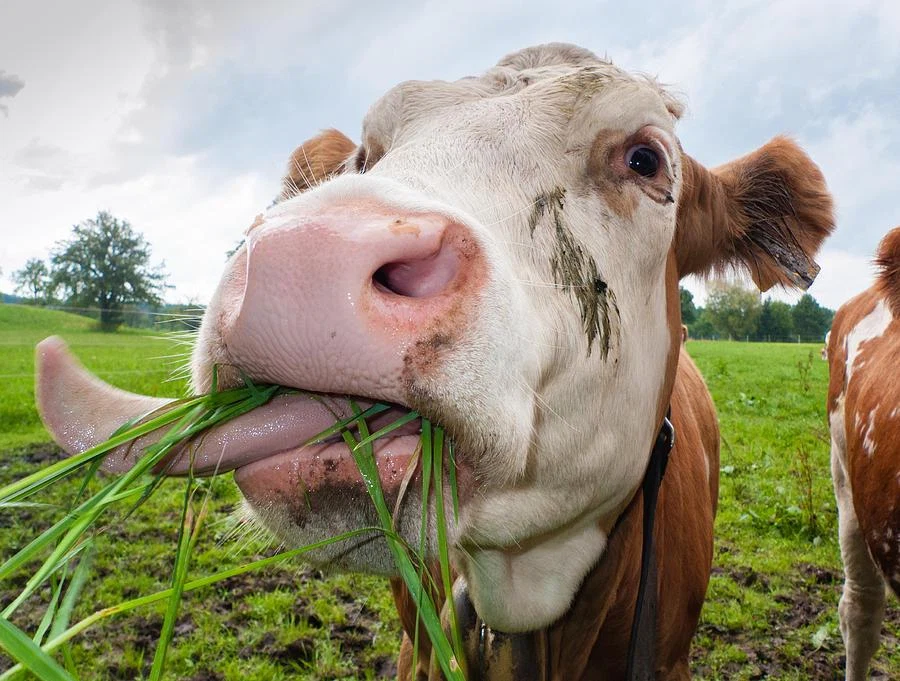
Herbivore
Grinding teeth suited to plant food
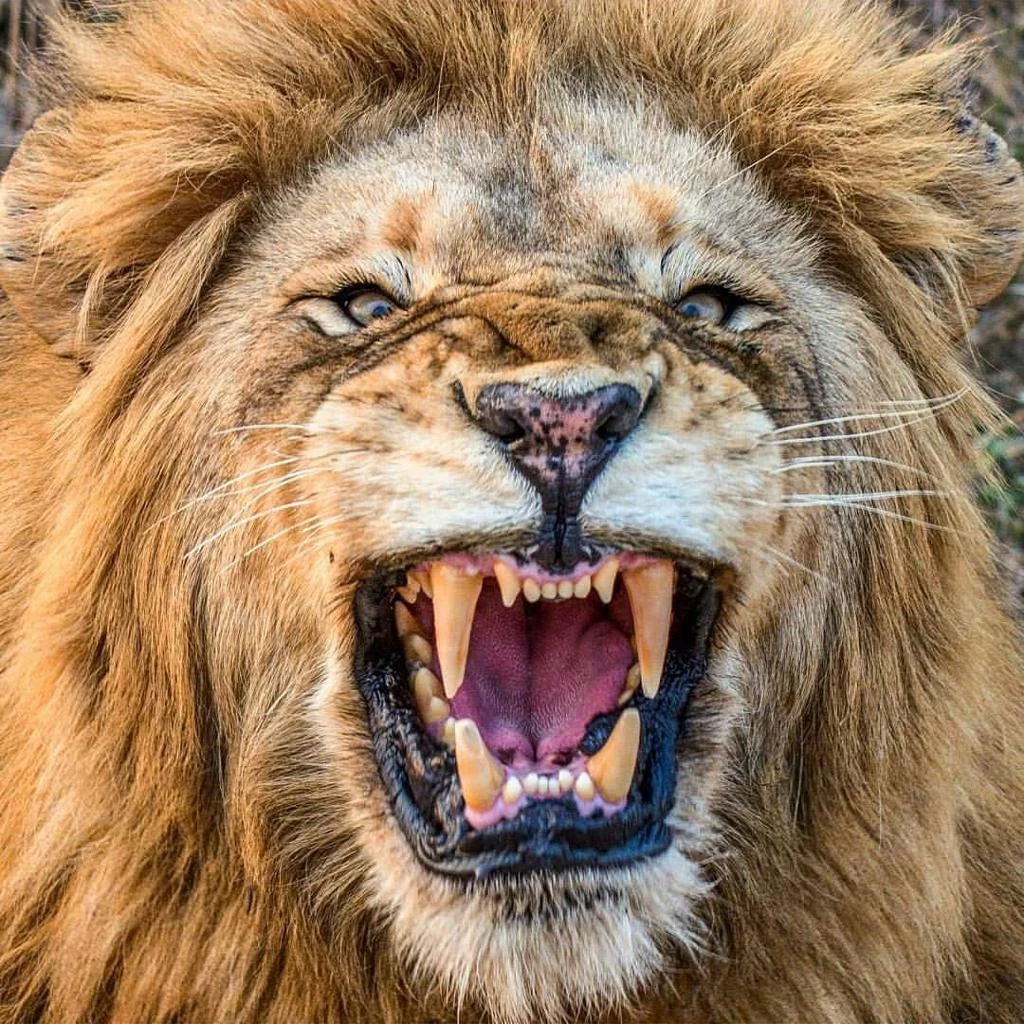
Carnivore
Sharp teeth for gripping and tearing flesh
Omnivore
Different tooth types for a varied diet
Herbivores usually possess broad grinding teeth. Carnivores often possess well-developed canines and specialised cutting teeth. Omnivores generally have teeth adapted for both cutting and grinding.
6. Digestion in human beings
Digestion is the breakdown of large, complex food substances into smaller molecules that can be absorbed and used by the body.
There are two main types:
Mechanical digestion: Physical breakdown of food into smaller pieces, such as chewing and stomach churning.
Chemical digestion: Breakdown of food by digestive enzymes into simpler substances.
7. The human digestive system
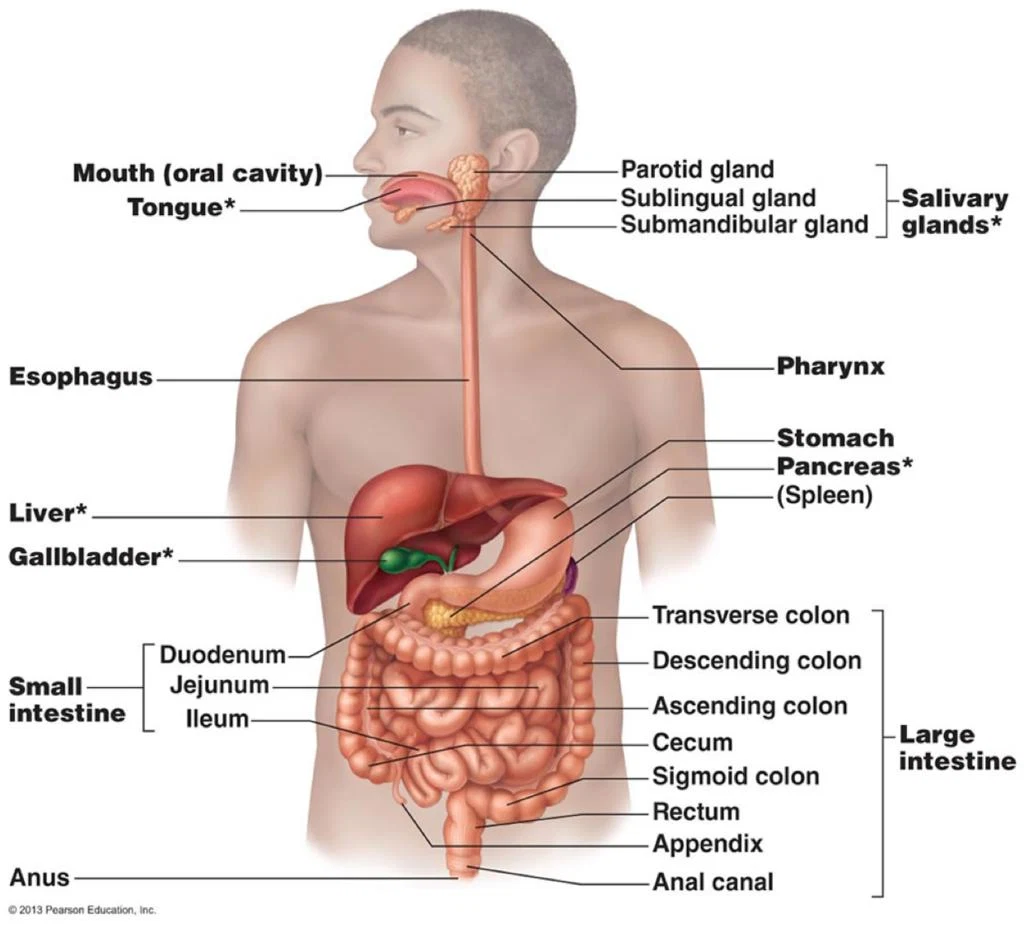
quizlet.com
|
Organ |
Function |
|---|---|
|
Mouth |
Chews food and mixes it with saliva; salivary amylase begins starch digestion |
|
Oesophagus |
Moves food to the stomach by peristalsis |
|
Stomach |
Churns food and begins significant protein digestion |
|
Liver |
Produces bile |
|
Gallbladder |
Stores and releases bile |
|
Pancreas |
Produces digestive enzymes and bicarbonate |
|
Small intestine |
Completes much digestion and absorbs most nutrients |
|
Large intestine |
Absorbs water and electrolytes and forms faeces |
|
Rectum |
Temporarily stores faeces |
|
Anus |
Controls elimination of faeces |
8. Stages of nutrition in humans
Ingestion
Taking food into the mouth
Digestion
Breaking food into simpler substances
Absorption
Moving digested nutrients into blood or lymph
Assimilation
Using absorbed nutrients in body cells
Egestion
Removing undigested material as faeces
9. Digestive enzymes
|
Enzyme |
Where it acts |
Main food acted upon |
Products |
|---|---|---|---|
|
Salivary amylase |
Mouth |
Starch |
Maltose and shorter carbohydrates |
|
Pepsin |
Stomach |
Proteins |
Shorter polypeptides |
|
Pancreatic amylase |
Small intestine |
Starch |
Maltose and shorter carbohydrates |
|
Trypsin and other proteases |
Small intestine |
Proteins and peptides |
Smaller peptides |
|
Lipase |
Small intestine |
Fats |
Fatty acids and monoglycerides |
|
Maltase |
Small intestine |
Maltose |
Glucose |
|
Sucrase |
Small intestine |
Sucrose |
Glucose and fructose |
Bile is not an enzyme. It helps emulsify fats into smaller droplets, increasing the surface available for lipase action.
10. Adaptations of the small intestine for absorption
- It is long, providing a large area for absorption.
- It has numerous folds, villi and microvilli.
- Villi contain blood capillaries for transporting many absorbed nutrients.
- Lacteals absorb most dietary fats after processing by intestinal cells.
- Its epithelial lining provides a short distance for nutrient movement.
11. Maintaining healthy teeth and digestion
Learners should:
- Brush their teeth twice daily using fluoride toothpaste.
- Reduce frequent consumption of sugary drinks and snacks.
- Eat a balanced diet containing fibre.
- Drink sufficient safe water.
- Wash hands before handling food.
- Practise food hygiene.
- Seek dental care when needed.
Activity 2.2
- Name four types of human teeth and state their functions.
- Compare the dentition of herbivores and carnivores.
- List the organs of the human alimentary canal in order.
- Distinguish between digestion and absorption.
- Explain why the small intestine has numerous villi.