
1. Meaning of an ecosystem
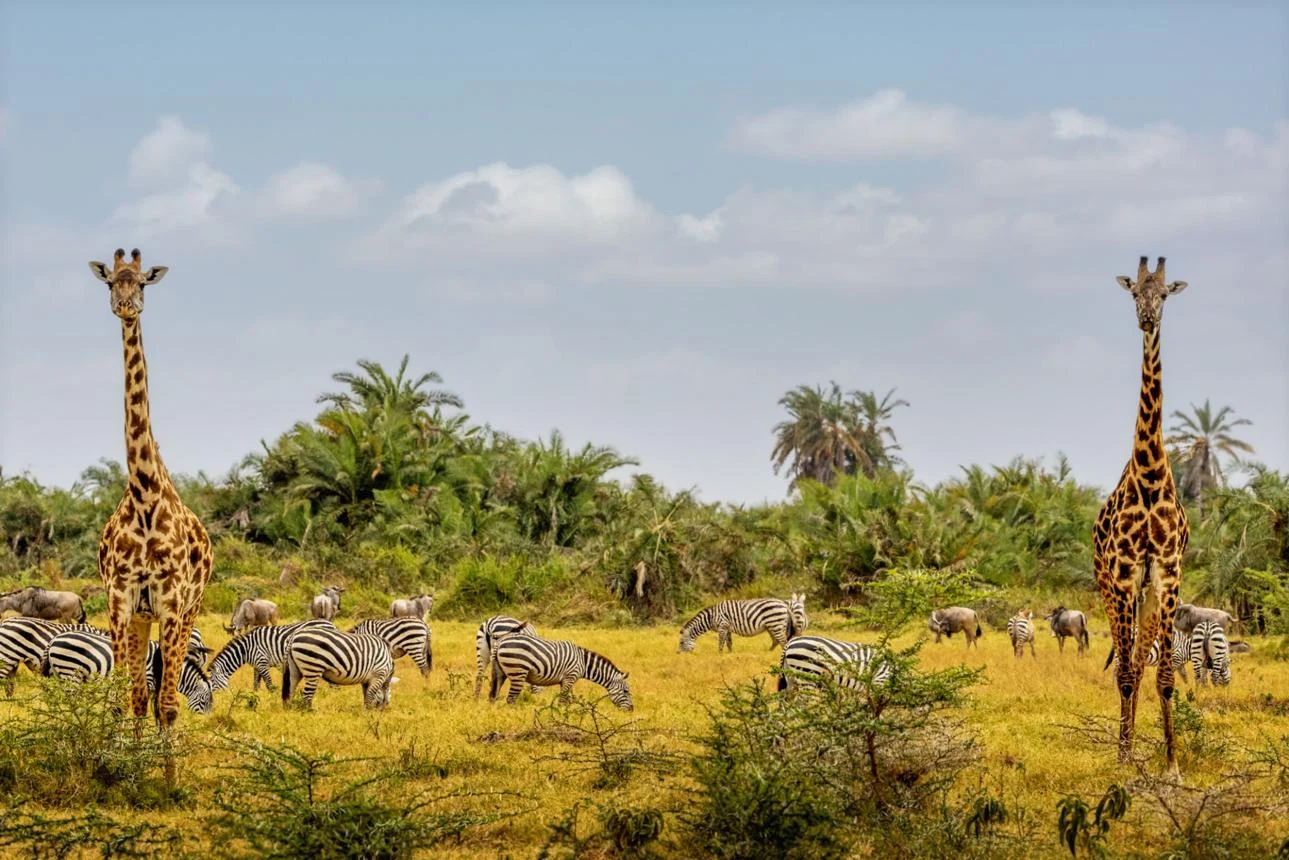
An ecosystem is a community of living organisms interacting with one another and with the non-living components of their surroundings.
Examples include forests, grasslands, rivers, lakes, farms and ponds.
2. Biotic factors
Biotic factors are the living components of an ecosystem.
Examples include plants, animals, fungi, bacteria and other microorganisms.
They are commonly grouped into:
Producers: Organisms such as green plants that manufacture organic food.
Consumers: Organisms that obtain food by eating other organisms or organic matter.
Decomposers: Organisms such as many bacteria and fungi that break down dead organic material and release nutrients.
3. Abiotic factors
Abiotic factors are the non-living physical and chemical components of the environment.
Examples include:
- Sunlight.
- Temperature.
- Water.
- Air.
- Soil.
- Mineral nutrients.
- Wind.
- Humidity.
- Soil pH.
4. Relationships between living and non-living components
Green plants use sunlight, water and carbon dioxide to make food.
Animals depend on oxygen, water and food.
Decomposers return nutrients to soil and water, making them available to producers again.
The survival and distribution of living organisms depend on suitable environmental conditions.
5. Food chains
A food chain is a sequence showing how energy and nutrients pass between organisms through feeding relationships.
Example: Grassland food chain
🌱
Grass
🦗
Grasshopper
🐸
Frog
🐍
Snake
🦅
Hawk
Arrows indicate the direction of energy transfer: from food to the organism consuming it.
In this simplified chain:
- Grass is a producer.
- Grasshopper is a primary consumer.
- Frog is a secondary consumer.
- Snake is a tertiary consumer.
- Hawk occupies a higher trophic level.
Actual feeding relationships are more complex than one chain can show.
6. Food webs
A food web consists of several interconnected food chains in an ecosystem.
Simplified grassland food web
Food webs help explain why changes in one population may affect several other populations.
For example, a sharp decrease in insects may reduce food availability for animals that feed on them.
7. Importance of interdependence
Interdependence:
- Supports movement of energy through ecosystems.
- Allows nutrients to be recycled.
- Supports pollination and seed dispersal.
- Helps maintain ecological relationships.
- Supports food production and human livelihoods.
8. Effects of human activities on the environment
|
Human activity |
Possible effect |
|---|---|
|
Deforestation |
Habitat loss, soil erosion, reduced biodiversity |
|
Pollution |
Contamination of air, water and soil |
|
Overgrazing |
Vegetation loss and soil degradation |
|
Overfishing |
Decline of aquatic populations |
|
Improper waste disposal |
Pollution and disease risks |
|
Excessive pesticide use |
Harm to non-target organisms |
|
Tree planting and habitat restoration |
Can improve habitat quality and soil protection |
|
Proper waste management |
Reduces pollution |
|
Sustainable farming |
Helps conserve resources |
9. Environmental conservation measures
Learners can contribute to conservation by planting appropriate trees, protecting water sources, avoiding littering, separating recyclable waste, conserving water and energy, and participating in school environmental clubs.
Activity 2.4: School environment study
Visit a supervised area within the school compound.
- Identify five biotic factors.
- Identify five abiotic factors.
- Construct two possible food chains.
- Explain how plants and animals depend on each other.
- Identify two human activities that may damage the area.
- Suggest ways of protecting the ecosystem.