
1. Meaning of a curved mirror
A curved mirror is a mirror whose reflecting surface forms part of a curved surface, commonly approximated by part of a sphere.
Curved mirrors reflect light and can form images that differ in size, position and orientation from the original object.
2. Types of curved mirrors
There are two main types.
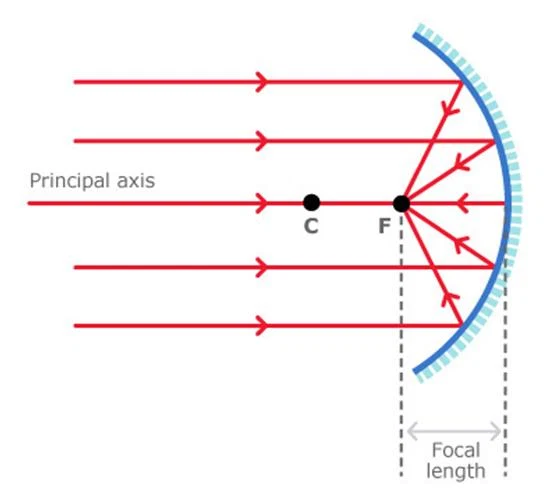
Concave mirror
Reflecting surface curves inward.
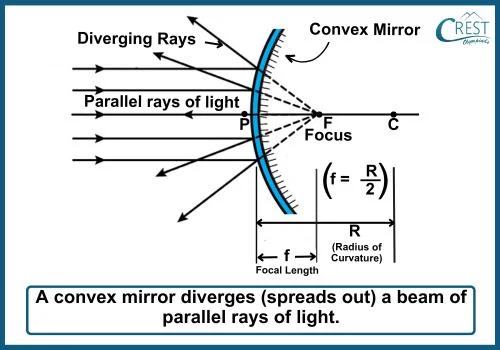
Convex mirror
Reflecting surface curves outward.
Concave mirror: A curved mirror whose reflecting surface bends inward. It can bring parallel rays to a focus and is therefore called a converging mirror.
Convex mirror: A curved mirror whose reflecting surface bulges outward. It spreads parallel reflected rays and is therefore called a diverging mirror.
3. Important terms used in curved mirrors
|
Term |
Meaning |
|---|---|
|
Pole (P) |
Centre point of the mirror's reflecting surface |
|
Principal axis |
Straight line passing through the pole and centre of curvature |
|
Centre of curvature (C) |
Centre of the sphere from which the mirror is formed |
|
Principal focus (F) |
Point where rays parallel to the principal axis meet, or appear to originate, after reflection |
|
Focal length (f) |
Distance between pole and principal focus |
|
Radius of curvature (R) |
Distance between pole and centre of curvature |
For spherical mirrors in the paraxial approximation:
Worked example
A concave mirror has a radius of curvature of 40 cm.
4. Laws of reflection
Light reflection follows two important laws:
- The angle of incidence equals the angle of reflection.
- The incident ray, reflected ray and normal at the point of incidence lie in the same plane.
These laws apply to both plane and curved mirrors.
5. Ray diagrams for concave mirrors
Ray diagrams help locate images by tracing reflected light rays.
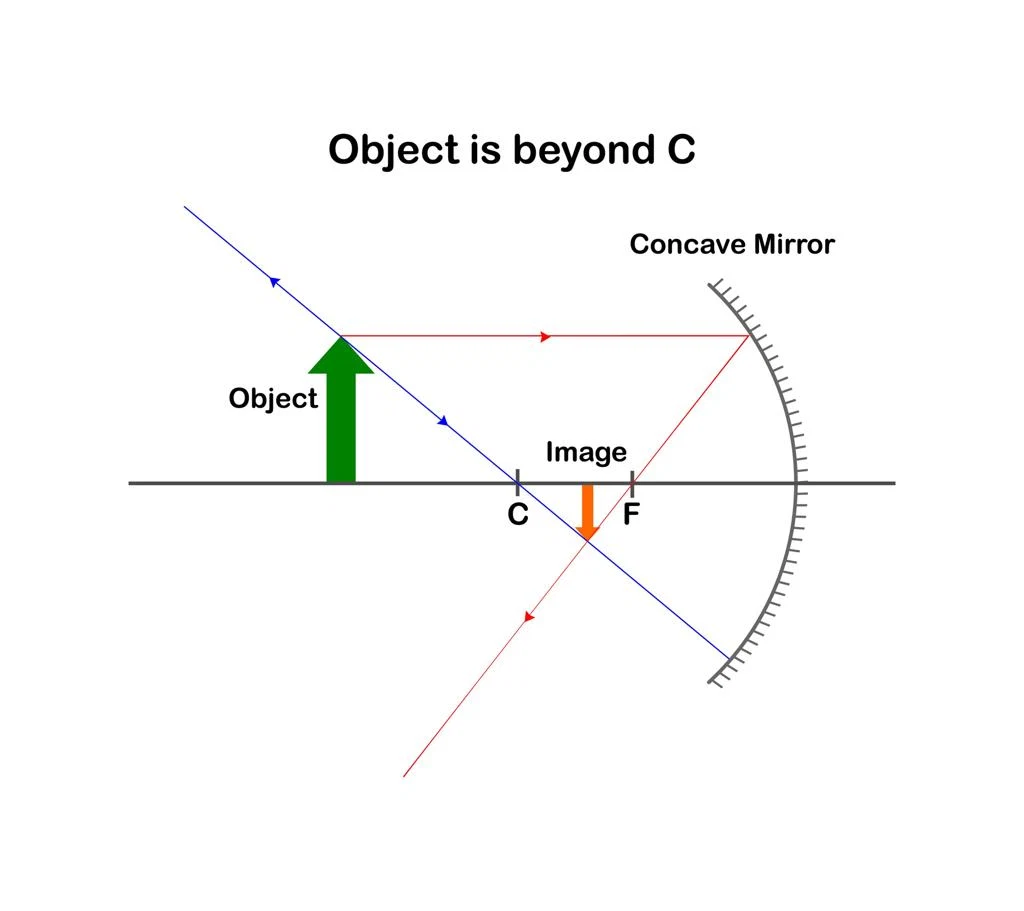
Three useful rules are:
- A ray parallel to the principal axis reflects through the principal focus.
- A ray travelling through the principal focus reflects parallel to the principal axis.
- A ray directed towards the centre of curvature reflects back along its path.
To locate an image, draw at least two rays from the top of the object. The position where the reflected rays meet gives the image position. If the rays only appear to meet when extended backwards, the image is virtual.
6. Image formation by a concave mirror
|
Object position |
Image position |
Image characteristics |
|---|---|---|
|
Beyond C |
Between C and F |
Real, inverted, diminished |
|
At C |
At C |
Real, inverted, same size |
|
Between C and F |
Beyond C |
Real, inverted, enlarged |
|
At F |
At infinity (ideal model) |
Reflected rays are parallel |
|
Between F and P |
Behind mirror |
Virtual, upright, enlarged |
These results apply to the simplified spherical-mirror model using rays close to the principal axis.
7. Image formation by a convex mirror
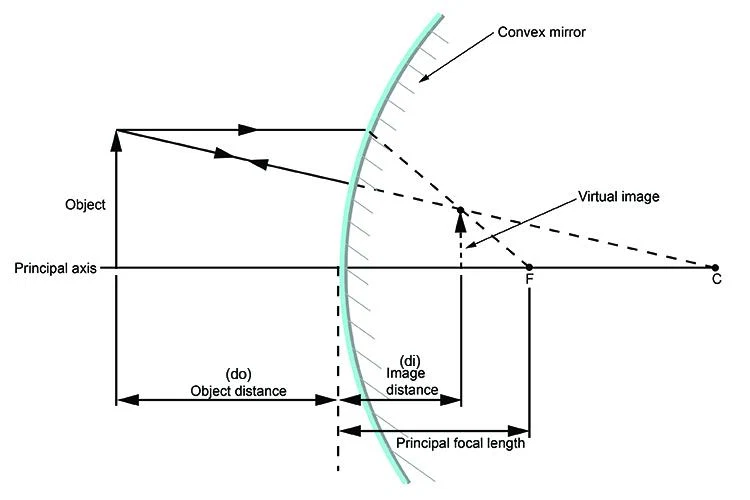
mammothmemory.net
A convex mirror produces an image that is generally:
- Virtual.
- Upright.
- Diminished.
- Located behind the mirror, between the pole and focus.
The image is virtual because the reflected rays diverge and only their backward extensions appear to meet.
8. Differences between concave and convex mirrors
|
Property |
Concave mirror |
Convex mirror |
|---|---|---|
|
Reflecting surface |
Curves inward |
Curves outward |
|
Effect on parallel rays |
Converges them |
Diverges them |
|
Nature of image |
Real or virtual, depending on object position |
Virtual for real objects |
|
Image size |
May be enlarged, equal or diminished |
Diminished |
|
Field of view |
Generally narrower |
Wider |
|
Common use |
Shaving mirrors, reflectors |
Vehicle and security mirrors |
9. Uses of curved mirrors in daily life

Road safety mirrors
Convex mirrors provide a wide field of view at corners and entrances.
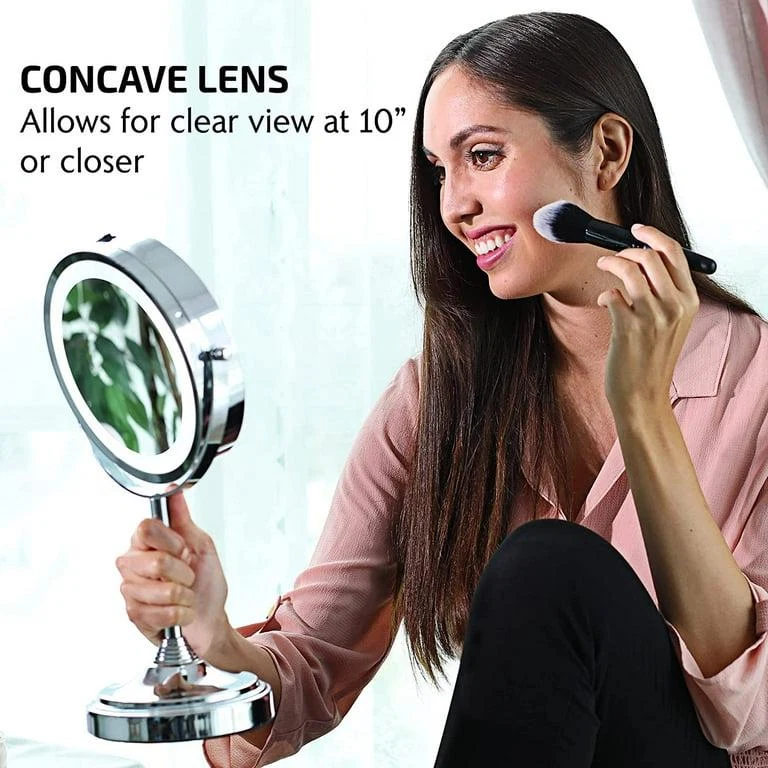
Shaving and makeup mirrors
Concave mirrors can produce enlarged upright images when objects are close.
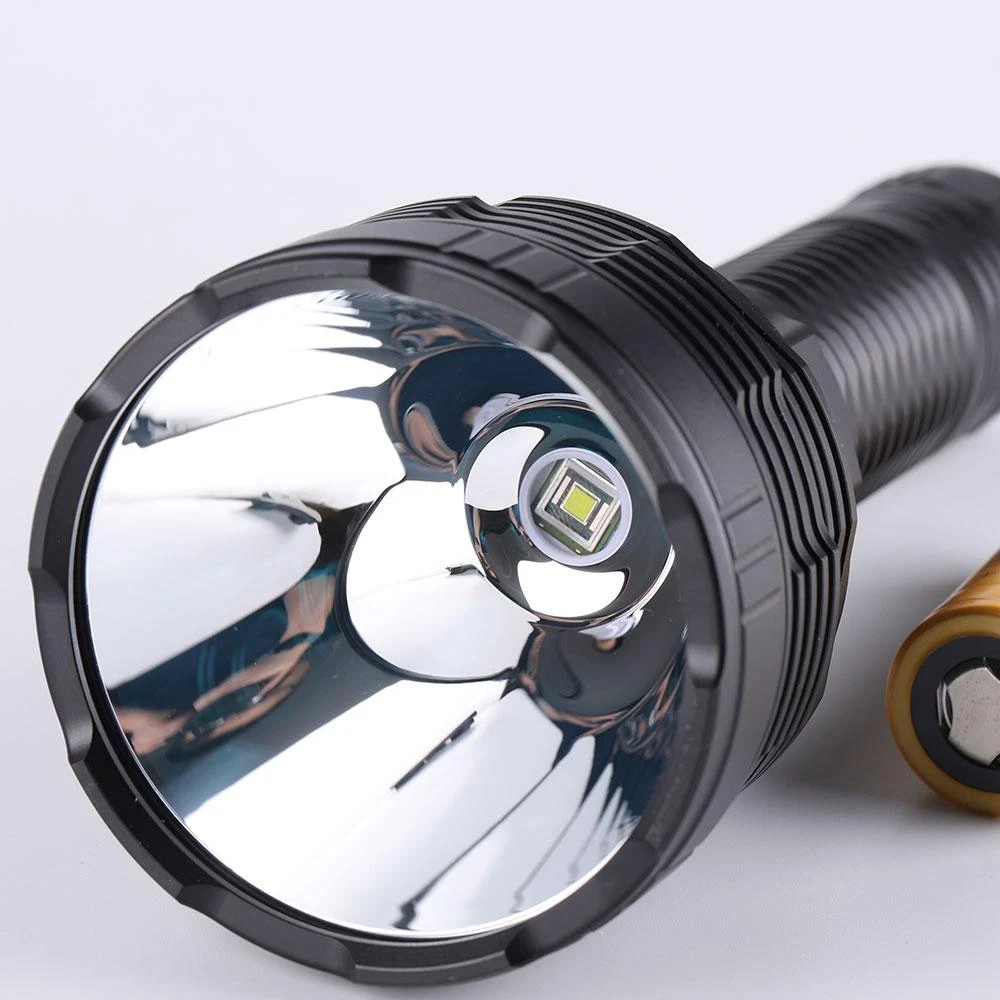
Torch reflectors
Concave reflectors help direct light into a beam.
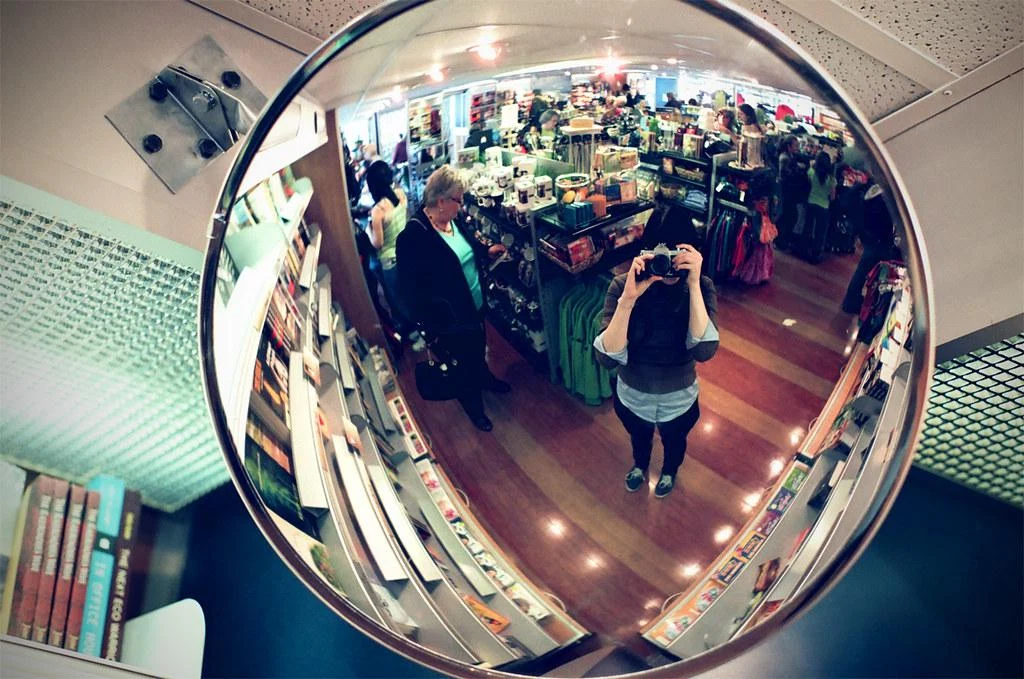
Security mirrors
Convex mirrors allow observation of larger areas.
Other uses include concave reflectors in some astronomical telescopes and convex side mirrors on certain vehicles.
10. Practical activity: Investigating a concave mirror
Materials: Concave mirror, mirror holder, screen, candle or illuminated object, ruler and a suitable work surface.
Procedure
- Fix the concave mirror vertically on its holder.
- Place the illuminated object in front of the mirror.
- Position the screen where a sharp reflected image can be formed.
- Move the object and screen to observe changes in image position and size.
- Record your observations.
- Compare the experimental findings with ray diagrams.
Expected observations: An object beyond the focal point may form a real, inverted image on the screen. When the object is brought within the focal length, an enlarged upright virtual image may be seen in the mirror, but it cannot be projected onto the screen.
Safety: An electric light source is preferable in school experiments. Never look directly at the Sun through a mirror or deliberately focus sunlight onto skin or flammable material.
Activity 3.1
- Differentiate between concave and convex mirrors.
- Define pole, focus and centre of curvature.
- Draw a ray diagram for an object beyond C in a concave mirror.
- Explain why convex mirrors are suitable for road safety.
- Calculate the focal length of a mirror with radius of curvature 60 cm.
- State three characteristics of an image formed by a convex mirror.