
1. Meaning of Wood
Wood is a natural material obtained mainly from the stems and branches of trees and used to make useful items.
Wood is widely used in construction, furniture making, decoration, packaging, and other production activities.
2. Physical Characteristics of Wood
Physical characteristics are features of wood that can be observed or measured.
They include:
- Color: Wood may be light, dark, reddish, or brown.
- Grain: The arrangement or direction of wood fibers.
- Texture: The smoothness or roughness of the wood surface.
- Density: The mass of wood in relation to its volume.
- Hardness: Resistance to scratching, indentation, or wear.
- Weight: Some woods are heavier than others.
- Moisture content: The amount of water contained in wood.
- Strength: The ability to withstand forces without failure.
- Durability: Resistance to decay, wear, and damage.
3. Classification of Wood
Wood is commonly classified into hardwood and softwood based on the botanical groups of trees from which it comes.
A. Hardwood
Hardwood is obtained from broad-leaved flowering trees.
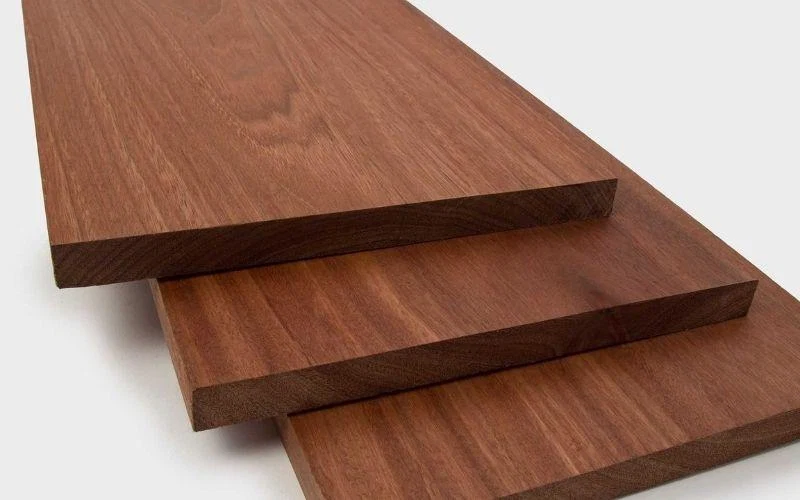
Examples include:
- Mahogany
- Oak
- Teak
- Meru oak
- Eucalyptus
Characteristics:
- Many hardwoods are dense.
- Many are strong and durable.
- They may have attractive grain patterns.
- Some are difficult to cut and shape.
- They are used for furniture, flooring, and construction.
B. Softwood
Softwood is obtained mainly from coniferous trees, which commonly bear cones.
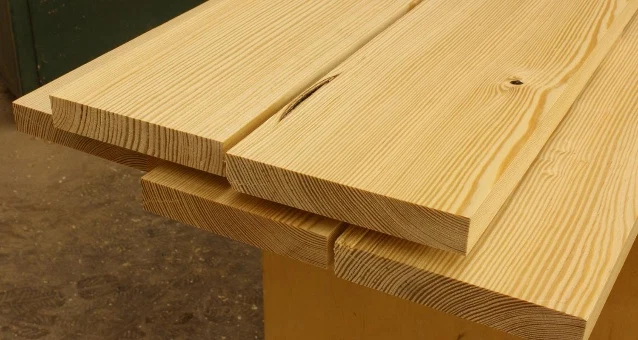
Examples include:
- Pine
- Cypress
- Cedar
- Fir
- Spruce
Characteristics:
- Many softwoods are relatively light.
- Many are easy to saw and shape.
- They are often used in construction.
- They may have clearly visible growth rings.
- Some require treatment against insects and decay.
Important: The terms hardwood and softwood refer to botanical classification, not necessarily actual hardness. Some hardwoods are softer than some softwoods.
4. Comparing Hardwood and Softwood
|
Feature |
Hardwood |
Softwood |
|---|---|---|
|
Source |
Flowering trees |
Mainly coniferous trees |
|
Density |
Often higher |
Often lower |
|
Working |
Some species are harder to shape |
Many species are easier to shape |
|
Examples |
Mahogany, oak, teak |
Pine, cypress, cedar |
|
Common uses |
Furniture, flooring |
Roof structures, doors, furniture |
5. Preparation of Wood for Production
Wood must be properly prepared before being used to manufacture items.
Step 1: Felling
Felling is the process of cutting down a tree.
Only authorized and trained people should perform tree-felling operations, following environmental and safety regulations.
Step 2: Conversion
Conversion is the process of cutting logs into usable timber sizes.
Methods include:
- Plain sawing
- Quarter sawing
Step 3: Seasoning
Seasoning involves reducing the moisture content of wood to a suitable level.
Types of seasoning:
A. Natural seasoning: Wood is stacked in a ventilated area and allowed to dry naturally.
B. Artificial seasoning: Wood is dried using controlled equipment, such as a kiln.
Importance of seasoning:
- Reduces unwanted shrinkage.
- Improves dimensional stability.
- Reduces risk of fungal decay.
- Makes wood easier to finish.
- Reduces weight.
- Improves suitability for joining and production.
Step 4: Preservation
Preservation involves protecting wood against insects, fungi, and other causes of deterioration.
Methods include:
- Applying suitable protective coatings.
- Using approved wood preservatives.
- Keeping timber dry.
- Protecting timber from direct ground contact.
Step 5: Measuring and Marking Out
Measurements and markings are made to guide cutting and shaping.
Tools include rulers, measuring tapes, squares, and marking gauges.
Step 6: Cutting and Shaping
Wood is cut into the required sizes and shapes using appropriate tools.
Step 7: Smoothing and Finishing
Wood surfaces are smoothed and protected using suitable methods, such as sanding, painting, varnishing, or polishing.
6. Uses of Wood in the Community
|
Type of wood |
Common uses |
|---|---|
|
Mahogany |
Furniture, doors, cabinets |
|
Pine |
Furniture, shelves, construction |
|
Cypress |
Doors, roofing components, frames |
|
Teak |
Outdoor furniture, flooring |
|
Eucalyptus |
Poles, fencing, some construction uses |
|
Cedar |
Furniture, interior fittings, decorative work |
7. Importance of Wood
- Used to construct houses.
- Used to manufacture furniture.
- Provides raw materials for paper production.
- Used to make doors and windows.
- Creates employment opportunities.
- Generates income from timber-related businesses.
- Used for crafts and decorative items.
- Provides materials for packaging.
- Can be repaired and reused.
- Can be a renewable resource when sourced from responsibly managed forests.
8. Safety Precautions When Working with Wood
- Use suitable protective equipment.
- Keep cutting tools sharp and in good condition.
- Secure timber before cutting.
- Avoid touching sharp cutting edges.
- Do not operate unfamiliar machines.
- Keep the workshop clean.
- Control wood dust and provide ventilation.
- Report damaged tools.
- Work under appropriate supervision.
Learning Activities
- Collect samples of different types of wood.
- Compare wood samples by color, grain, texture, and weight.
- Classify samples as hardwood or softwood where their species are known.
- Observe properly seasoned timber.
- Identify wooden items used in the community.
Revision Questions
- Define wood.
- List five physical characteristics of wood.
- Differentiate between hardwood and softwood.
- Give four examples of hardwood.
- Explain the steps involved in preparing wood for production.
- State five reasons for seasoning wood.
- Explain six uses of wood in the community.
- State four precautions when working with wood.