
1. Meaning of Holding Tools
Holding tools are tools used to grip, support, or secure materials firmly when performing activities such as cutting, filing, drilling, bending, assembling, and joining.
Holding tools prevent workpieces from moving unnecessarily and make work easier and safer.
A workpiece is a material or object being worked on to produce a desired item.
2. Types of Holding Tools and Their Uses
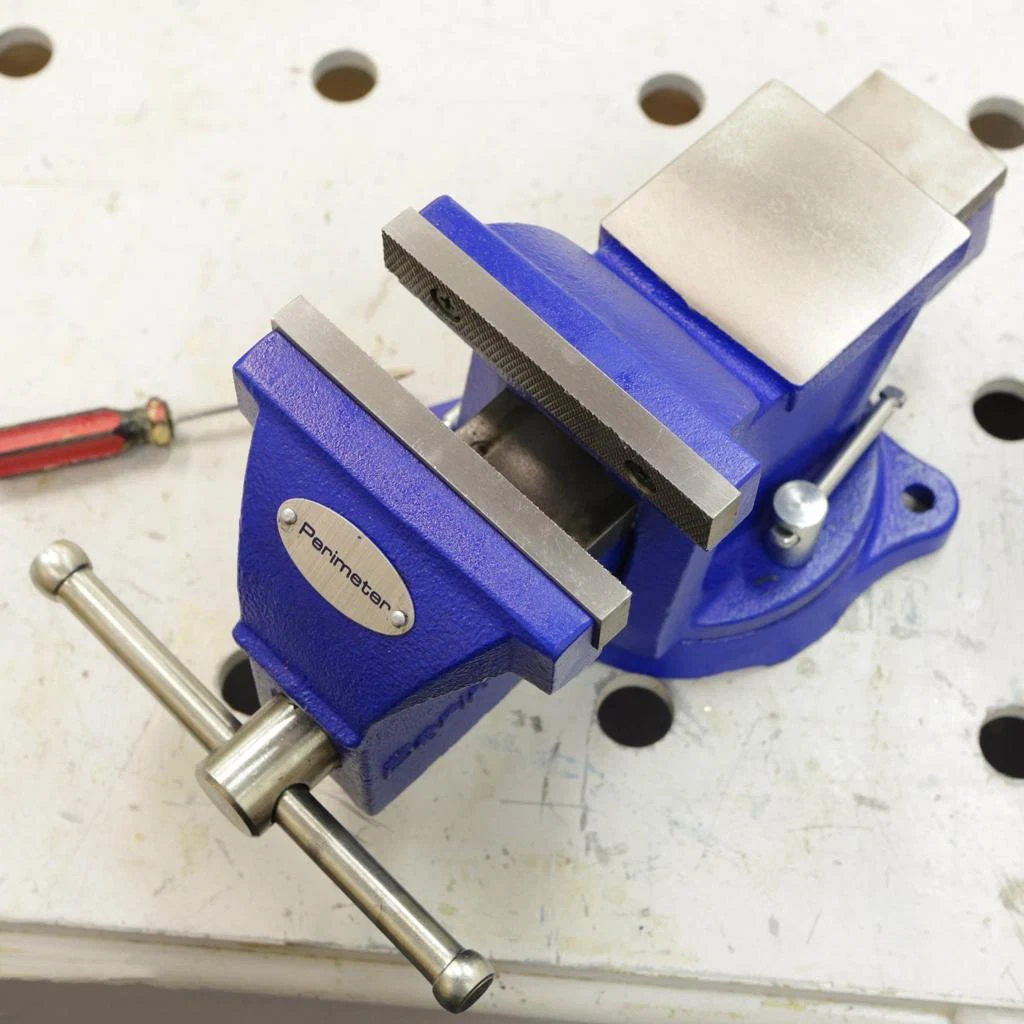
1. Bench Vice
A bench vice is fixed to a workbench and has two jaws used to hold materials firmly.
Uses: Holding metal or wood during cutting, filing, bending, and other suitable tasks.
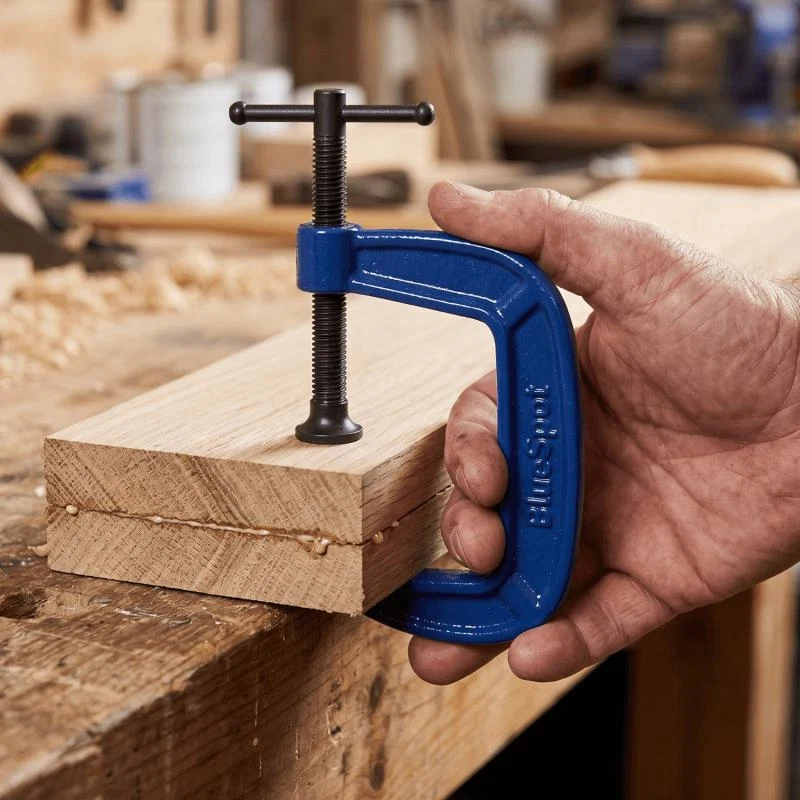
2. G-Clamp
A G-clamp is a C-shaped tool fitted with a threaded screw.
Uses: Securing workpieces to a workbench, holding materials during gluing, and keeping joined pieces in position.
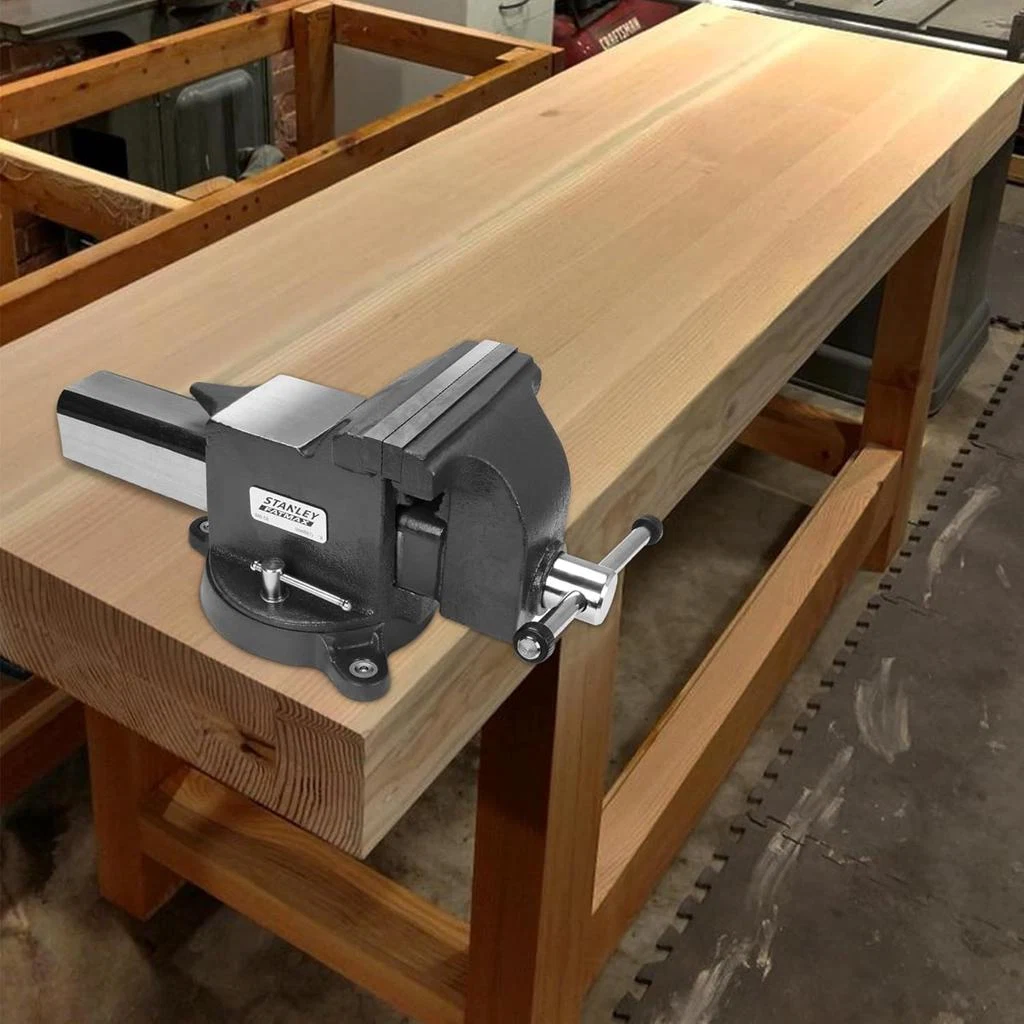
3. Woodworking Vice
A woodworking vice holds wooden materials securely.
Uses: Holding timber during planing, cutting, shaping, and joint preparation.
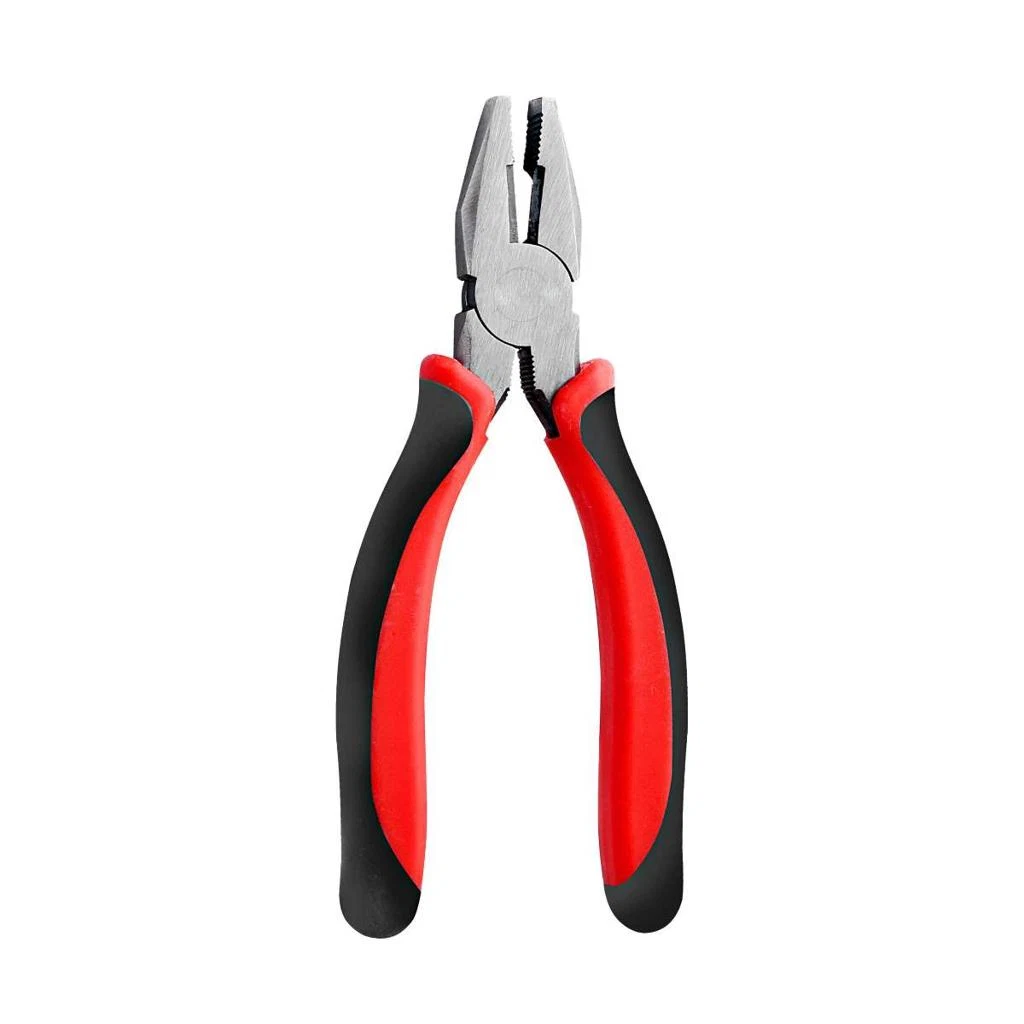
4. Pliers
Pliers have handles and gripping jaws.
Uses: Gripping small objects, holding wires, bending thin materials, and positioning components.
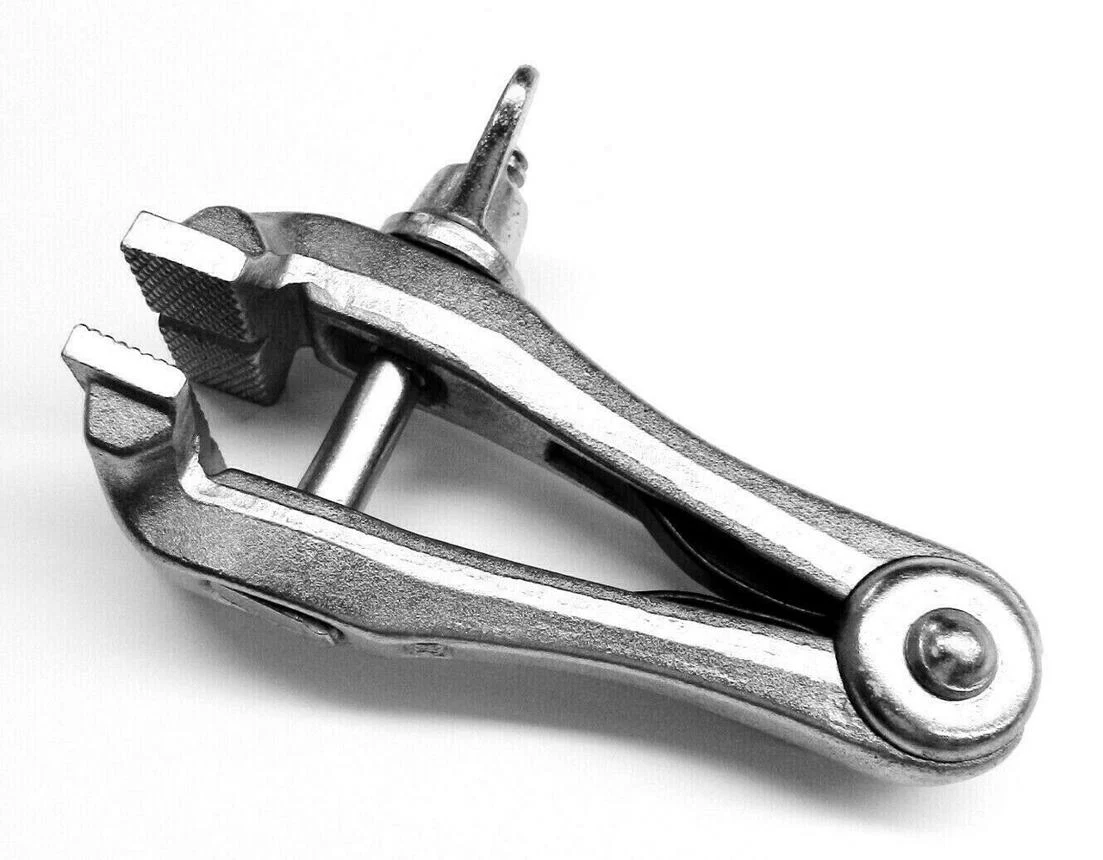
5. Hand Vice
A hand vice is a small portable gripping device.
Uses: Holding small workpieces during filing, drilling with suitable equipment, and light assembly.
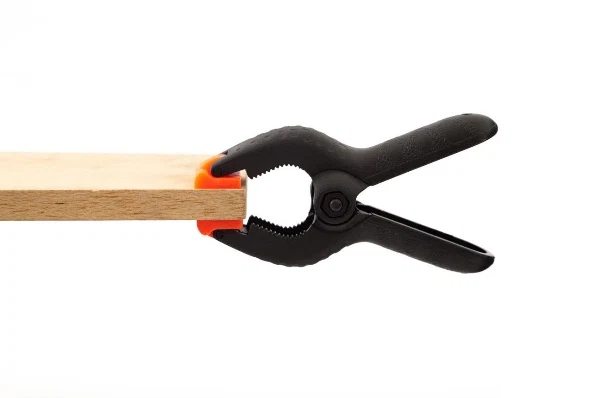
6. Spring Clamp
A spring clamp uses spring pressure to hold materials together.
Uses: Holding lightweight materials and securing workpieces during gluing or temporary assembly.
3. Selection of Holding Tools for Different Tasks
|
Task |
Suitable holding tool |
|---|---|
|
Holding metal during filing |
Bench vice |
|
Holding wood during planing |
Woodworking vice |
|
Securing wood to a table |
G-clamp |
|
Holding small wires |
Pliers |
|
Holding small metal pieces |
Hand vice |
|
Holding lightweight pieces during gluing |
Spring clamp |
4. Factors to Consider When Selecting Holding Tools
- Nature of the task: Different activities require different tools.
- Size of the workpiece: Large materials may require larger holding tools.
- Type of material: Wood, metal, and plastic may require different gripping methods.
- Holding strength: The tool should apply enough force without damaging the material.
- Condition of the tool: Avoid damaged or worn-out tools.
- Safety: Choose a tool that can secure the workpiece safely.
- Availability: Select a suitable tool that is accessible.
- Ease of use: The tool should be appropriate for the user's skills.
5. How to Use Holding Tools
A. Procedure for Using a Bench Vice
- Check the vice for damage.
- Rotate the handle to open the jaws.
- Place the workpiece between the jaws.
- Position the workpiece correctly.
- Rotate the handle to tighten the jaws.
- Ensure the material is firmly held.
- Perform the required task.
- Loosen the jaws and remove the workpiece.
- Clean and store the equipment appropriately.
B. Procedure for Using a G-Clamp
- Select a suitable G-clamp.
- Place the workpiece on a stable surface.
- Position the clamp around the workpiece and support.
- Tighten the screw gradually.
- Check that the material is secure.
- Perform the required task.
- Loosen and remove the clamp after completing the work.
6. Safety Precautions When Using Holding Tools
- Inspect tools before use.
- Use the correct tool for each task.
- Avoid placing fingers between gripping jaws.
- Secure the workpiece firmly before starting.
- Do not overtighten delicate materials.
- Avoid using damaged tools.
- Do not use holding tools for unintended purposes.
- Keep the working area clean.
- Wear appropriate protective equipment.
- Follow instructions from the teacher or supervisor.
7. Care and Maintenance of Holding Tools
Care and maintenance refers to actions taken to keep tools clean, safe, and in good working condition.
Methods include:
- Cleaning tools after use.
- Drying tools before storage.
- Applying suitable lubricants to moving parts.
- Protecting metal parts against rust.
- Storing tools in a dry toolbox or rack.
- Checking jaws and screws regularly.
- Repairing or replacing damaged components.
- Avoiding excessive force.
- Using tools for their intended purposes.
- Returning tools to their correct storage positions.
8. Importance of Holding Tools
- Hold materials firmly during production.
- Prevent unnecessary movement of workpieces.
- Reduce the risk of accidents.
- Improve accuracy.
- Make work easier.
- Improve the quality of finished items.
- Reduce material damage.
- Save time during production.
- Support effective use of cutting and shaping tools.
Practical Learning Activities
- Identify various holding tools.
- Match tools with their functions.
- Select the correct holding tool for a given task.
- Demonstrate using a G-clamp to secure wood.
- Practice opening and closing a bench vice.
- Clean and store holding tools properly.
Revision Questions
- What are holding tools?
- Name six types of holding tools.
- Explain four uses of a bench vice.
- Differentiate between a G-clamp and a woodworking vice.
- State five factors to consider when selecting holding tools.
- Describe how to use a G-clamp.
- Explain five safety precautions when using holding tools.
- State six ways of caring for holding tools.
- Explain five reasons why holding tools are important.