
1. Meaning of a Project
A project is a planned activity carried out to produce an item or solve an identified problem within a specified period.
In Pre-Technical Studies, a project enables learners to use acquired knowledge and skills to solve everyday problems.
2. Identifying Problems in the Locality
A locality refers to the surrounding community or area where people live, work, or study.
Examples of problems that can be addressed through simple projects include:
- Scattered stationery on desks.
- Poor storage of small tools.
- Inadequate waste collection containers.
- Poor organization of books.
- Lack of suitable plant supports.
- Untidy classrooms.
- Lack of suitable display stands.
- Poor storage of reusable materials.
3. Selecting an Item to Solve a Problem
Learners should identify items that can be produced using available skills and materials.
|
Identified problem |
Item that can be made |
|---|---|
|
Scattered pens and pencils |
Pen holder |
|
Disorganized books |
Book rack or book stand |
|
Poor storage of small tools |
Tool organizer |
|
Inadequate waste containers |
Waste collection bin |
|
Scattered small household items |
Storage box |
|
Seedlings needing support |
Plant support |
|
Lack of display space |
Noticeboard |
4. Factors to Consider When Selecting a Project
- The problem being solved.
- Availability of materials.
- Cost of production.
- Skills required.
- Time available.
- Availability of tools.
- Safety considerations.
- Usefulness of the finished item.
- Environmental impact.
- Durability of the item.
5. Stages of Project Development
1. Identify the problem
Observe a challenge affecting people in the locality.
2. Suggest solutions
Identify possible items that could solve the problem.
3Select the best solution
Choose a safe, affordable, and useful item.
4 . Prepare a design
Sketch the item and indicate required dimensions.
5.Select materials and tools
Identify locally available materials and suitable tools.
6. Make the item
Follow the design and observe safety rules.
7. Test the item
Check whether it performs its intended function.
8. Improve and present
Correct weaknesses and explain the completed project.
6. Example Project: Making a Desk Pen Holder
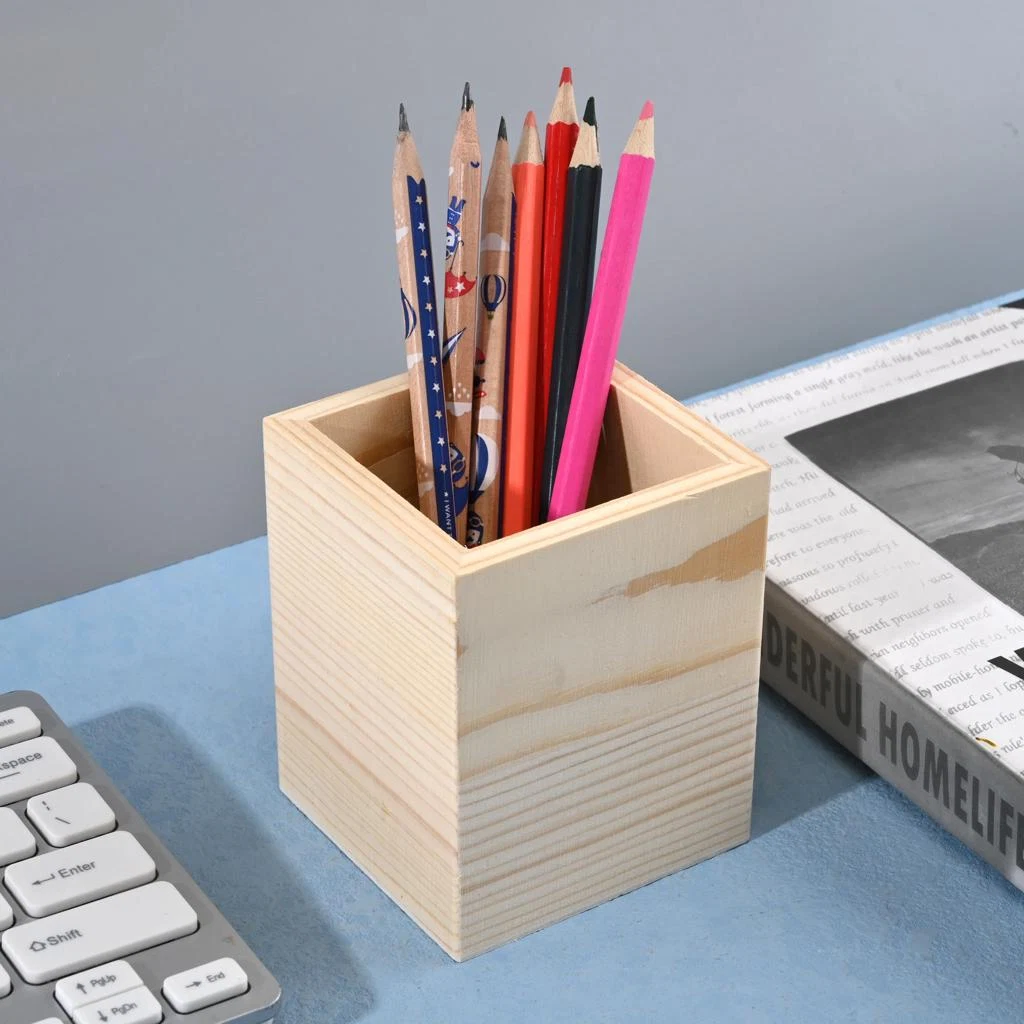
Problem identified: Pens and pencils are often scattered on desks and may get lost.
Proposed solution: Making a wooden pen holder.
Materials required:
- Smooth, safe wood offcuts.
- Wood glue.
- Small suitable nails, if necessary.
- Sandpaper.
- Water-based paint, if available.
Tools required:
- Ruler.
- Pencil.
- Try square.
- G-clamp.
- Hammer.
- Saw, used by a trained person or under appropriate supervision.
Procedure
- Draw a simple design of the pen holder.
- Identify its main dimensions.
- Select appropriate wood offcuts.
- Measure and mark the wood.
- Cut the pieces to the required sizes under supervision.
- Smooth the edges using sandpaper.
- Arrange the pieces to form the base and sides.
- Join the pieces using wood glue and appropriate fasteners.
- Hold the joined pieces securely during drying.
- Apply a suitable finish.
- Allow the finish to dry completely.
- Test the holder by placing pens and pencils inside it.
7. Testing and Evaluating a Project
Project evaluation involves checking whether the completed item meets its intended purpose.
Questions to consider:
- Does the item solve the identified problem?
- Is it strong?
- Is it stable?
- Is it safe to use?
- Are the dimensions suitable?
- Is the item attractive?
- Was the material used economically?
- Can the item be improved?
8. Importance of Projects in Pre-Technical Studies
- Develop problem-solving abilities.
- Encourage creativity and innovation.
- Develop tool-handling skills.
- Promote teamwork.
- Encourage responsible use of resources.
- Build confidence.
- Develop planning and organization skills.
- Promote self-reliance.
- Encourage environmental conservation.
- Prepare learners for technical and entrepreneurial opportunities.
Practical Learning Activities
- Identify a problem affecting the school.
- Suggest possible solutions.
- Select a project.
- Draw a labeled design.
- Prepare a materials and tools list.
- Construct the item safely.
- Evaluate and present the project.
Revision Questions
- What is a project?
- State five problems in the locality that can be solved using Pre-Technical Studies skills.
- Identify five items that can be made using locally available materials.
- Explain eight stages of project development.
- State five factors to consider when selecting a project.
- Describe how to make a simple wooden pen holder.
- State five ways of evaluating a completed project.
- Explain six benefits of projects.