
1. Meaning of Holding Tools
Holding tools are tools or devices used to grip, support, or secure materials and workpieces firmly while performing tasks.
They prevent unnecessary movement during cutting, drilling, filing, joining, and other production activities.
2. Types of Holding Tools
A. Bench Vice
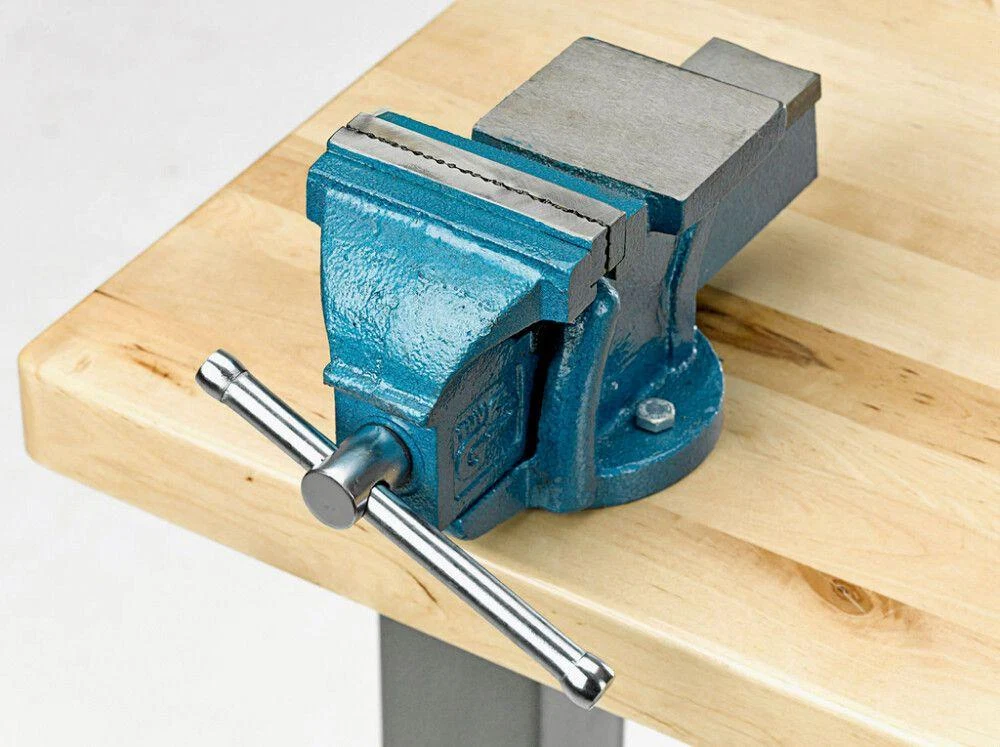
A bench vice is a holding tool attached to a workbench and used to hold workpieces firmly.
Uses:
- Holding metal during filing.
- Securing materials during hacksaw cutting.
- Supporting workpieces during assembly.
- Holding materials during some drilling operations when appropriately positioned.
Safety precautions:
- Secure the vice firmly.
- Avoid overtightening delicate materials.
- Keep fingers away from the jaws.
- Use suitable jaw protectors when necessary.
B. G-Clamp
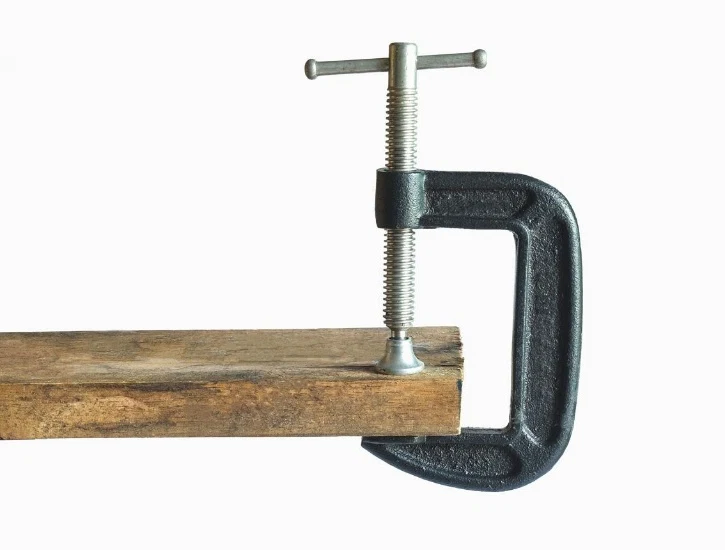
A G-clamp is a holding tool with a C-shaped frame and adjustable screw.
Uses:
- Securing wood to a workbench.
- Holding materials during gluing.
- Keeping joined pieces in position.
- Supporting assembly work.
C. Pliers
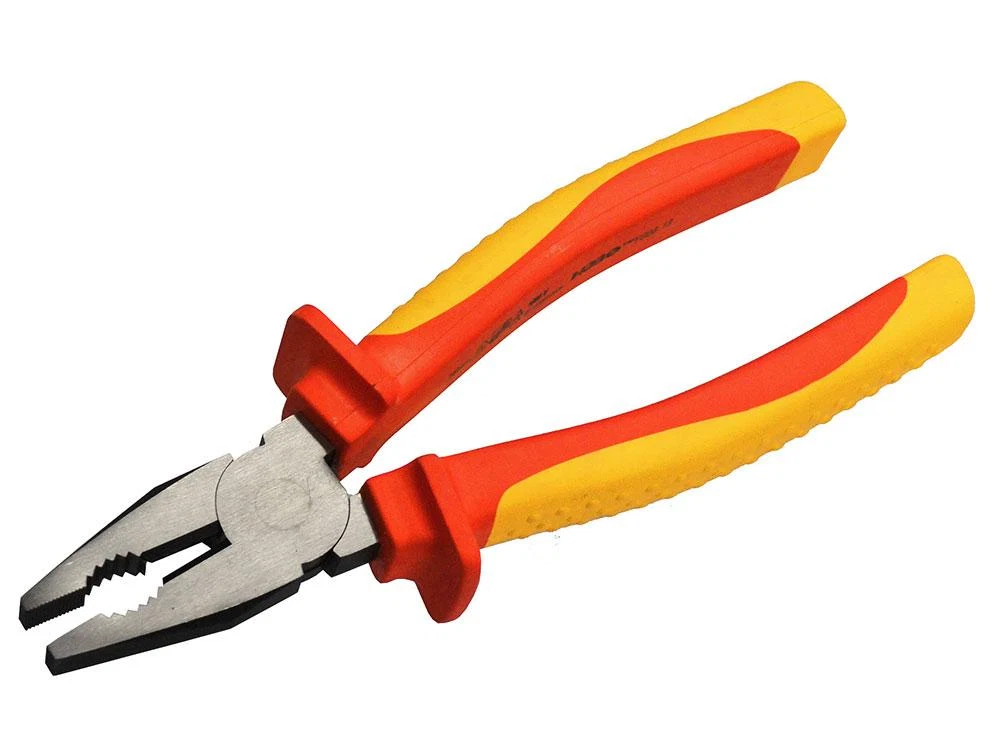
Pliers are hand tools with jaws used to grip, bend, or hold small objects.
Types of pliers:
- Combination pliers
- Long-nose pliers
- Flat-nose pliers
- Locking pliers
Uses:
- Holding small objects.
- Bending wires.
- Gripping metal components.
- Positioning small parts.
D. Hand Vice
A hand vice is a small portable device used to grip small workpieces during light tasks.
Uses:
- Holding small metal pieces.
- Supporting delicate assembly work.
- Securing materials during light filing.
E. Woodworking Vice
A woodworking vice is attached to a workbench and is designed to hold wooden materials during production.
Uses:
- Holding wood during planing.
- Securing timber during sawing.
- Holding wooden pieces during shaping.
F. Spring Clamp
A spring clamp uses spring pressure to grip materials.
Uses:
- Holding lightweight materials.
- Securing materials during gluing.
- Holding temporary guides.
3. Factors to Consider When Selecting Holding Tools
- Size of the workpiece.
- Shape of the material.
- Type of material.
- Amount of holding force required.
- Nature of the task.
- Condition of the tool.
- Safety of the user.
- Availability of the tool.
4. Procedures for Using Holding Tools
Example: Using a G-clamp
- Select a suitable G-clamp.
- Place the workpiece on a stable working surface.
- Position the clamp correctly.
- Turn the screw until the workpiece is firmly secured.
- Check that the material cannot move unexpectedly.
- Perform the required task safely.
- Loosen the screw when the work is complete.
- Remove and store the clamp.
Example: Using a Bench Vice
- Inspect the vice for damage.
- Open the jaws to accommodate the material.
- Position the workpiece correctly.
- Tighten the jaws until the workpiece is secure.
- Perform the task without applying excessive force.
- Release the workpiece after completing the task.
- Clean the vice.
5. Care and Maintenance of Holding Tools
- Clean tools after use.
- Remove dirt and dust.
- Lubricate moving parts when required.
- Store tools in dry places.
- Avoid overloading.
- Check screws and jaws regularly.
- Repair or replace damaged tools.
- Protect metal parts against rust.
- Use tools only for their intended purposes.
6. Importance of Holding Tools
- Prevent workpieces from moving.
- Improve safety during production.
- Increase accuracy.
- Make work easier.
- Improve the quality of finished items.
- Support efficient use of other tools.
- Reduce damage to materials.
Learning Activities
- Identify holding tools from a workshop display.
- Match holding tools with their uses.
- Demonstrate how to secure a wooden block using a G-clamp.
- Practice safe opening and closing of a bench vice.
- Clean and store holding tools appropriately.
Revision Questions
- Define holding tools.
- Identify six examples of holding tools.
- Explain four uses of a bench vice.
- Differentiate between a G-clamp and a bench vice.
- Explain the procedure for using a G-clamp.
- State five factors to consider when selecting holding tools.
- Describe six ways of caring for holding tools.