
1. Meaning of Driving Tools
Driving tools are tools used to push, turn, or drive fasteners such as nails, screws, and bolts into materials or their appropriate positions.
They are commonly used in construction, repair, assembly, and maintenance.
2. Types of Driving Tools
A. Claw Hammer
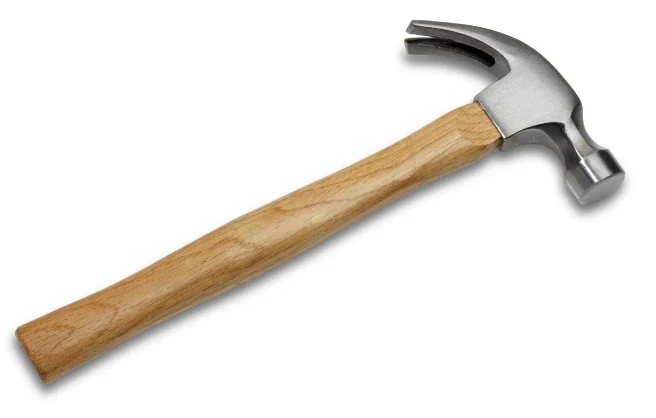
A claw hammer has a striking head and a curved claw for removing nails.
Uses:
- Driving nails into wood.
- Removing nails from wood.
- Performing light construction tasks.
- Assembling wooden structures.
Safety precautions:
- Inspect the hammer before use.
- Hold the handle firmly.
- Wear eye protection when necessary.
- Keep fingers away from the striking area.
B. Screwdrivers
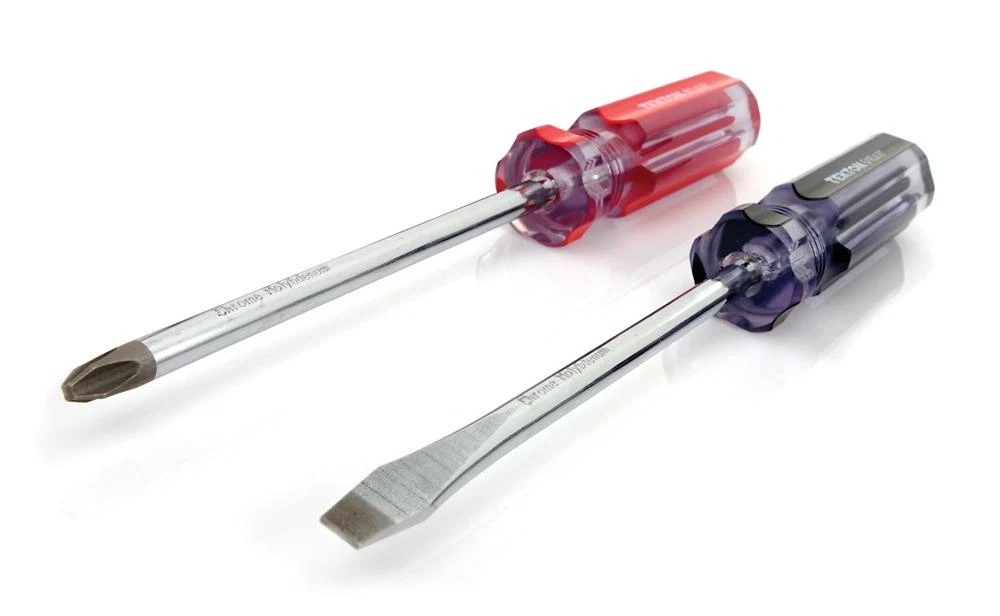
A screwdriver is a tool used to turn screws during fastening or removal.
Common types:
- Flat-head screwdriver.
- Phillips or cross-head screwdriver.
- Pozidriv screwdriver.
- Torx screwdriver.
Uses:
- Tightening screws.
- Loosening screws.
- Assembling furniture.
- Repairing equipment.
- Securing fittings.
Always choose a screwdriver with a tip that correctly matches the screw head.
C. Rubber Mallet
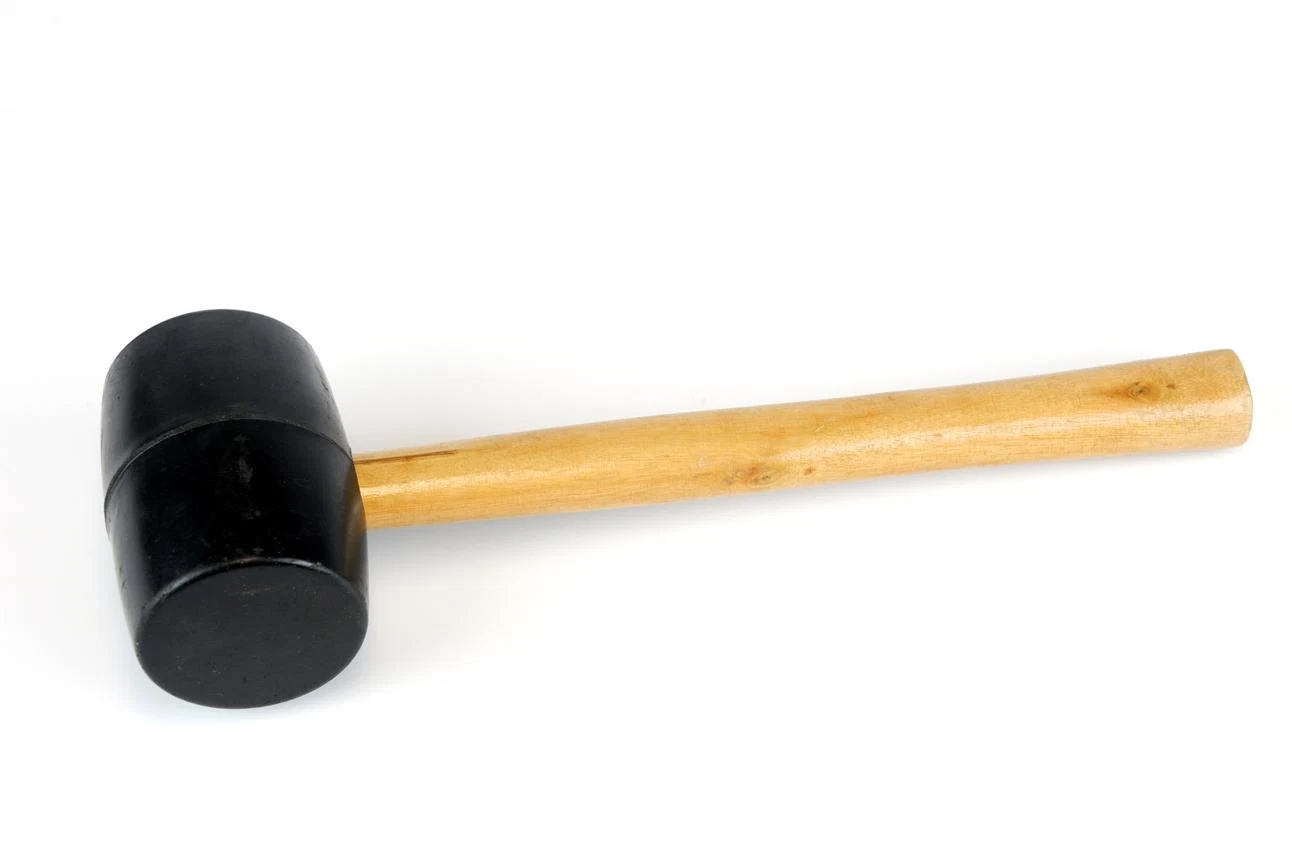
A rubber mallet has a relatively soft head used to strike materials without leaving the same marks that a steel hammer might cause.
Uses:
- Fitting wooden joints.
- Aligning materials.
- Positioning tiles with suitable methods.
- Assembling furniture components.
D. Ball-Peen Hammer
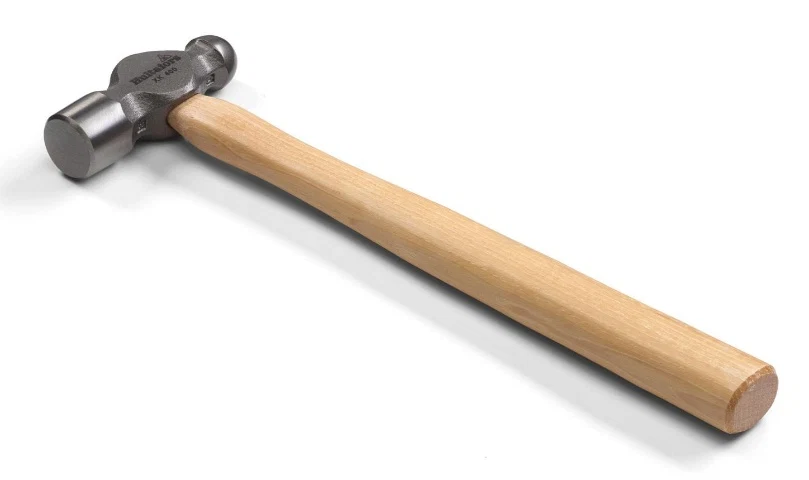
A ball-peen hammer has one flat striking face and one rounded end.
Uses:
- Shaping metal.
- Striking suitable punches.
- Riveting.
- Performing metalwork operations.
E. Socket Wrench
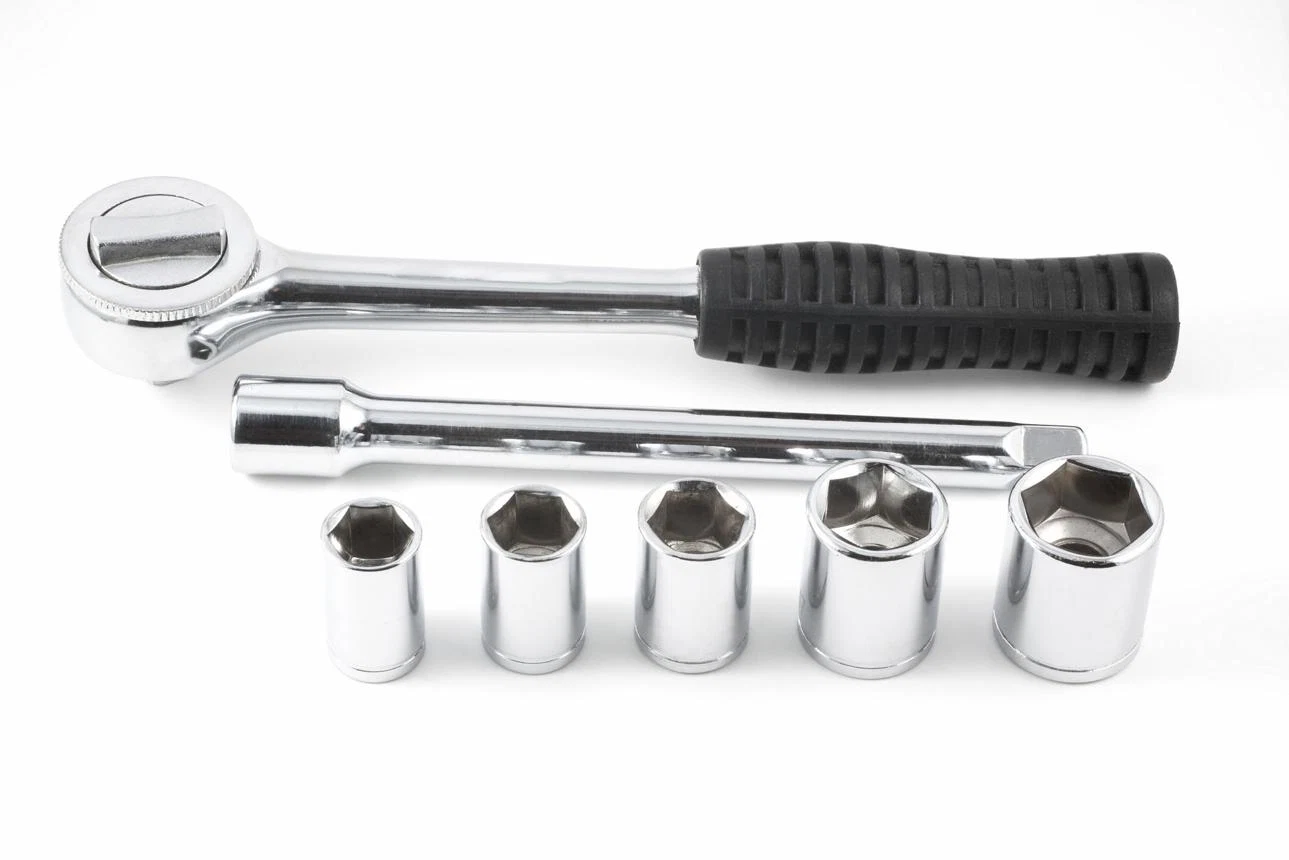
A socket wrench uses interchangeable sockets to turn nuts and bolts.
Uses:
- Tightening nuts and bolts.
- Loosening mechanical fasteners.
- Assembling equipment.
- Performing vehicle maintenance.
3. Selection of Driving Tools
The correct driving tool depends on the task being performed.
|
Task |
Suitable driving tool |
|---|---|
|
Driving nails into wood |
Claw hammer |
|
Tightening flat-head screws |
Flat-head screwdriver |
|
Tightening Phillips screws |
Phillips screwdriver |
|
Joining wooden components gently |
Rubber mallet |
|
Shaping metal by striking |
Ball-peen hammer |
|
Tightening suitable nuts and bolts |
Socket wrench |
4. Procedures for Using Driving Tools
A. Using a Hammer to Drive a Nail
- Select a suitable hammer and nail.
- Inspect the hammer.
- Place the wood on a stable surface.
- Position the nail correctly.
- Hold the hammer firmly.
- Start the nail with gentle, controlled taps.
- Move fingers away from the nail head once it is stable.
- Continue striking carefully until the nail reaches the required position.
B. Using a Screwdriver
- Select the correct screwdriver.
- Check that the tip is not damaged.
- Position the screw correctly.
- Place the screwdriver tip firmly into the screw head.
- Turn clockwise to tighten most ordinary right-hand screws.
- Turn anticlockwise to loosen them.
- Avoid excessive force.
- Store the screwdriver safely.
5. Care and Maintenance of Driving Tools
- Clean tools after use.
- Store them in suitable toolboxes.
- Protect metal parts from rust.
- Avoid using tools for unintended purposes.
- Replace cracked hammer handles.
- Avoid using damaged screwdriver tips.
- Keep tools away from moisture.
- Inspect tools before use.
- Return tools to their correct storage places.
- Report damaged tools to the teacher or supervisor.
6. Importance of Driving Tools
- Make fastening easier.
- Improve efficiency in construction.
- Support furniture assembly.
- Enable maintenance and repair.
- Improve accuracy when used correctly.
- Reduce unnecessary effort.
- Help produce strong and secure joints.
Learning Activities
- Identify different driving tools.
- Match driving tools with appropriate fasteners.
- Demonstrate driving a nail into soft wood under supervision.
- Practice tightening and loosening screws.
- Inspect, clean, and store driving tools.
Revision Questions
- What are driving tools?
- Name five examples of driving tools.
- State three uses of a claw hammer.
- Differentiate between a hammer and a rubber mallet.
- Explain how to use a screwdriver safely.
- State five factors to consider when selecting a driving tool.
- Describe five ways of caring for driving tools.