
1. Meaning of Driving Tools
Driving tools are tools used to apply force or turning action to drive fasteners, such as nails and screws, into materials or to tighten and loosen suitable fasteners.
Driving tools are used in carpentry, metalwork, construction, repairs, and assembly.
2. Types of Driving Tools
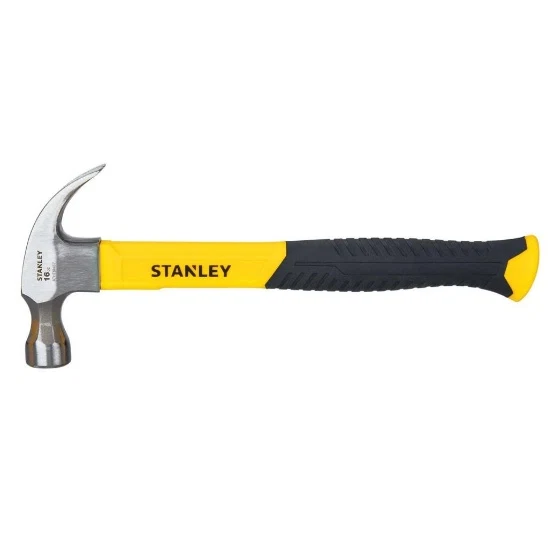
1. Claw Hammer
Has a flat striking face and a curved claw.
Uses: Driving nails into wood and removing nails.
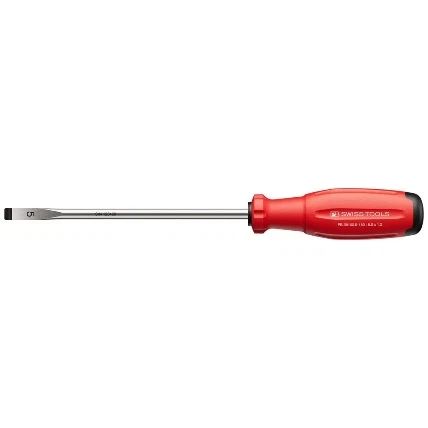
2. Flat-Head Screwdriver
Has a flat blade that fits into a slotted screw head.
Uses: Tightening and loosening slotted screws.
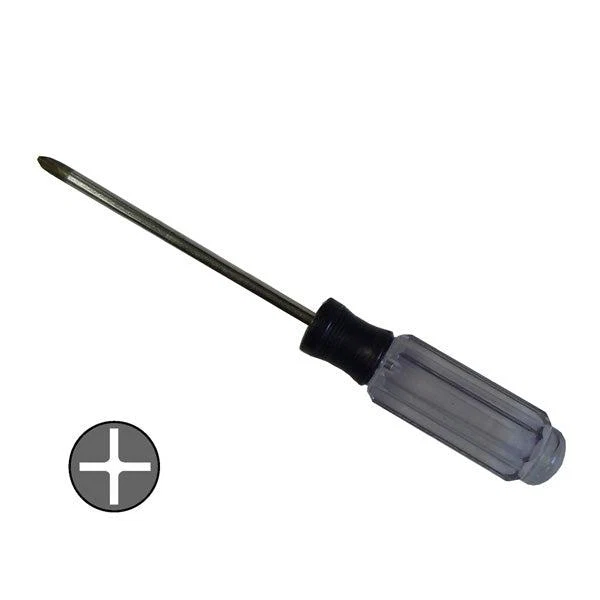
3. Phillips Screwdriver
Has a cross-shaped tip.
Uses: Driving and removing compatible cross-head screws.
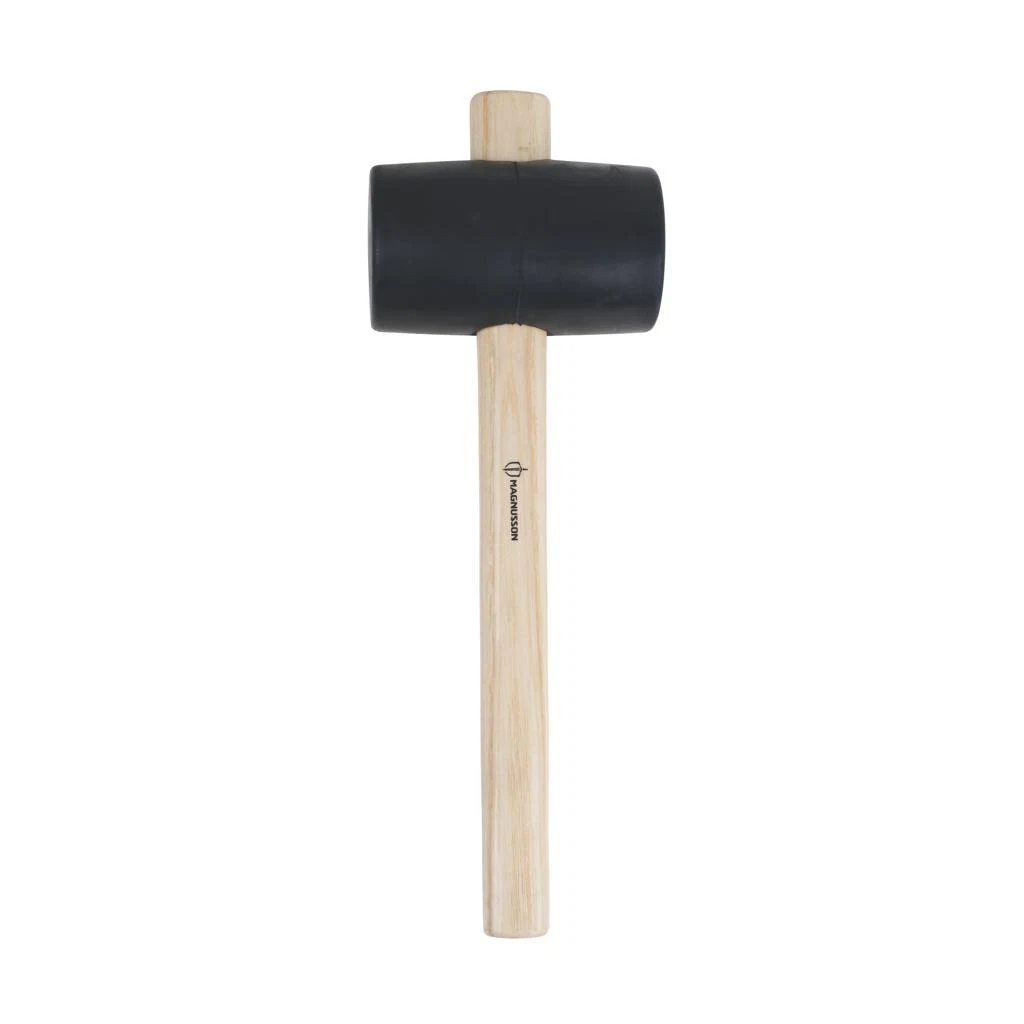
4. Rubber Mallet
Has a rubber striking head.
Uses: Gently fitting wooden joints, adjusting materials, and assembling components without heavy metal impacts.
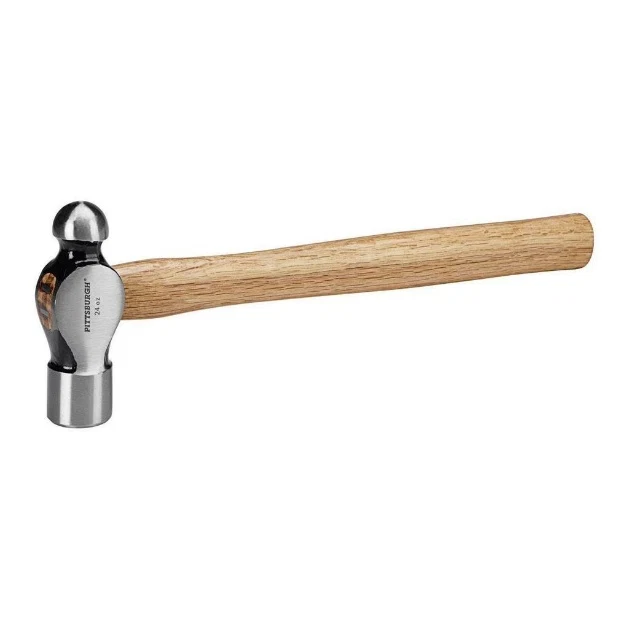
5. Ball-Peen Hammer
Has a flat face and a rounded peen.
Uses: Riveting, shaping metal, and striking suitable metalworking punches.
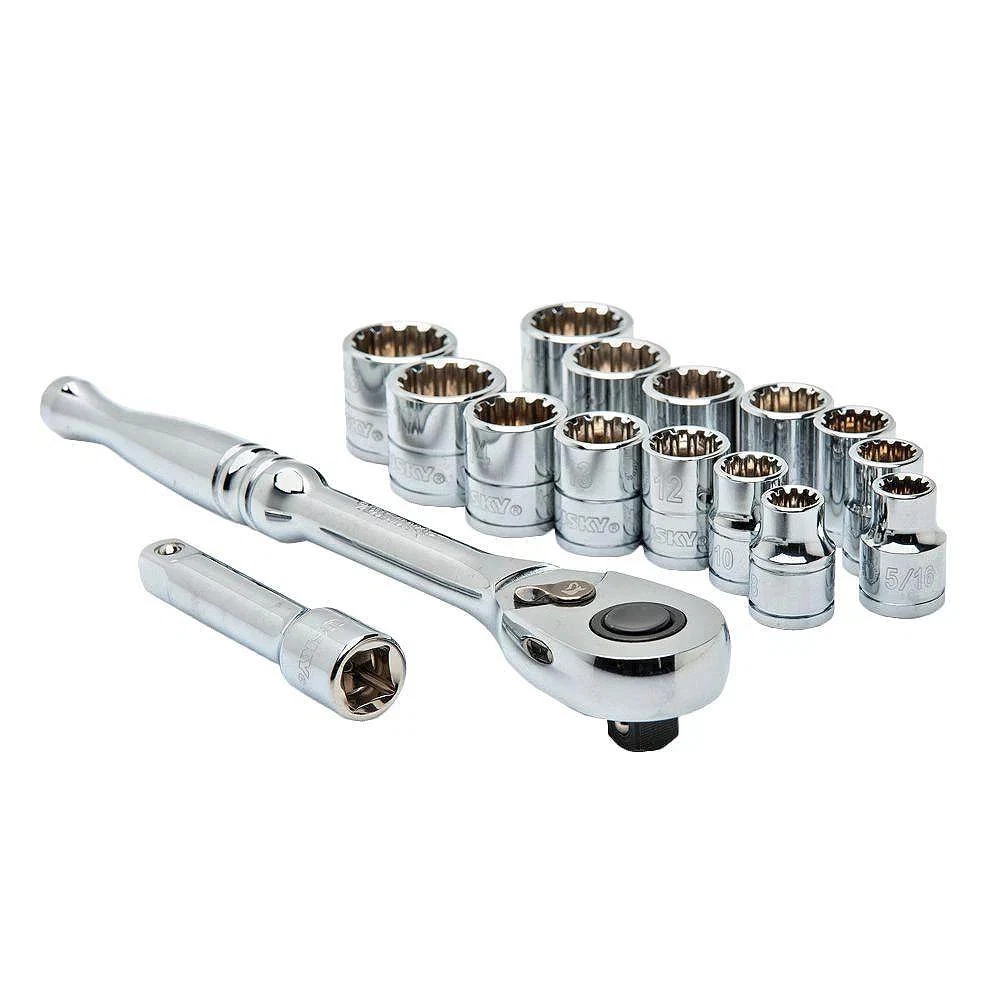
6. Socket Wrench
Uses a socket to turn nuts and bolts.
Uses: Tightening and loosening suitable nuts and bolts during assembly and repair.
3. Parts of a Claw Hammer
The main parts are:
- Head: The metal part used for striking.
- Face: The flat part that strikes a nail.
- Claw: The curved part used to remove nails.
- Handle: The part held by the user.
- Eye: The opening where the handle is secured to the head.
4. Factors to Consider When Selecting Driving Tools
- Type of fastener being used.
- Size of the fastener.
- Type of material.
- Nature of the task.
- Condition of the tool.
- Required force.
- Comfort and control.
- Safety of the user.
5. Procedures for Using Driving Tools
A. Using a Claw Hammer
- Select a suitable hammer.
- Inspect the handle and head for damage.
- Place the wood on a stable working surface.
- Position the nail at the required point.
- Start the nail using gentle, controlled taps.
- Move fingers away from the striking area.
- Continue striking until the nail reaches the desired position.
- Inspect the completed work.
B. Using a Screwdriver
- Select a screwdriver that matches the screw head.
- Inspect the tool for damage.
- Place the screw in the correct position.
- Insert the screwdriver tip into the screw head.
- Turn clockwise to tighten an ordinary right-hand screw.
- Turn anticlockwise to loosen it.
- Apply controlled pressure to prevent slipping.
- Clean and store the tool after use.
6. Safety Precautions When Using Driving Tools
- Inspect tools before use.
- Use tools of the correct size.
- Avoid using hammers with loose heads.
- Keep hands away from the striking area.
- Wear suitable eye protection where necessary.
- Do not use screwdrivers as chisels.
- Do not use damaged screwdriver tips.
- Secure materials before fastening.
- Avoid excessive force.
- Follow workshop safety rules.
7. Care and Maintenance of Driving Tools
- Clean tools after use.
- Store tools in dry places.
- Protect metal parts from rust.
- Replace damaged handles.
- Avoid dropping tools unnecessarily.
- Use each tool for its intended purpose.
- Keep striking faces and screwdriver tips in good condition.
- Inspect tools regularly.
- Store sharp and pointed tools safely.
- Report damaged tools.
8. Importance of Driving Tools
- Make fastening easier.
- Save time during assembly.
- Support construction activities.
- Facilitate repairs.
- Improve accuracy.
- Help produce secure joints.
- Reduce unnecessary physical effort.
- Improve productivity.
- Support manufacturing and maintenance work.
Practical Learning Activities
- Identify driving tools displayed by the teacher.
- Match driving tools to different fasteners.
- Select a suitable hammer for driving a nail.
- Practice tightening and loosening screws.
- Demonstrate safe use of a rubber mallet.
- Clean and store driving tools.
Revision Questions
- Define driving tools.
- Name six driving tools.
- State four uses of a claw hammer.
- Identify five parts of a claw hammer.
- Explain the difference between a claw hammer and a rubber mallet.
- State six safety precautions when using driving tools.
- Describe how to use a screwdriver.
- Explain six ways of maintaining driving tools.
- State five benefits of driving tools.