
Definition
Waste materials are unwanted or discarded substances generated from production processes, consumption, or daily activities.
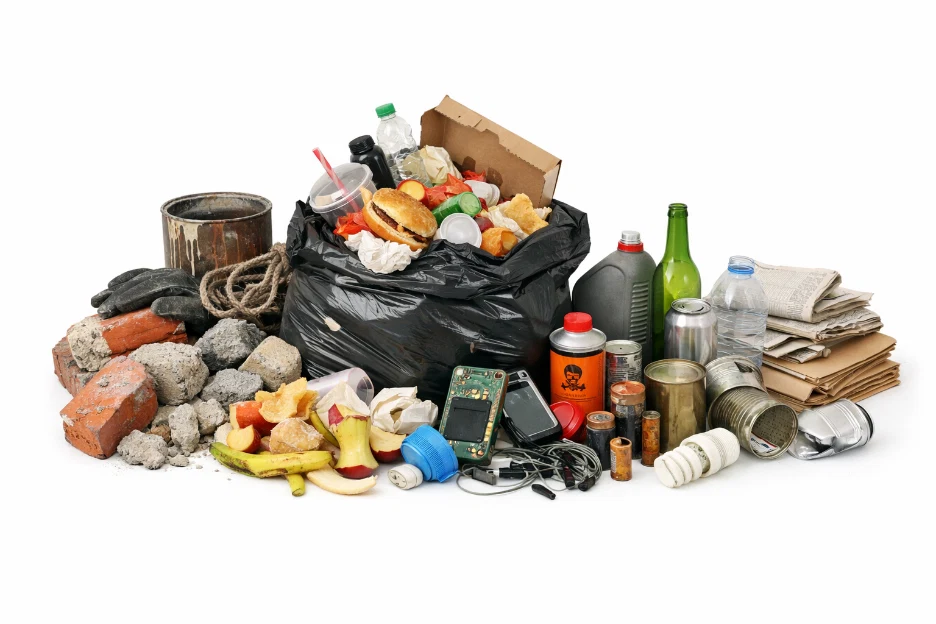
Figure 12: Image showing Waste materials
Waste Materials Found in the Environment
- Organic: Food scraps, plant remains, animal waste.
- Plastic: Bottles, bags, containers, straws.
- Glass: Broken bottles, jars.
- Metal: Scrap iron, cans, wires, old cars.
- Paper/Cardboard: Newspapers, packaging, cartons.
- Electronic Waste (E-waste): Old phones, computers, batteries, TVs.
- Construction Waste: Bricks, cement rubble, wood offcuts.
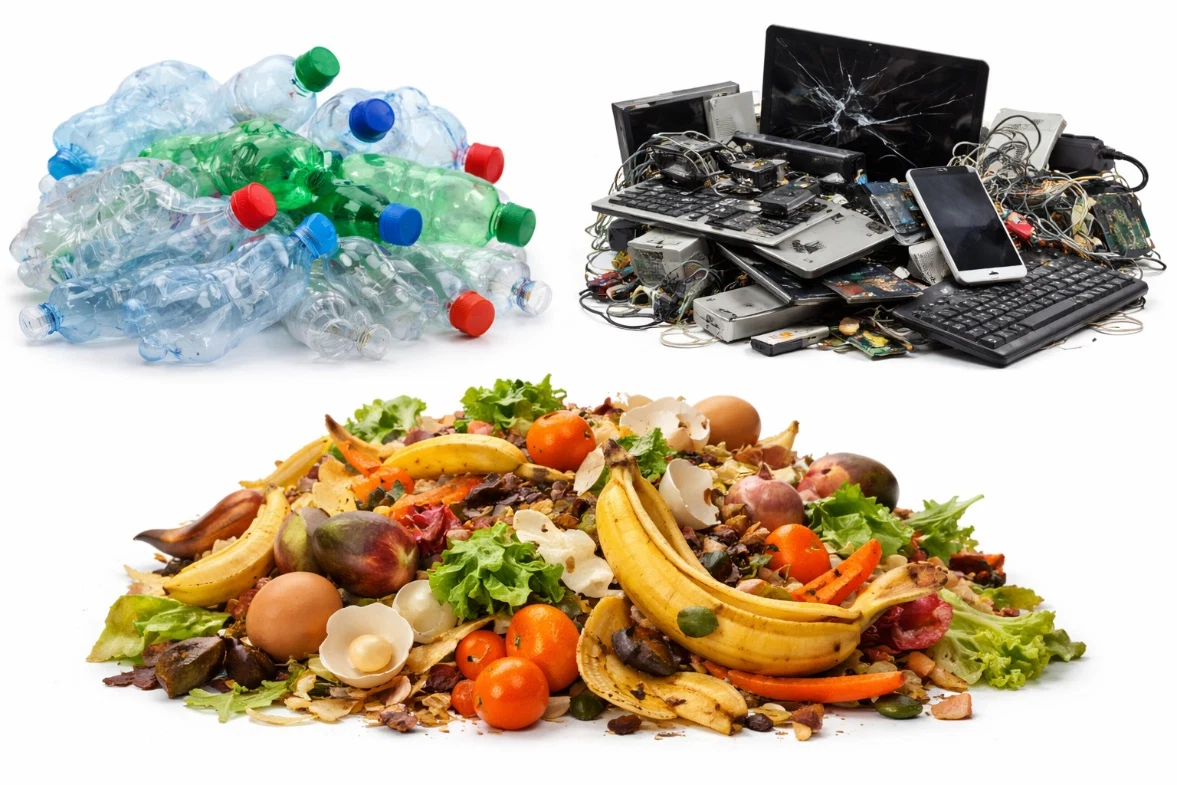
Figure 13: Collage showing different types of waste: plastic bottles, e-waste, organic waste
Ways of Handling Waste Materials Safely (The 5Rs)
- Reduce: Minimize waste generation (e.g., buy in bulk, use reusable shopping bags).
- Reuse: Use items multiple times (e.g., use glass jars for storage, old tires as planters).
- Recycle: Process waste into new products (e.g., plastic bottles to new bottles/fabric, paper to recycled paper).
- Recover: Extract energy or value (e.g., composting organic waste for manure, safe incineration for heat).
- Dispose: Safely as a last resort (landfills, authorized dumps).
Safe Disposal Methods
- Segregation: Separate waste at source using color-coded bins (e.g., Green for organic, Blue for plastic/paper).
- Composting: Convert organic waste into manure using compost pits.
- Recycling Centers: Take plastics, metals, glass, and paper to designated collection points.
- E-waste Collection: Take to authorized recyclers to prevent toxic leaks (lead, mercury).
- Hazardous Waste: Special facilities for chemicals, batteries, and paint.
Importance of Proper Waste Handling
- Prevents Pollution: Protects soil, water sources (rivers/lakes), and air quality.
- Reduces Health Risks: Prevents breeding of disease-causing organisms (rats, mosquitoes) and injuries from sharp objects.
- Conserves Resources: Recycling saves raw materials and energy.
- Creates Jobs: Employment in waste collection, sorting, and recycling industries.
- Supports Sustainability: Promotes clean communities and a circular economy.