
Definition
Driving tools are hand tools used to apply force to insert, remove, or tighten fasteners (nails, screws, bolts) or to shape materials by striking.
Types and Uses of Driving Tools
|
Tool |
Types |
Main Uses |
|---|---|---|
|
Hammer |
Claw hammer, Ball pein, Cross pein, Straight pein |
Driving in nails (Claw hammer also removes nails), shaping metal (Pein hammers). |
|
Mallet |
Wooden, Rubber |
Driving chisels or tapping wood joints together without damaging the surface. |
|
Screwdriver |
Flathead (Slotted), Phillips (Cross), Pozidriv |
Loosening or driving screws into wood, metal, or other materials. |
|
Spanner (Wrench) |
Open-ended, Ring, Combination |
Tightening or loosening nuts and bolts. |
|
Punches |
Center punch, Pin punch |
Making indentations for drilling (Center punch), driving out pins or bolts. |
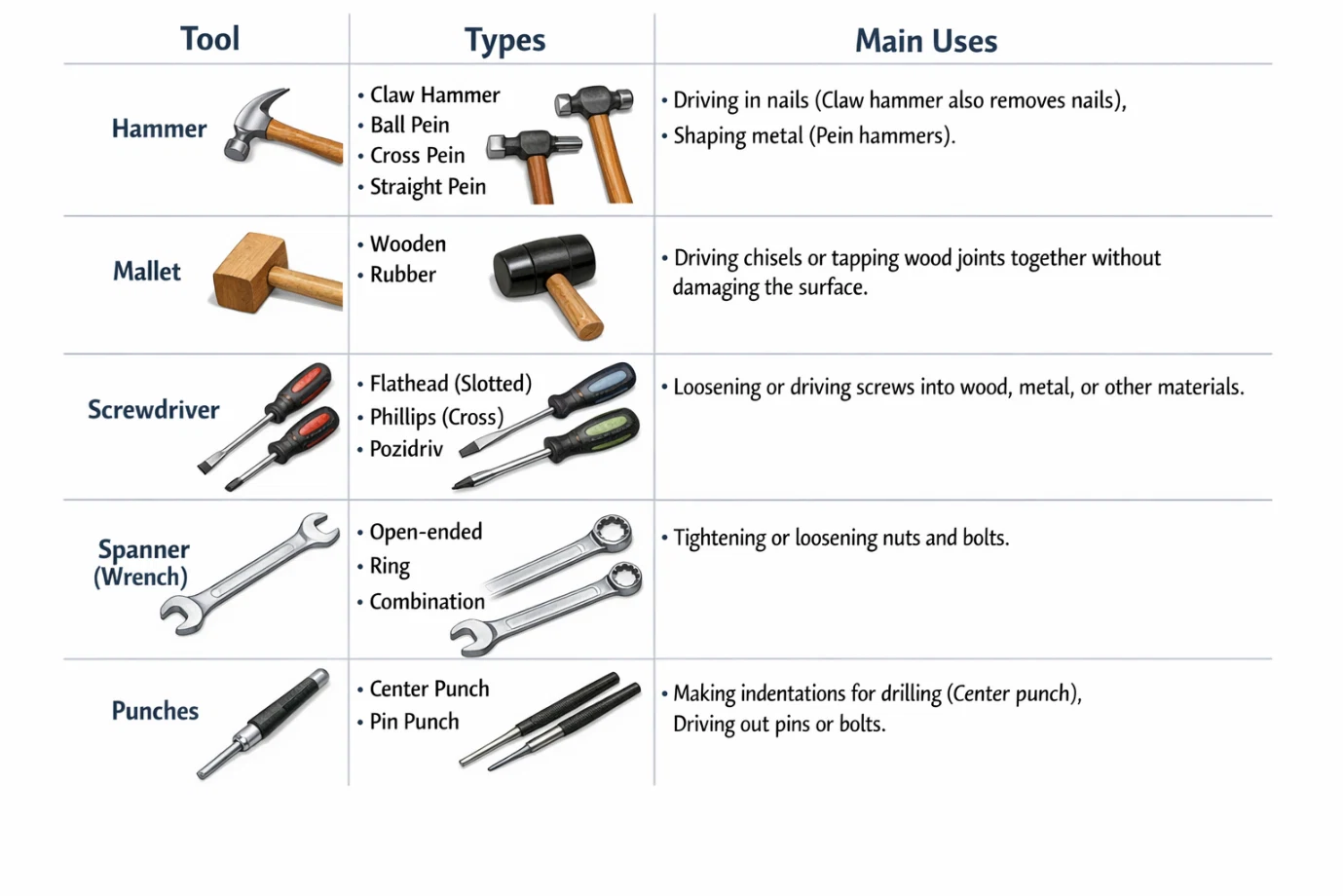
Figure 15: A set of different types of Driving Tools
Selecting Driving Tools
- Match screwdriver tip to screw head (Flat for slotted, Phillips for cross).
- Use a mallet for chisels and wood joints; use a hammer for nails.
- Choose the correct size spanner to avoid rounding off bolt heads (avoid using pliers as a spanner).
Caring for Driving Tools
- Clean: Wipe down handles and heads after use.
- Oil Metal Parts: Prevent rust on hammers and spanners.
- Check Handles: Ensure hammer/mallet heads are secure; replace cracked handles.
- Store Properly: Hang on a rack or keep in a dry toolbox.
Importance of Driving Tools
- Essential for construction, repairs, and furniture making.
- Makes assembly and disassembly fast and secure.
- Improves safety by providing the right tool for the job (prevents slips/injuries).
- Widely used in homes, workshops, and farms for self-reliance.