
Definition
Distribution is the process of making a product or service available for the consumer or business user who needs it. This can be done directly by the producer or indirectly through intermediaries.
Channels of Distribution
- Direct Channel: Producer → Consumer (e.g., Farmer selling vegetables directly at a market, E-commerce website).
- Indirect Channel (One Intermediary): Producer → Retailer → Consumer (e.g., Furniture maker sells to a furniture shop, which sells to customers).
- Indirect Channel (Two Intermediaries): Producer → Wholesaler → Retailer → Consumer (e.g., A milk processor sells to a wholesale depot, which sells to a local shop/kiosk, which sells to the customer).
Importance of Distribution
- Place Utility: Makes products available where consumers are.
- Time Utility: Makes products available when consumers need them (e.g., storage).
- Bridges Gap: Connects producers (often located in specific areas) with consumers (spread out over wide areas).
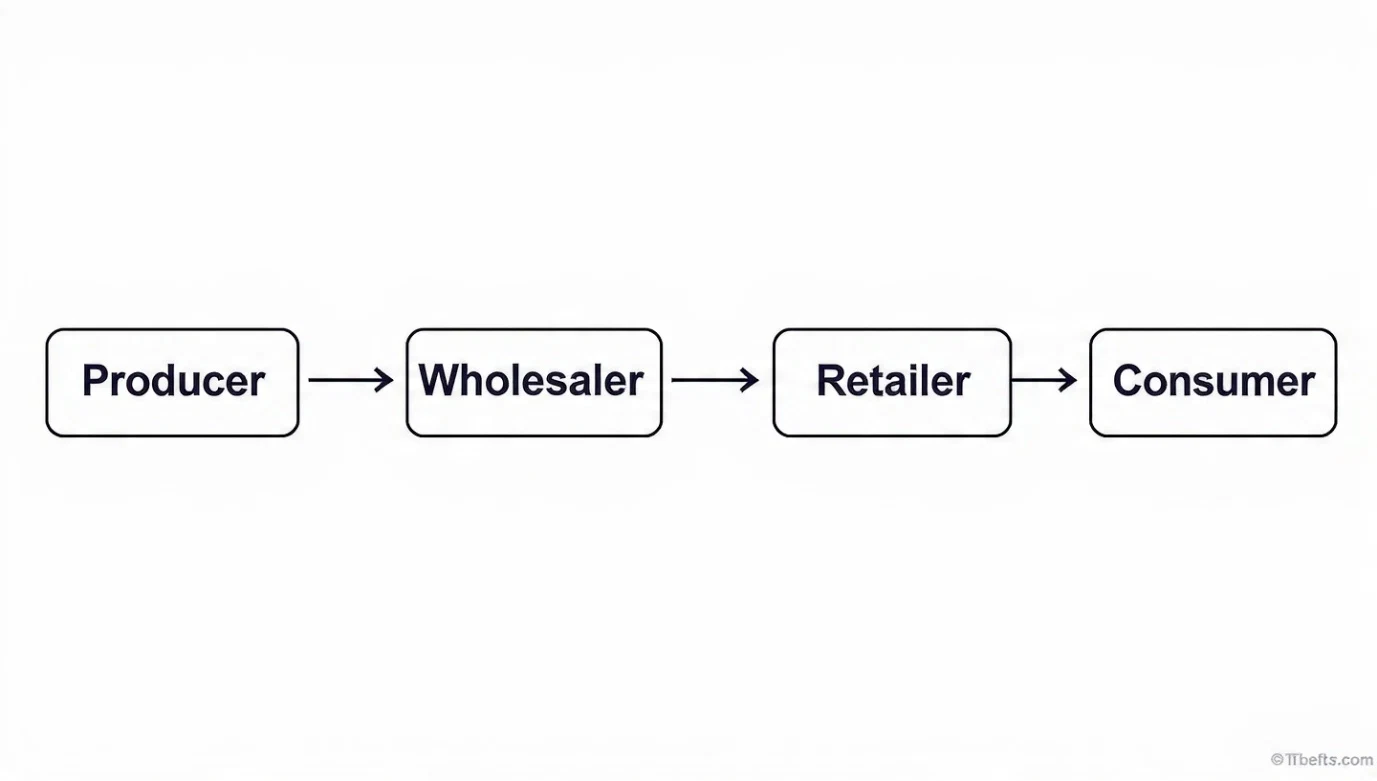
Figure 16: Diagram showing the flow from Producer to Wholesaler to Retailer to Consumer