
1. Meaning of Photography
Photography is the art and process of producing images by recording light using a camera or other image-capturing device.
Photography is used in communication, documentation, education, advertising, journalism, and artistic expression.
2. Meaning of a Photograph
A photograph is an image created by recording light from a subject using a camera or other suitable device.
3. Meaning of Viewpoint in Photography
A viewpoint is the position or angle from which a photographer takes a photograph.
Viewpoint affects how the subject appears in the image.
4. Types of Viewpoints in Photography
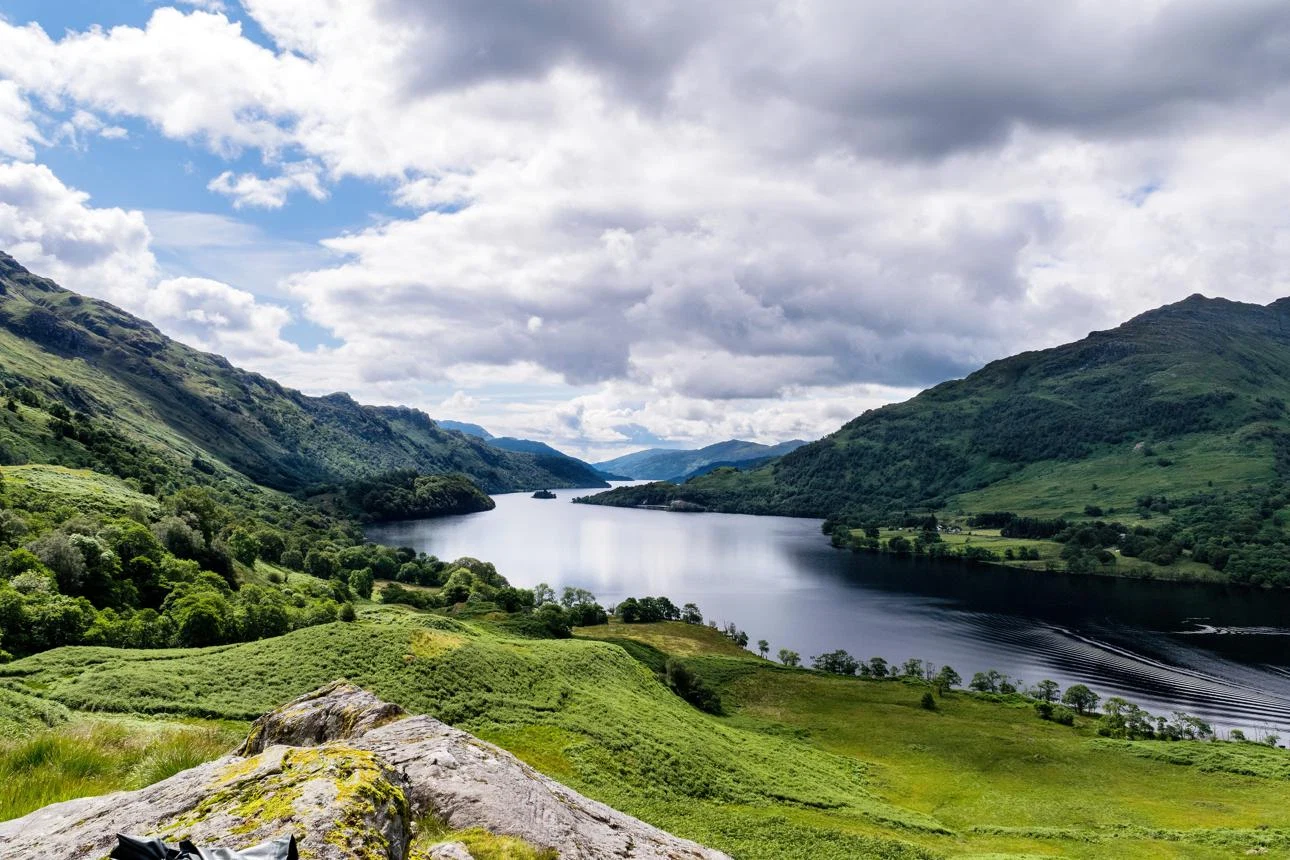
1. Eye-Level Viewpoint
The camera is positioned approximately at the viewer's or subject's eye level.
It often creates a natural and familiar appearance.

2. High-Angle Viewpoint
The camera is positioned above the subject and pointed downward.
It can show a wide area or make the subject appear smaller.
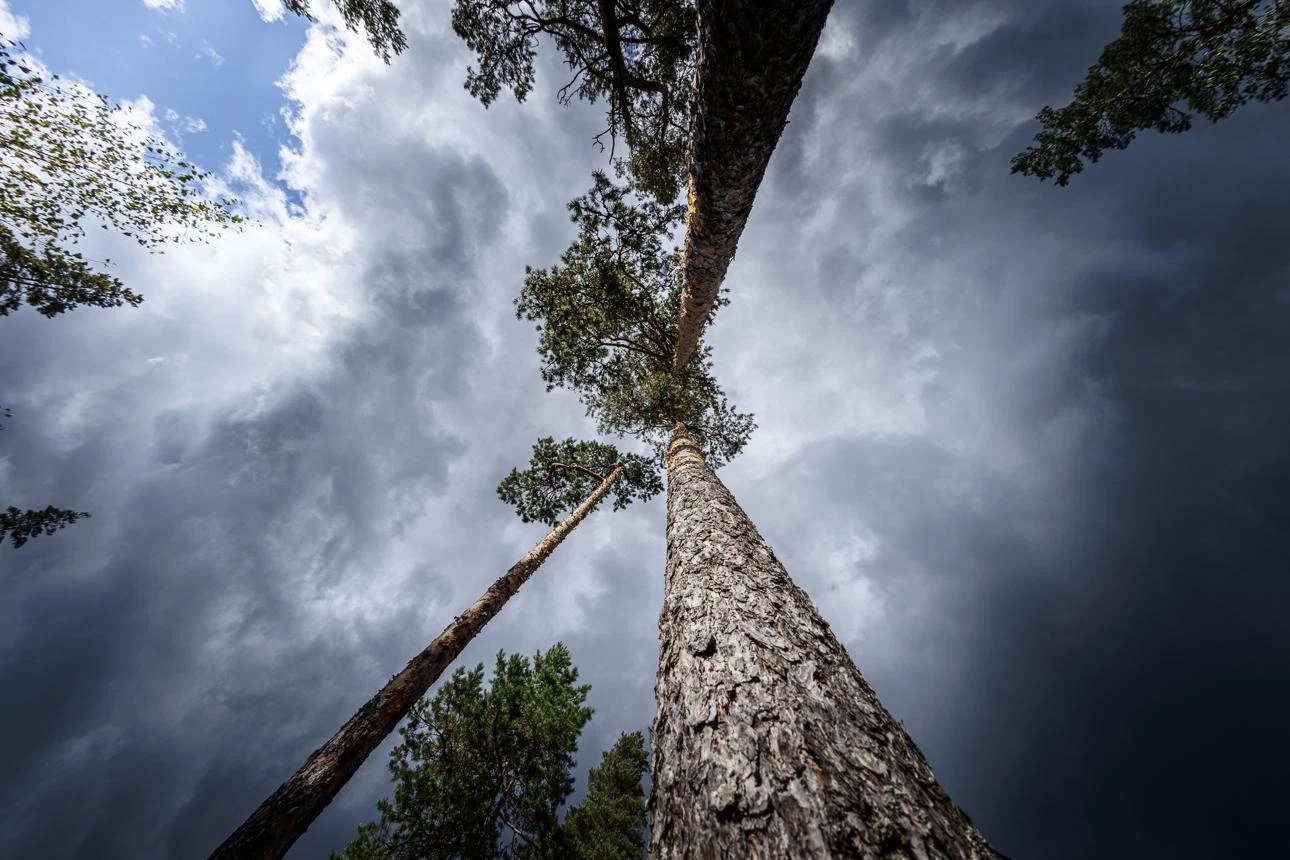
3. Low-Angle Viewpoint
The camera is placed below the subject and pointed upward.
It can make objects appear taller or more dominant.

4. Bird's-Eye Viewpoint
The photograph is taken from directly above or from a high position looking downward.
It reveals patterns, layout, and spatial arrangements.

5. Ground-Level Viewpoint
The camera is positioned very close to the ground.
It can emphasize foreground details and create unusual perspectives.
5. Meaning of Scenery Photography
Scenery photography is the process of taking photographs of natural or built environments.
Subjects may include:
- Rivers.
- Lakes.
- Mountains.
- Buildings.
- Forests.
- Roads.
- Farms.
- Sunsets.
6. Elements of Good Photography
A. Lighting: Suitable lighting helps the subject appear clear.
B. Focus: Important objects should appear sufficiently sharp.
C. Composition: Objects should be arranged effectively within the picture.
D. Viewpoint: The selected camera position should support the intended message.
E. Background: The background should support rather than distract from the subject.
F. Balance: Visual elements should be arranged in a pleasing way.
7. Procedure for Taking Scenery Photographs
- Select an appropriate location.
- Identify the subject.
- Observe the available lighting.
- Choose a viewpoint.
- Position the camera.
- Arrange the composition.
- Focus on the intended subject.
- Take the photograph.
- Review the image.
- Retake the photograph if necessary.
- Select the best photographs.
- Present the photographs for appreciation.
8. Importance of Viewpoints
- Create visual interest.
- Communicate different impressions.
- Reveal details.
- Improve composition.
- Allow creative expression.
- Help emphasize important subjects.
9. Presenting Photographs for Appreciation
Photographs may be presented through:
- Printed displays.
- Class exhibitions.
- Digital slideshows.
- Photo albums.
- Classroom noticeboards.
10. Factors to Consider When Appreciating Photographs
- Clarity.
- Lighting.
- Composition.
- Viewpoint.
- Creativity.
- Subject matter.
- Color.
- Message communicated.
11. Safety and Ethics in Photography
- Ask permission before photographing people where appropriate.
- Respect privacy.
- Avoid dangerous locations.
- Do not trespass on private property.
- Handle cameras carefully.
- Avoid misleading alteration of documentary photographs.
- Respect the work of other photographers.
Revision Questions
- Define photography.
- Explain the meaning of viewpoint.
- Identify five photographic viewpoints.
- Differentiate between high-angle and low-angle viewpoints.
- Explain six elements of good photography.
- Describe how to take a scenery photograph.
- Explain five ways photographs can be presented.
- State six ethical practices in photography.